Latin American Presidents Struggle for Approval as Public Demands Real Change
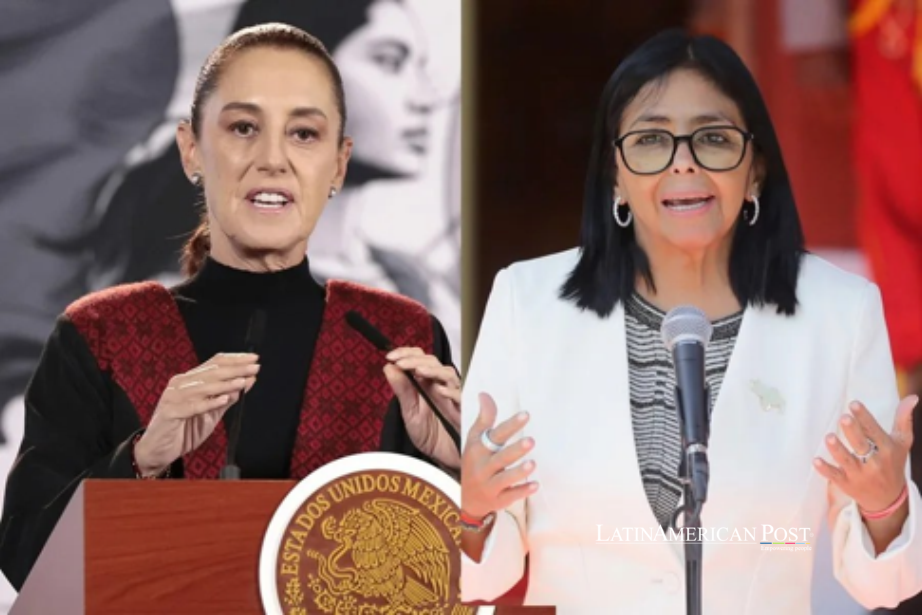
Claudia Sheinbaum and Nayib Bukele dominate a new Latin American presidential ranking, but the deeper story lies below them. Widespread unfavorable ratings suggest fragile political capital, impatient electorates, and a persistent gap between winning power and making government feel useful.
Two Leaders Above the Crowd
A president appears at a morning news conference. Another speaks through social media. For citizens waiting for safer streets or relief from household bills, those appearances can signal attention. Whether that attention becomes dependable public services is a harder question.
Mexico’s Claudia Sheinbaum and El Salvador’s Nayib Bukele lead CB Global Data’s October survey with favorable ratings of 69.3% and 68.3%, respectively. Respondents assessed their own national leader. These figures measure domestic sentiment, not a regional preference for Mexico’s president over El Salvador’s.
Their separation matters far less than their distance from everyone else. Bukele leads third-place Luis Abinader, of the Dominican Republic, by 16.4 percentage points. Only four of the 18 leaders exceed 50% favorability. Twelve face negative ratings above 50%.
The median reported favorable rating is 43.5%. That describes the middle of this presidential field, giving each country equal standing. It does not mean that 43.5% of Latin Americans approve of their governments. Brazil and Uruguay have very different population sizes.
CB interviewed between 1,959 and 3,911 adults per country from October 5 through 8, reporting margins of error from 1.6 to 2.2 percentage points at 95% confidence. Those margins do not clearly separate the leading pair. Sheinbaum’s 0.3-point rise from September likewise offers little evidence of improvement.
The defensible headline is sustained strength at the top, alongside widespread dissatisfaction below.
The Honeymoon Meets the Street
CB director Cristian Buttié told EFE that Sheinbaum and Bukele govern through opposing models but share a political advantage: they address their societies’ top priorities, communicate constantly, and project a present government.
That is an interpretation of their success, not a causal finding established by the ranking. Still, it identifies something important about Latin American expectations. An administration can be ideologically familiar yet feel distant when everyday problems remain unresolved.
For households with little financial room, the distinction between national progress and personal improvement can be unforgiving. Slower inflation does not reverse earlier price increases. A security announcement does not necessarily make the journey home safer. Presidents receive the judgment even when implementation depends on institutions they cannot transform overnight.
Peru’s Keiko Fujimori illustrates how quickly that judgment arrives. Her favorable rating fell from 52.4% in September to 46.3%, a 6.1-point decline. After taking office in July, she already faces more negative than positive assessments, with unfavorable opinion at 50.8%.
Buttié attributes her decline to rising concern about crime and inadequate government responses. The survey does not isolate those causes from competing explanations. Nevertheless, crossing from a favorable majority to a negative majority in a single month marks a substantial political deterioration.
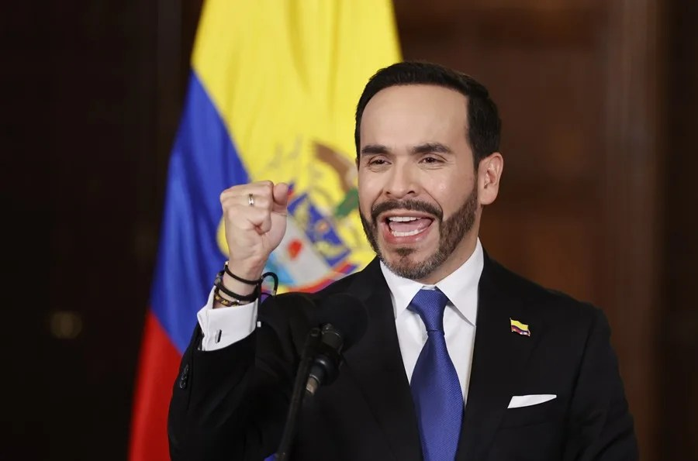
Chile’s José Antonio Kast, in office since March, stands at 38.8% favorable against 56.8% unfavorable. Colombia’s Abelardo de la Espriella, inaugurated in August, has 49.7% favorable and 47% unfavorable. Their different positions caution against declaring every new administration equally damaged.
They share exposure to expectations that campaigning raises faster than governing can satisfy. Recruiting investigators, coordinating prosecutors, and repairing public services require administrative capacity. Announcing resolve is quicker. A government that wins attention must eventually demonstrate what that attention has delivered.
The ideological pattern also resists an easy regional slogan. Argentina’s Javier Milei has 36.1% favorability, while Brazil’s Luiz Inácio Lula da Silva has 45.3%. Poor ratings reach across political camps. This snapshot provides stronger evidence of difficulties maintaining public support than of a uniform regional turn toward either left or right.

What the Ranking Cannot Promise
Rankings can flatter governments whose actual position is precarious. Ecuador’s Daniel Noboa places sixth, yet his 47.5% favorable rating barely exceeds his 46.9% unfavorable score. A respectable place in this field can describe a divided country rather than broad consent.
At the bottom, Guatemala’s Bernardo Arévalo has 31% favorable against 63.1% unfavorable. Venezuela’s Delcy Rodríguez records 32.3% favorable and 60.9% unfavorable. Such gaps indicate severe reputational weakness within these samples. They do not identify the same causes or show that the two governments face equivalent institutional circumstances.
Nor does favorability forecast the outcome. Lula’s 45.3%, down 3.2 points, does not translate into his share of Sunday’s runoff vote. The adults surveyed are not necessarily the ones who will vote, and dissatisfied citizens may still prefer an incumbent to his opponent. The interviewing also ended more than two weeks before election day.
Method matters across borders. Online surveys depend on who can be reached and who agrees to participate. Demographic quotas cannot automatically correct every difference between respondents and the citizens they represent. Reported error margins also cannot capture every influence of question wording, nonresponse, or reluctance to criticize power.
The practical political danger is mistaking visibility for durable legitimacy. Leaders can personalize achievements through daily broadcasts or tightly controlled online messages. They also concentrate blame when promises fail to reach households.
For citizens, the lasting test arrives after the speech ends: whether the clinic functions, the paycheck stretches, and the street feels safer. These ratings suggest that, across much of the region, presidents still have considerable work to do before their claims of progress become convincing everyday experience.