Argentina Imports Trump’s Terror Playbook and Latin America Feels It
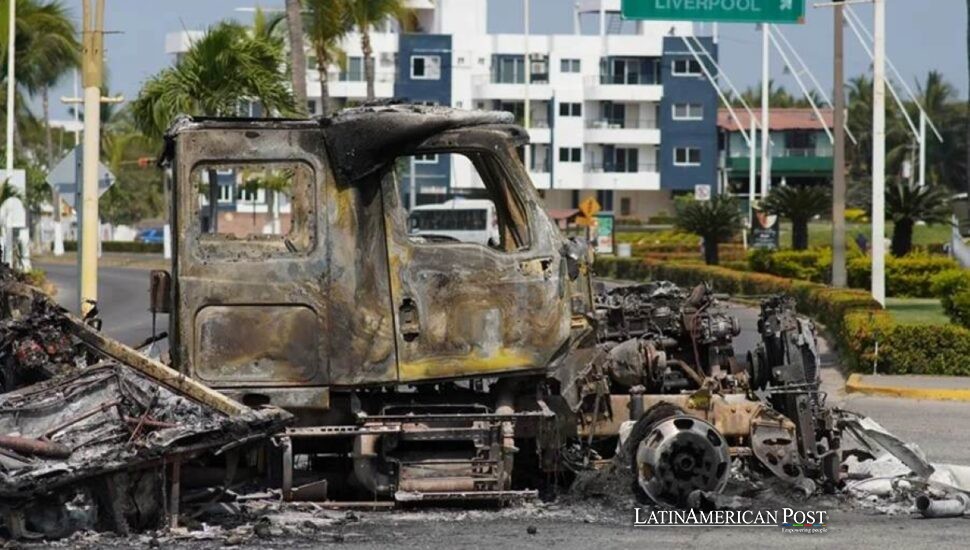
Argentina’s decision to label Mexico’s Jalisco cartel as a terrorist group extends beyond one criminal network. It signals a regional shift toward militarized security, closer ties with Washington, and a risky blurring of crime, war, and sovereignty.
When Crime Is Rewritten as War
Argentina’s decision to label the Jalisco New Generation Cartel a “terrorist organisation” may seem symbolic, targeting a foreign criminal group. In fact, it signals a broader, troubling shift in Latin America. The region’s security language is evolving rapidly, stretching a term once reserved for political violence to include criminal violence, potentially reshaping law, diplomacy, and military action across the hemisphere.
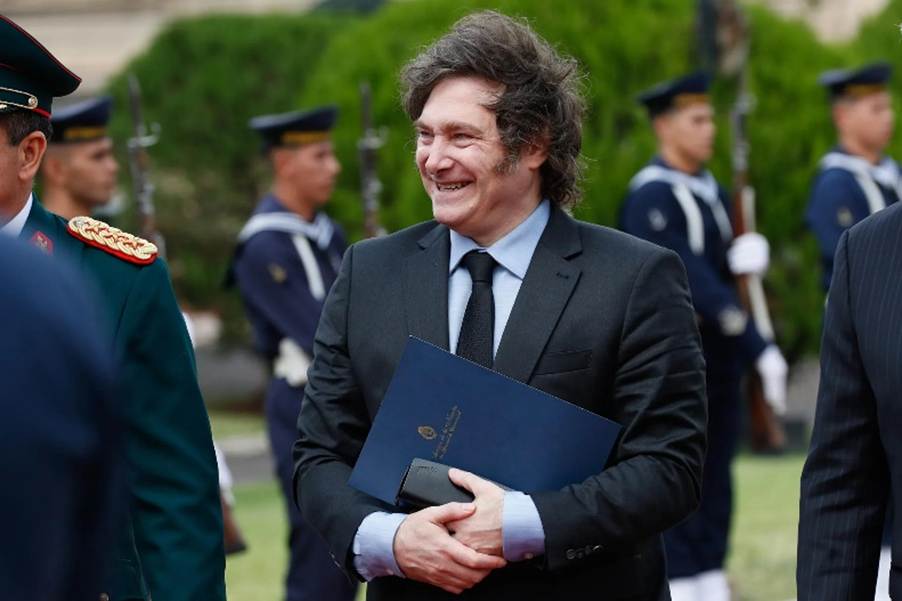
The announcement came from President Javier Milei’s office, reflecting his well-known ideological alignment with Donald Trump and a government increasingly mirroring Washington’s approach. Officially, reports confirmed transnational illicit activities and links to other terrorist groups. Politically, Argentina aimed to align with countries that had made the same designation, primarily the United States. Until now, only the U.S. and Canada had done so. Argentina is the first Latin American country to adopt this label.
This matters because security policy language is never neutral. Labeling a cartel “terrorist” does more than condemn brutality; it changes the legal and moral framework for understanding violence. Cartels shift from criminal actors to wartime enemies, allowing military logic to take precedence.
Argentina’s move signals a deeper shift for Latin America. It is not just about Mexico or the CJNG but the emergence of a doctrine treating organized crime as a battlefield issue rather than a criminal justice matter. In a region with fragile institutions, abusive security forces, and a history of conflating force with control, this is a significant change.
Trump openly advanced this shift. His administration expanded the “terrorist” label beyond groups like al-Qaeda and ISIL to justify lethal actions against Latin American criminal groups. In the Caribbean Sea and the eastern Pacific Ocean, Trump authorized dozens of air strikes on vessels, killing about 163 people. He attacked a Venezuelan port and launched a military operation that led to Nicolás Maduro’s abduction and imprisonment. These actions were framed as efforts to disrupt drug smuggling but were described by legal experts as extrajudicial killings and sovereignty violations.
That is the context in which Argentina’s decision must be read. It is not a standalone classification. It is an entry point into a broader hemispheric security project.
The Washington Consensus of Force
For decades, Latin America has experienced various Washington consensuses on markets, privatization, and anti-communism. Now, a new consensus of force is emerging, driven by Trump’s hardline security stance and echoed by ideologically aligned regional governments.
At the “Shield of the Americas” summit in South Florida, Trump explicitly urged right-wing Latin American leaders to prioritize military action over law enforcement against cartels, calling them a “cancer” and insisting on military involvement. Milei attended. Argentina’s designation of the Jalisco cartel soon after aligns closely with this doctrine.
This matters because Latin America has heard similar promises before. Militarization is presented as urgent, wrapped in calls for strength, order, and national survival. It appeals to populations tired of extortion, trafficking, and impunity. Yet history shows that when armed forces address social and criminal crises, the results are rarely clean, often harming civilians, due process, and democratic accountability.
The “terrorist” label heightens this risk by simplifying already violent security environments. If a cartel is equated with groups like Hamas or Iran’s Quds Force, as Milei’s office suggested, pressure increases to use exceptional methods. Detention, surveillance, intelligence sharing, targeted killings, cross-border actions, and relaxed engagement rules become easier to justify politically. What was once a prosecutorial issue becomes a military one.
This is especially risky for Latin America, where sovereignty has often been unevenly respected. Trump’s actions across borders, justified by anti-cartel and anti-smuggling goals, should alarm governments beyond Argentina. While leaders aligned with Washington currently support this doctrine, it may be used in ways that are beyond their control in the future.
There is a deeper irony. Latin American states are often weakest where cartels are strongest—in policing, courts, prisons, financial tracking, local governance, and social investment. Rebranding cartels as terrorists may appear serious, but it leaves these weaknesses unaddressed. A military approach can be emotionally appealing and politically useful because it avoids tackling the slow institutional decay behind organized crime, offering only the promise of punishment.
What Argentina Is Really Signaling to the Region
Argentina’s move also reveals the political economy of alignment. Milei’s relationship with Trump is strategic and transactional, not just ideological. Trump supported Milei by promoting Argentine beef imports and offering a currency swap to strengthen the peso. The notes highlight that this economic support coincided with Argentina’s midterm election and that Trump linked continued backing to the election outcome. Security alignment is thus unfolding alongside economic incentives.
That is another warning for Latin America. Under this emerging order, support. This is another warning for Latin America. Under this emerging order, Washington’s support may increasingly carry expectations beyond trade and diplomacy, including security posture and political language. Designating a cartel as terrorist is thus not just adopting a label but signaling geopolitical loyalty. The New Generation Cartel is one of the most prominent criminal organisations in Mexico, with connections estimated in Guatemala, Colombia, and the United States. Once one Latin American country accepts the terrorism frame, others may follow, especially those governed by leaders eager to display toughness or closeness to Washington. The result could be a continent more willing to describe criminal violence in war terms and more willing to tolerate foreign-backed military solutions.
This would mark a serious break with traditional views of democracy and law in the region. Latin America has the right to confront cartels effectively; no honest politician denies their destruction. But the question is how. If the answer is an elastic terrorism doctrine imported from Washington and adapted by local strongmen, the region may face more soldiers on the streets, expanded executive power, increased cross-border pressure, and fewer protections against abuse.
Argentina’s designation of the Jalisco cartel is not a narrow security measure but a political signal. It shows that an influential regional government is willing to blur the lines between organized crime and terrorism, policing and war, alignment and dependence. Latin America should pay close attention. Once states adopt this language, they rarely use it only once.
Also Read: Argentine Mothers’ Memory March Faces Power Age and Official Amnesia Again