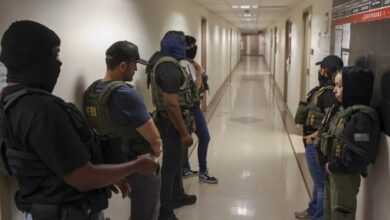
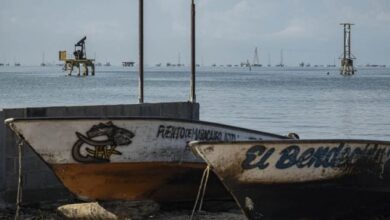
Ecuador’s Port War Meets U.S. Muscle in a New Phase
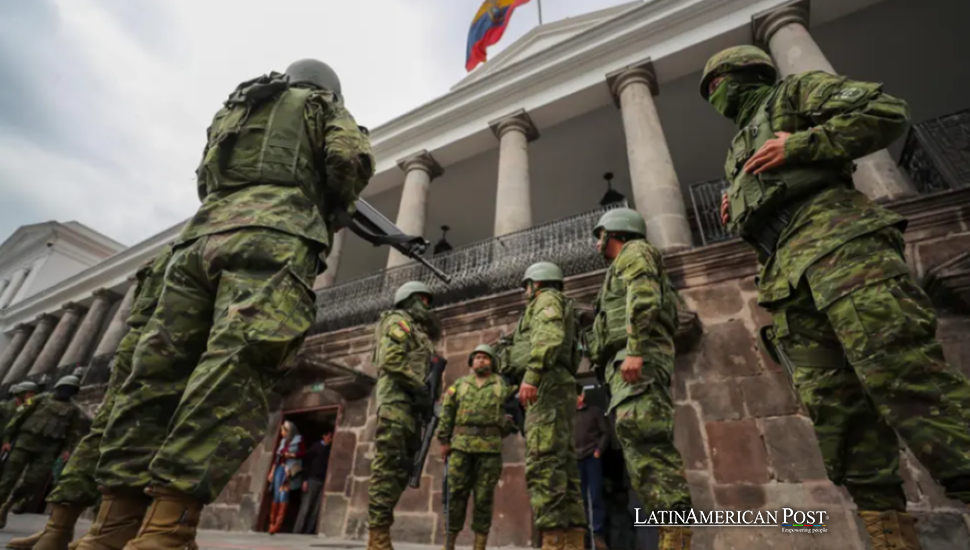
Ecuador says it is starting a new phase in its fight against drug cartels, now involving U.S. forces. A statement from Southern Command and a meeting in Quito suggest closer cooperation, despite recent voter rejection of foreign bases.
A Screen Message Signals a Shared Fight
The message was brief enough to fit on a phone screen. On Tuesday, the U.S. military’s Southern Command announced that Ecuadorian and U.S. forces had started operations against groups labeled as terrorist organizations in Ecuador, targeting illegal drug trafficking. No further details were given beyond a short statement on X.
The day before, President Daniel Noboa described this as a turning point. He said the U.S. was one of the “regional allies” joining a “new phase” in Ecuador’s fight against the cartels. The hope is that Ecuador can be more effective by working more closely with Washington. The challenge is that this is happening soon after a referendum that still weighs on the country’s mind.
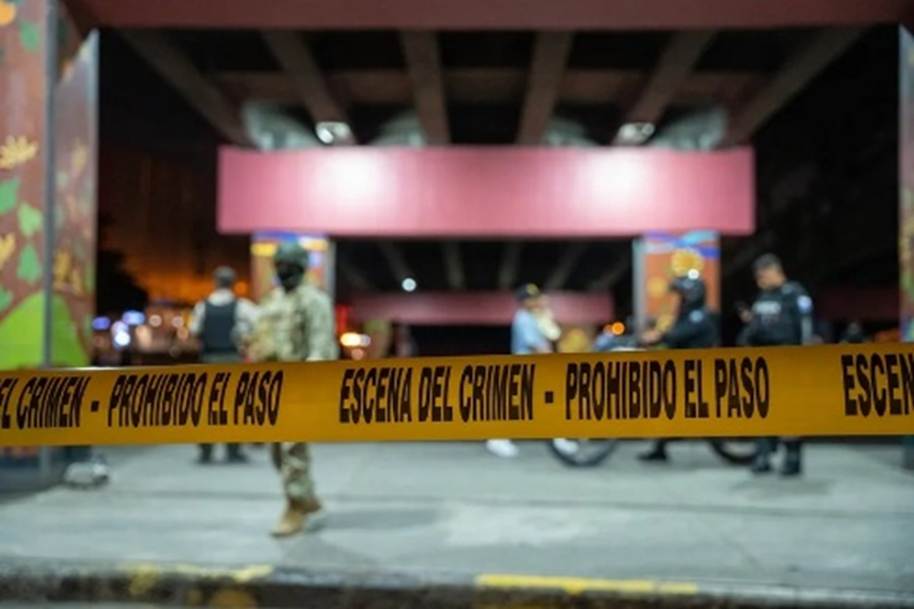
Four months ago, Ecuadoreans voted against allowing the return of foreign military bases. It undercut U.S. hopes to expand its presence in the eastern Pacific region and dealt a political blow to Noboa, a close ally of U.S. President Donald Trump. Yet Ecuador’s security crisis has not paused. In recent years, it has become one of the world’s biggest drug trafficking hotspots, with organized crime and soaring violence forcing constant improvisation.
Inside Quito, Coordination Becomes the Policy
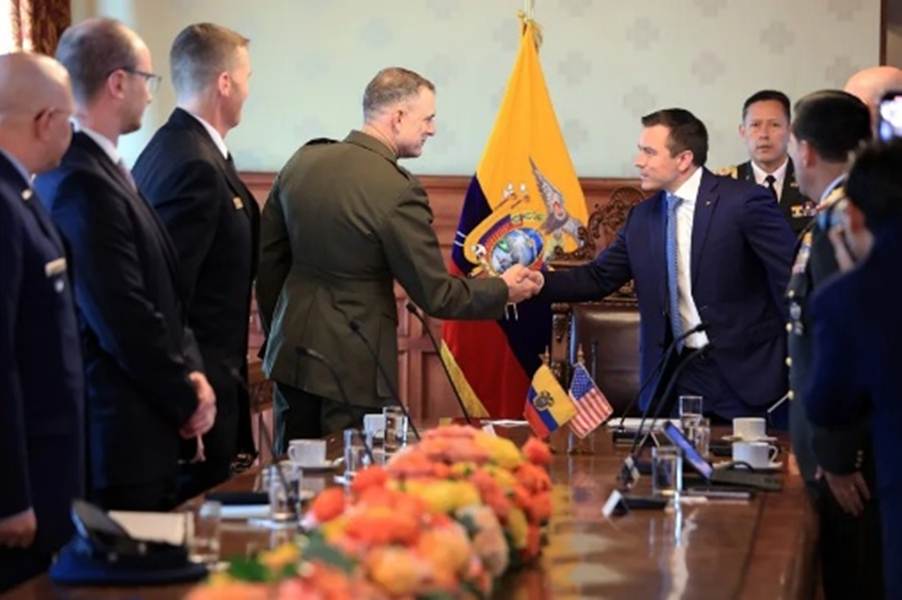
On Monday in Quito, Noboa met with Francis Donovan, head of U.S. Southern Command, and Mark Schafer, leader of U.S. Special Operations in Central and South America and the Caribbean. Noboa’s office said they talked about sharing information and coordinating operations at airports and seaports. These are the points where a country connects with the outside world, where cargo is checked, and travelers wait, turning policy changes into everyday practice.
Noboa has explained why Ecuador feels trapped. He says about seventy percent of the world’s cocaine now passes through Ecuador’s large ports, making them a profitable route for drug gangs. Ecuador also shares borders with Colombia and Peru, the world’s top cocaine producers. This geography gives traffickers many options but leaves governments with fewer.
Southern Command’s statement showed how Washington wants to frame the partnership. “Together, we are taking decisive action to confront narco-terrorists who have long inflicted terror, violence, and corruption on citizens throughout the hemisphere,” the command said on Tuesday. This language expands Ecuador’s conflict into a regional issue, making U.S. interests and Ecuador’s struggle seem like a shared mission.
Three months ago, Washington announced a temporary deployment of Air Force personnel to the old U.S. base in the port city of Manta. The word ‘temporary’ can help ease cooperation without reopening the debate Ecuadorians thought was settled when they voted against foreign bases.
The Future Looks Like Ports, Strikes, and Spillover
For the U.S., tackling drug trafficking in the region is a key priority, and the tempo has sharpened under Trump. Since September, the administration has carried out more than forty lethal strikes on alleged drug boats in the Caribbean Sea and Pacific Ocean. Those strikes are not Ecuador’s decision, but they are the backdrop for what joint operations can become when one partner holds a chokepoint, and the other has reach.
In January, the U.S. seized Venezuela’s then president, Nicolás Maduro, accusing him of “narco-terrorism” and enabling the transport of “thousands of tonnes” of cocaine to the U.S. The episode showed how quickly a trafficking story can become a political one, and how blunt Washington is willing to be.
Last month, Trump met Colombian President Gustavo Petro at the White House after months of growing tensions. Trump has often accused Petro and his government of not stopping the flow of drugs to the U.S., and he has hinted that strikes might expand to target Colombia. Ecuador is caught up in this dispute, and the two largest cocaine-producing countries, which means it also faces the spillover effects.
This new phase is about more than just raids and coordination. Ecuador is trying to balance deeper U.S. cooperation without fully allowing foreign bases again, and a security plan that reduces violence without making the country a staging ground, which it recently rejected. If Noboa is right that much of the world’s cocaine passes through Ecuador’s ports, then the current test is about partnership, speed, and pressure at these entry points. The big question is whether these gates will become safer or just more central to others’ conflicts.
Ecuador is learning that geography collects rent, and it does not accept delays. The new phase will be judged where coordination becomes visible: at airports, at seaports, and whether violence finally stops climbing.
Also Read: Chile’s La Moneda Reopens as Presidential Home After Six Decades as Kast Moves In