Honduras Street Truce Dreams When Gangs, Police, and Fear Collide
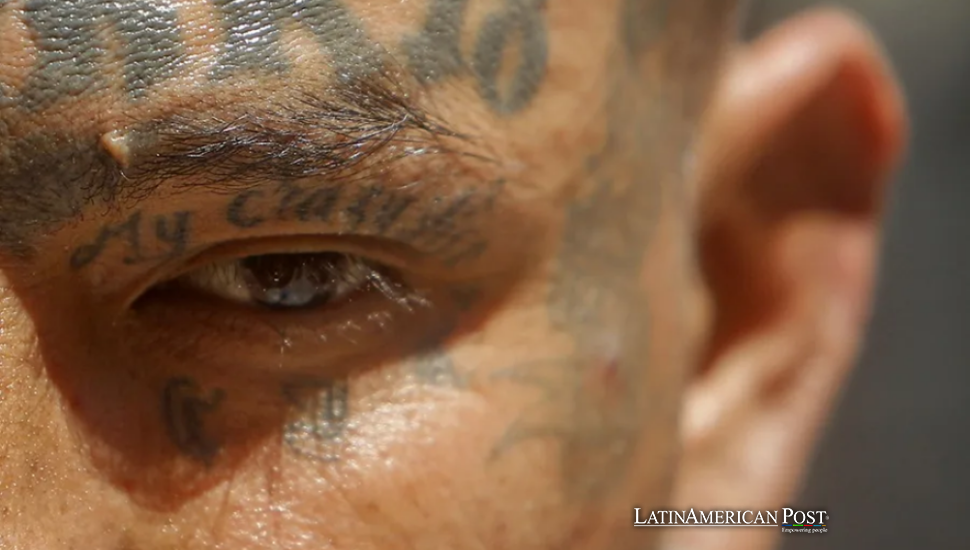
In San Pedro Sula, Honduras, the small barrio of Casa Blanca struggled to keep MS-13 and 18th Street out using faith, force, and resilience. Azam Ahmed of The New York Times followed those who faced a grim decision: flee, fight, or risk death. Their struggle illustrates the tense reality gripping much of the city.
Where Four Blocks Become a Front Line
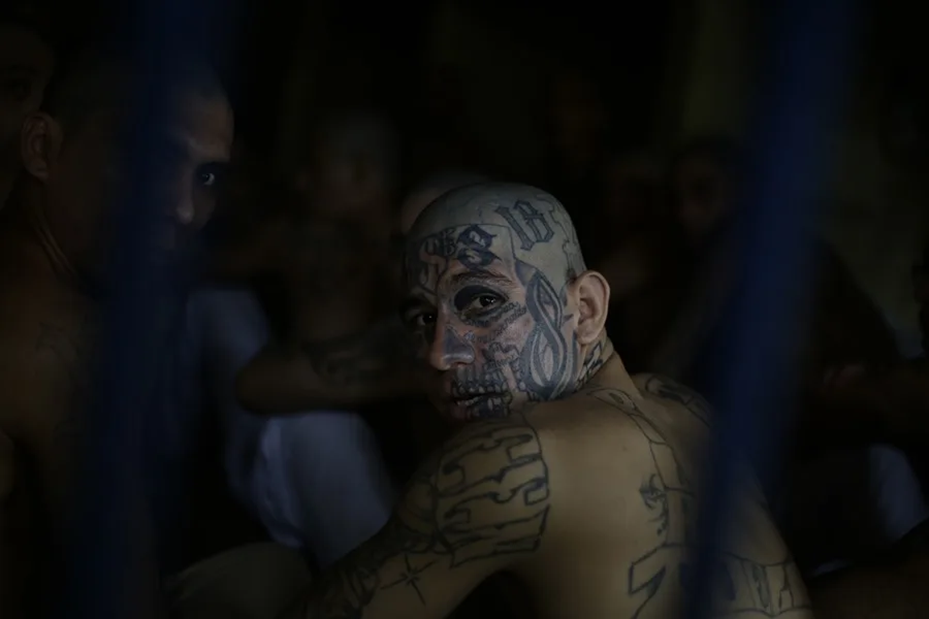
Six gunshots—three, then three—emptied a bustling street. A mother rushed her barefoot child inside. An MS-13 gunman, standing on the corner, tucked his pistol away and let fear control the street.
Bryan, 19, Reinaldo, 22, and Franklin ran into a neighbor’s dirt yard, whispering about the shooting—the third in less than a week. Their barrio was ringed by borders no official drew: MS-13 to one side, 18th Street to another, more gangs beyond. “The borders surround us like a noose,” Bryan said. “We don’t want the gangs here, and for that, we live in constant conflict.”
From the outside, Casa Blanca looked ordinary—concrete homes worn by age, tortillas sold from handcarts, workers waiting for buses at sunrise. Inside, the choices were brutal. The young men had once belonged to 18th Street, but later turned against the extortion and robbery aimed at their own neighbors. They pushed the gang out and swore no one would return. Now they were hunted by former comrades and targeted by MS-13 for territory. “Lots of people ask me why we’re fighting for this little plot of land,” Reinaldo said. “I tell them I’m not fighting for this territory. I’m fighting for my life.”
The Math of Impunity
From 2018 through early 2019, Azam Ahmed followed Casa Blanca in Rivera Hernandez, San Pedro Sula, one of the world’s deadliest cities. The region’s wars ended; the funerals didn’t. The Igarapé Institute estimates that since the turn of this century, more than 2.5 million people have been killed in Latin America and the Caribbean’s homicide crisis. The region holds about 8 percent of the global population but roughly 38 percent of the world’s murders.
Beneath the scale sits a quieter engine: in some countries, more than 95 percent of homicides go unsolved. This lack of justice has wider effects. Scholars writing in the Journal of Latin American Studies and Latin American Research Review have examined how that vacuum turns armed groups into de facto local authorities, shaping daily life block by block.
For migrants fleeing violence in Central America, the United States is both cause and solution. President Donald Trump vowed to cut aid, threatening to slash hundreds of millions of dollars intended to address root causes.
A Pastor Between Guns
Into that vacuum stepped Daniel Pacheco, known as Pastor Danny, a part-time evangelical minister who preached outdoors and worked construction. After the shooting, he hurried to the young men and said, “I’m not for any gang. I’m for life.” His urgency came after 2014, when a 13-year-old girl was kidnapped for unpaid extortion, raped, tortured for three days, then killed and buried beneath a clay floor. “I promised myself then,” he said. “I was going to do something.”
Doing something meant talking with killers. When armed men raided Fanny’s home—a single mother who sheltered the boys—she warned him, “Next time, they will kill me, I know it.” He drove into MS-13 territory to find Samuel. “This is the last card I have to play,” he said. He begged for restraint. “We already own that territory,” Samuel replied, as if stating a fact of nature.
A warning soon arrived. One January morning, mutilated bodies in trash bags were left on the border with 18th Street. Weeks later, Reinaldo disappeared and never returned. In March, a boy in Casa Blanca was hurt in a shootout, and shots were fired at Fanny as she walked her son home. The pastor’s hope turned to anger: “Everything that ends here on the streets starts with government corruption. They don’t care.”
Through Ahmed’s reporting for The New York Times, Casa Blanca emerges as a portrait of survival getting privatized in Honduras—four blocks held together by exhausted young men and a pastor betting his life on words. In Casa Blanca, hope isn’t optimism. It’s a tactic.
Also Read: Argentina’s Hidden Eight-Millennium Lineage Shows Culture Can Multiply Without Migration