Latin America Confronts Deadly Boat Strikes Amid Accountability Crisis
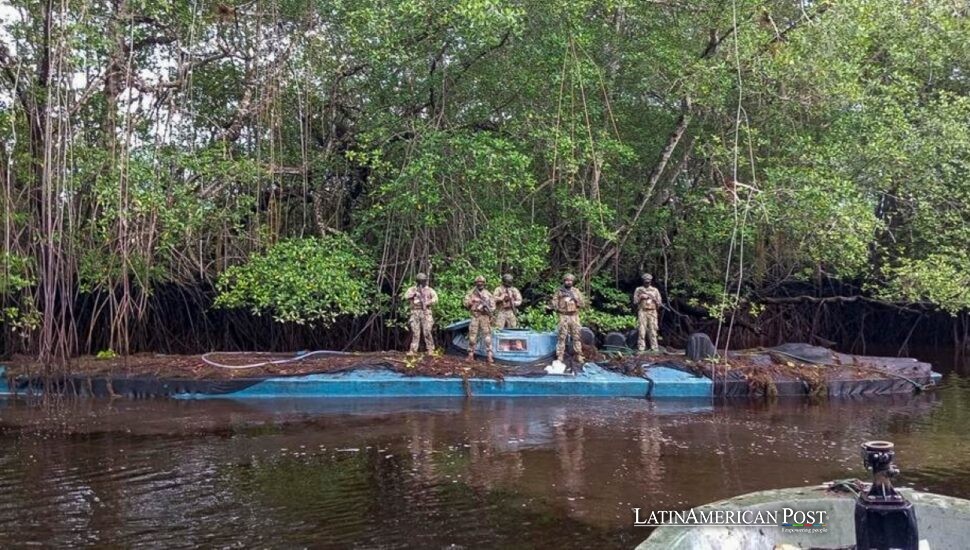
A little-known campaign of US boat strikes has left families grieving, victims unnamed, and legal questions unresolved across Latin America. Rights advocates now hope an Inter-American hearing will reveal how anti-drug operations have escalated into a far darker reality.
The Dead Remain Unnamed
The primary scandal is not only that people were killed but that their deaths were swiftly silenced.e.
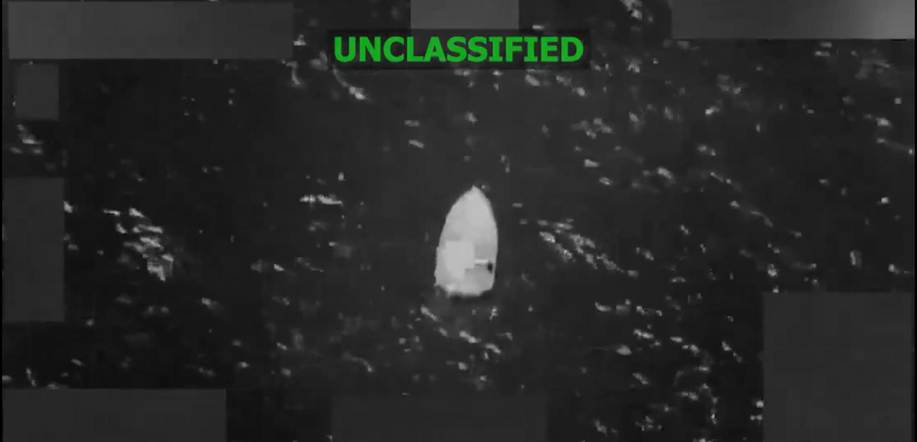
In September, the United States began launching dozens of deadly military strikes against alleged drug-smuggling boats in the Caribbean Sea and eastern Pacific. Nearly half a year later, very little is publicly known about the nearly 157 people reported killed. Their identities have not been released. The evidence against them has not been made public. In the official frame, they appear mostly as numbers, targets, and suspicions. In human terms, they are fathers, workers, fishermen, travellers, men whose names still have not been formally returned to them.
This absence is significant. In Latin America, it is well understood that when a state, or a powerful external state, reduces the deceased to anonymity, it reopens a historical wound. When names vanish, so do stories, allowing authorities to label the bodies as smugglers, terrorists, combatants, or threats. The deceased cannot contest these characterizations.
This context highlights why the upcoming hearing before the Inter-American Commission on Human Rights is important. For rights advocates and legal experts, it is more than a routine meeting; it is the first significant attempt to investigate a campaign carried out in secrecy since September 2. Steven Watt from the American Civil Liberties Union’s human rights program said the goal is to begin a fact-finding investigation, determine whether there is armed conflict, and require the Trump administration to explain its legal grounds for the strikes. “We don’t think there are any,” he said.
That bluntness is telling. It suggests that the debate has moved beyond policy disagreement and into something more elemental. The question is whether a state can claim war powers over suspected drug trafficking routes without proving who was on those boats, what they had done, or why death was the lawful answer.
Several families have already begun filling the vacuum left by the US. Relatives have identified some of the dead as loved ones. Chad Joseph and Rishi Samaroo, according to family members, were sailing home to Trinidad and Tobago when they were killed. A complaint against the US says both men travelled often between the islands and Venezuela, where one worked as a farmer and fisherman, and the other laboured on a farm. The family of Alejandro Carranza has also said he was killed when the US military attacked his fishing boat off Colombia’s coast. These are not faceless fragments of intelligence. They are people emerging slowly from the fog of power that surrounded them.
When the Drug War Becomes a War Without Trial
The Trump administration has characterized the strikes as components of a broader military campaign against so-called narco-terrorists. In contrast, rights groups describe these actions as extrajudicial killings. This disagreement is substantive, reflecting fundamental differences regarding the United States’ efforts to normalize such practices in Latin America. The administration has increasingly portrayed the Latin American drug trade as an existential threat, adopting terminology from the global war on terror and applying it to cartels and trafficking networks. Stephen Miller stated that there is no “criminal justice solution” to drug cartels and that the US will employ “hard power, military power, lethal force” throughout the Western Hemisphere if necessary. This statement is extraordinary, both in scope and implication, suggesting that mere criminal suspicion may now justify military action far from US territory. hores.
Legal experts speaking before the commission have strongly challenged the administration’s points. Angelo Guisado from the Center for Constitutional Rights argued that the administration has not given enough evidence to show the targeted boats were part of a planned attempt to threaten the United States. He added that most boats were reported to be carrying cocaine, not fentanyl, which causes most US drug overdoses. He suggested that using national security language may be a distraction, as claims of national security can reduce public scrutiny and lead to exceptions to normal laws.
That is precisely the regional danger here. Latin America has lived through too many periods when security language became a shortcut around the law. Once that door opens, categories blur fast. Fishermen become suspects. Suspects become enemies. Enemies become people who can be killed without trial, without public evidence, and without even a confirmed identity afterward.
Watt asks the commission to make a clear distinction between crimes related to drugs and acts of armed conflict. He also argues that even if there were an armed conflict—which he says there is not—the actions described would still break the laws of war. This is a serious accusation because the administration’s justification seems to stretch the boundaries of what counts as a threat, military authority, and what the law allows.
A Hearing Against Forgetting
The Inter-American Commission cannot by itself undo the killings. It cannot guarantee justice. The United States has often brushed off international scrutiny, is not a party to the International Criminal Court, and has not ratified the American Convention on Human Rights. Those facts hang over the hearing like a warning.
Nevertheless, the commission’s significance extends beyond immediate outcomes. Based in Guatemala City, it holds a regional mandate and serves as a repository of moral memory. It has investigated disappearances, massacres, detentions, and abuses previously obscured by official denial. Its inquiries have included Guantanamo, Iguala, and the Massacre of Trujillo. Recently, the Inter-American Court ordered Peru to pay reparations related to forced sterilization. Although these institutions operate slowly, they maintain records that, in the Americas, often constitute the initial form of resistance against erasure.
This underscores the importance of the hearing, even if it results in only partial transparency. The Carranza family has filed a complaint with the commission, while the families of Joseph and Samaroo have initiated legal action in Massachusetts. Although legal proceedings are underway, they all originate from the same fundamental void: the United States acknowledges the number of casualties, but others continue to seek the identities of those affected.
Watt stated that the commission is uniquely positioned to identify these individuals. “We just know the numbers from the United States. We don’t know the names or the backgrounds of these people.” This statement may be the most haunting aspect of the entire affair. A superpower has conducted 45 reported strikes, rescued only two survivors, and has yet to disclose the identities of those killed publicly.
Latin America has heard grand promises before about order, security, and salvation from the north. It knows how quickly those promises can turn into disappearance by another name. Friday’s hearing is only a first step. But first steps matter, especially when the dead are still waiting to be called back from the category of target into the older, harder category of person.
Also Read: Brazil, Epstein, and the Modelling Trap That Looked Like Escape