Latin America’s Child Safety Crisis Meets Data, Politics, and Choices
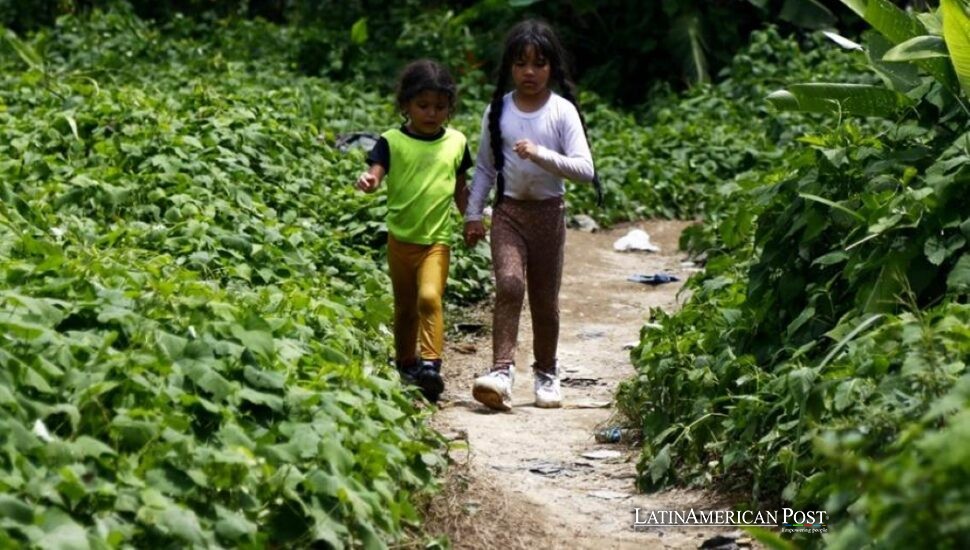
A new regional report from UNICEF and PAHO maps how violence against children overlaps across homes, schools, streets, and screens. The question is no longer what is happening. It is whether governments will fund proven solutions before silence becomes inheritance.
The Waiting Room Where Policy Becomes Personal
In a clinic waiting room somewhere in Latin America and the Caribbean, the chairs are molded plastic, and the air carries that faint disinfectant smell that never quite leaves. A child sits close to an adult, knees pulled in, eyes fixed on the floor tiles. Nothing dramatic happens in the moment. That is the point. Violence against children rarely arrives with a single, cinematic event. It accumulates quietly, and by the time it reaches a hospital, a classroom, or a police desk, it has already done its work.
This ordinary scene is implied across a regional report produced by the United Nations Children’s Fund and the Pan American Health Organization. Their framing is blunt: violence against children and adolescents includes physical, psychological, and sexual abuse, and it shows up through armed violence, violent discipline, bullying, and online violence, often at the same time. What this does is create overlap, where one harm becomes the gateway for another.
The report’s insistence is that there is no single cause. Violence is tied to poverty, discrimination based on age, race, gender, and disability, weak protection systems, and the pressures of crime and conflict. Not all children face the same risk. Those living in poverty, in areas exposed to gangs and organized crime, or inside households already marked by violence are more vulnerable. The story is not only about individual acts. It is about conditions that make those acts predictable.
The trouble is that the people who commit violence are often not strangers. They are parents, family members, teachers, caregivers, friends, or partners. Sometimes police. Sometimes members of gangs and organized crime. Violence lives uncomfortably close to the child, and sometimes inside the institutions that claim to protect them.
And it lasts. Not a day. A lifetime. The report ties childhood violence to physical and mental health problems, difficulty learning, and behavior issues. Being abused or witnessing abuse also increases the risk of experiencing violence later in life. A cycle that reaches forward into the next generation, long after the original injury is forgotten by everyone except the person who carries it.
Guns, Gangs, and the Age of Recruitment
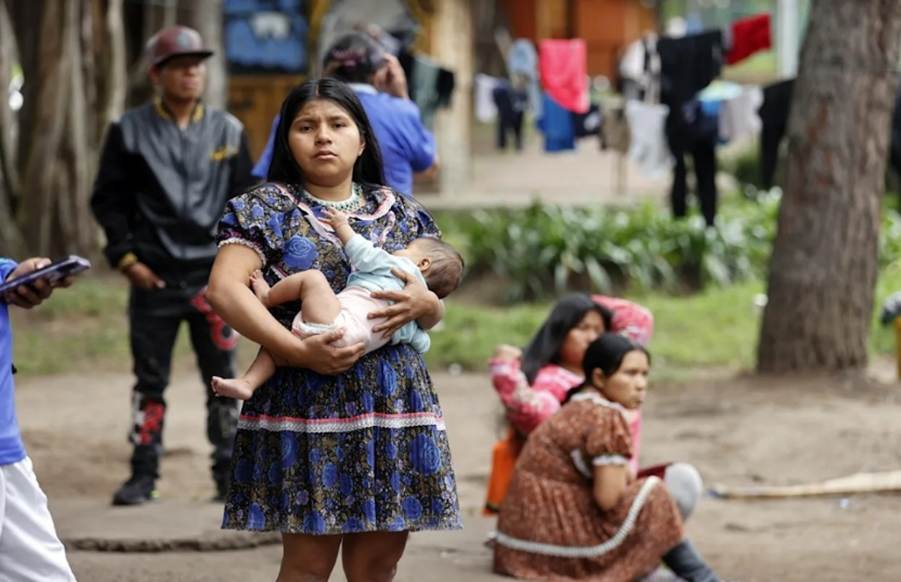
Armed violence is increasing in some parts of the region, driven by a mix that will feel familiar to anyone who has watched a neighborhood change: widening inequality, fewer safe public spaces, illegal trade, harmful gender norms, organized crime, and poor control over weapons. The report describes children as young as ten, sometimes as young as six or seven, being recruited into gangs and used as lookouts and drug couriers, or to carry weapons. As they grow older, the roles grow darker. Extortion. Killings.
Girls face specific dangers within these structures, including sexual abuse, trafficking, and exploitation by gang leaders. The report does not pretend that recruitment is always the same story. Some children are forced. Others join because they want safety, respect, money, or simply a way to survive. Recruitment can happen face-to-face or online, including through gaming platforms. In that detail is a modern edge: the boundary between street and screen is thinner than adults like to admit.
The report’s data show how deadly this becomes. In 2019, homicide was the leading cause of death for adolescents aged ten to nineteen in Latin America and the Caribbean. Between 2018 and 2022, the number of adolescent boys aged fifteen to seventeen who were homicide victims fell across the region, though the rate remained very high. Between 2021 and 2022, the number of adolescent girls aged fifteen to seventeen who were killed rose. Since 2023, homicide rates have increased in some countries, making it likely that more children and adolescents are affected.
Children are not only victims. Between 2015 and 2022, about ten thousand five hundred children and adolescents aged zero to nineteen were arrested or suspected of homicide. Most were teenagers, aged 15 to 19, but one in 14 was as young as 10 to 14. Boys were thirteen times more likely than girls to be arrested or suspected, though the report notes that not all have actually committed these crimes. The wager here is whether societies treat these children only as threats or as evidence of systems that failed early and repeatedly.
The report does not leave governments guessing about what can work: enforce firearms laws and policies, interrupt violence through mediation and community action, offer comprehensive social and educational programs for at-risk children and families, reduce financial incentives to join gangs, expand mental health and substance abuse services, and build child-friendly justice systems that emphasize restorative paths rather than additional harm.
Homes, Schools, and the Violence We Tolerate
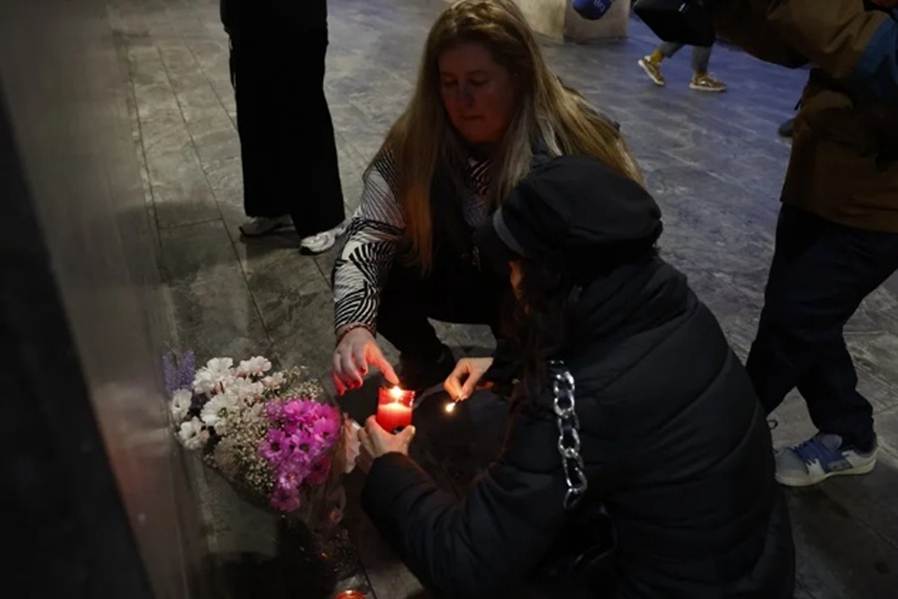
Not all violence comes with a gun. Violent discipline remains one of the most widespread forms of abuse in the region, and the report places it where it belongs: inside homes and schools. More than six out of ten children aged zero to fourteen are subjected to violent discipline, most often at home or in school. Emotional abuse is the most common, with forty-six percent reporting it, while thirty-eight percent have faced physical punishment. Children and adolescents with disabilities face exceptionally high risks, and the report estimates nineteen point one million children and adolescents in the region live with disabilities.
Many caregivers still believe violent discipline is the only way to teach respect and good behavior. The report argues the opposite. Hurting or threatening a child does not work. It harms health and well-being, makes learning harder, damages family relationships, and teaches that violence is an acceptable way to deal with conflict. The cycle continues because the lesson is learned, then repeated.
Legal progress exists, but it is uneven. As of August 2025, eleven countries in the region had bans on violent discipline in all settings, and others are moving in that direction. But the report warns that bans are not enough when laws are not enforced, when emotional abuse is excluded, and when systems do not protect children in practice.
Schools carry the same contradictions. Bullying and violence in schools remain widespread, threatening children’s right to safe and inclusive education. One in four children and adolescents experiences bullying. Boys are more likely to face physical bullying, while girls are more often exposed to psychological bullying and sexual harassment. Bullying also takes place in communities and online. Survivors face higher risks of depression, anxiety, suicidal thoughts, social isolation, and poor school performance. Responses across the region are uneven, with many countries lacking coordinated national commitment.
The report’s solutions here are not mystical. Strong laws and policies are part of it, but so are the practical pieces: training school staff, building response services, challenging harmful social and gender norms, and creating school programs that last long enough to change behavior, not just decorate a semester.
Online violence adds a final layer that is no longer optional. Perpetrators use social media platforms and video games to groom, harass, and exploit children. New tools, including artificial intelligence-generated fake sexual images, are being used for blackmail. The report notes that data are limited because few countries run surveys, but the available evidence shows substantial exposure to cyberbullying and offensive behavior online. Governments have taken steps through laws and child protection systems, but comprehensive legal frameworks and effective enforcement remain absent in many places.
Back in that clinic waiting room, the child still does not look up. The everyday observation is painfully simple: silence can become a routine. UNICEF and PAHO argue, with data and tested examples, that the region already knows how to disrupt that routine. What is missing is not the map. It is the decision to follow it.
Also Read: Haiti Council Moves to Oust Prime Minister as New U.N. Force Arrives