The arrest of Sebastián Marset in Bolivia ends, at least for now, one of South America’s strangest criminal performances: a Uruguayan trafficker who allegedly laundered drug money through soccer clubs, bought his way onto teams, and treated stadiums like camouflage.
The Midfielder Who Arrived in a Lamborghini
Some crime stories hit hard from the start, while others seem almost absurd at first. Sebastián Marset was the latter—until the violence and money behind it became clear.
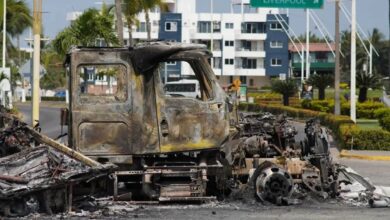
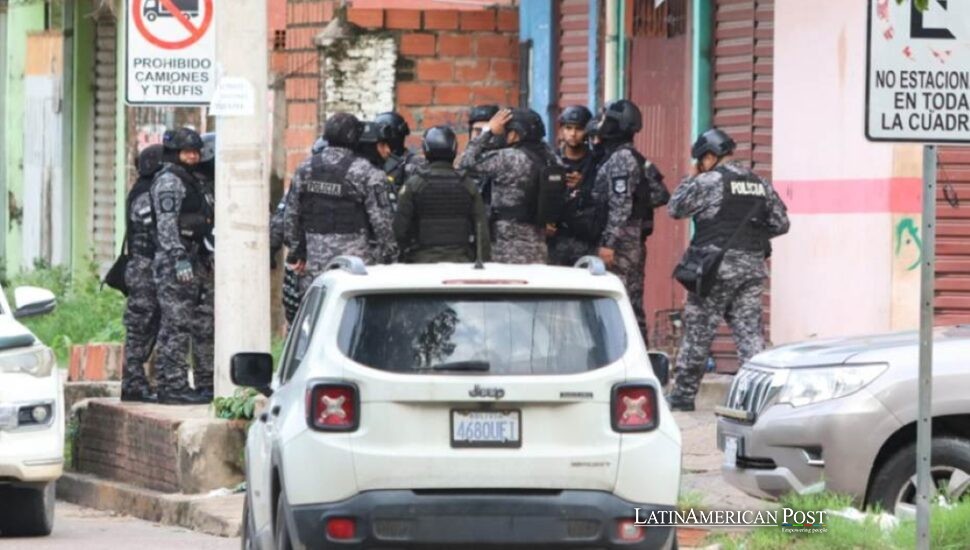
AFP reported that the Uruguayan trafficker, long wanted by authorities across the region and by the United States, was handed over to agents of the U.S. Drug Enforcement Administration at Santa Cruz airport after his arrest in Bolivia. State television showed him being placed on a U.S. plane. A senior Bolivian minister said the arrest and deportation were carried out under a U.S. court order. The raid itself unfolded in an upscale neighborhood of Santa Cruz and involved hundreds of police officers. Four other people were also arrested.
That’s the latest chapter, but Marset stayed in people’s minds not just because of the charges against him. It was his showmanship. The Washington Post detailed his double life: a trafficker who didn’t just buy his way into soccer but insisted on playing.
At Deportivo Capiatá, he seemed almost unreal. A square jaw, gold jewelry, Rolex watches, tattoos down his right arm, and a silver Lamborghini rolling across a gravel lot. In another story, this might be a singer or a local boss. But here, it was a man tied to one of South America’s biggest cocaine operations.
He wanted the number 10 jersey so much that he paid $10,000 in cash for it. He pushed to get playing time even though, according to reports, he was a mediocre player whose best days were behind him. Jorge Nuñez, Capiatá’s coach, told The Washington Post he kept asking, “Who is this guy?” Players reportedly gathered around him, insisting Marset had to play.
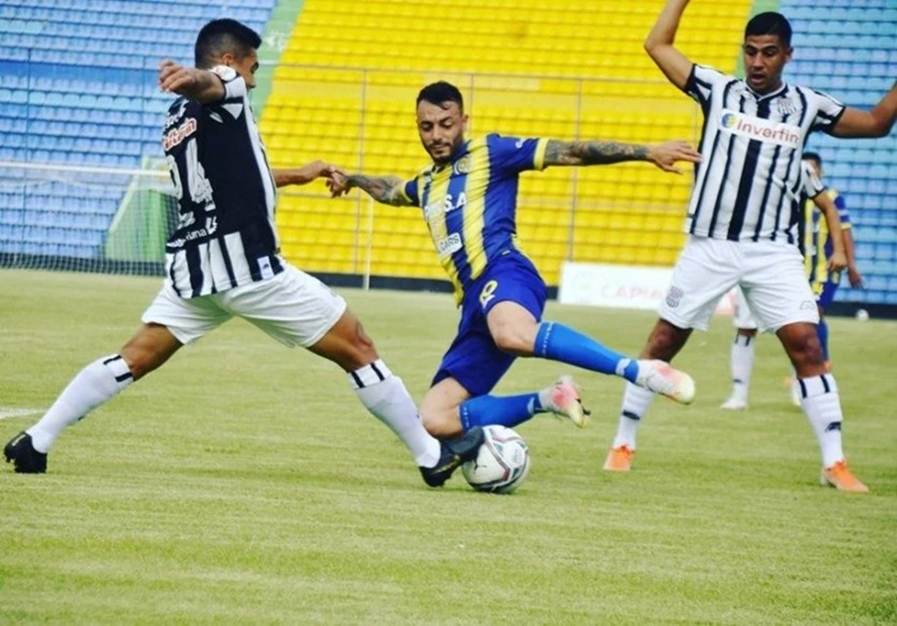
Then came the penalty kick. The score was tied, and it was a chance to change the season. The stadium fell silent, then groaned as the ball sailed over the crossbar. Even the security guard kicked at the dirt. It was ridiculous. But that absurdity was a cover. While coaches focused on the game, the man wearing No. 10 was reportedly moving cocaine, cash, and influence across borders.

Where Dirty Money Learns to Applaud Itself
The real scandal isn’t that a trafficker liked soccer. In Latin America, that’s hardly surprising anymore. The bigger issue is how easily soccer can be used to wash dirty money in public.
The notes describe the connection with unusual bluntness. Investigators in Paraguay concluded that the legitimization of illicit funds was done through sports. That sentence lands hard because it says out loud what much of the region has long suspected. Soccer contracts, transfers, ticket sales, sponsorships, merchandise, all of it can become elastic in the wrong hands. Numbers swell. Origins blur. Dirty money enters through one door and leaves wearing club colors.
Marset knew this well. He reportedly bought and sponsored lower-tier professional teams across Latin America and Europe, funneling drug money through the sport while chasing a childhood dream. That mix makes the case so revealing. He wasn’t just laundering money. He was laundering his own image.
In a region where soccer is a bedrock of identity, belonging, and political visibility, owning or funding a club means much more than balancing books. It means entering civic life through the front gate. A trafficker can become a patron, a benefactor, or even a local hero. The old border between criminal power and public power gets thin fast.
That’s why the Capiatá story matters beyond its oddness. The team was struggling, short on resources, with fewer fans. Players complained about poor equipment and conditions. Then Marset showed up, and according to reports, things improved: better food, TVs, and physical therapy beds. Bonuses for wins were promised—enough to change a player’s life. For players trying to make it in lower-level soccer, that money felt very real.
It also did not feel clean.
The notes place that dynamic inside a wider Paraguayan network of politics and privilege. Marset allegedly borrowed a senator’s plane. Prosecutors later tied property deals and transport links to his cartel. The senator was indicted. Another powerful figure denied wrongdoing through his lawyer. The point here is not merely individual guilt. It is the atmosphere of permission. Marset did not float above institutions. He moved through them.
That explains how he could disappear under one identity and show up in another field, in a different country, with a new name. Authorities adjusted their search. If they couldn’t catch him during a drug shipment, they’d have to look for him at the stadiums.
The Dream That Curdled in Public
The saddest part of the story is also the simplest. By the account quoted in the notes, Marset always wanted to be a soccer player.
He grew up in Piedras Blancas, near Montevideo, in Uruguay, a country that once believed it was safe from the region’s worst violence. He was a good student—skinny, bright, and a bit theatrical in class. He played street soccer with makeshift goals and shirt numbers drawn with markers because real uniforms were too expensive. He worked at a gas station, spent his earnings on a David Beckham jacket, and chased a dream of glamour he couldn’t yet afford.
Then the dream narrowed. He was not good enough. Not fast enough. His touch was mediocre. His passes drifted. After that, the notes show the familiar slide: petty crime, narcotics, a riskier assignment, arrest, prison, then contacts made inside a system where organized crime and ambition mixed easily. By the time he got out, the route had changed. Cocaine was moving toward Europe through South America’s southern ports. Montevideo mattered. Paraguay mattered. Bolivia mattered. Marset saw the opening and, investigators say, became one of the men who helped perfect it.
He called his shipments “The King of the South.” He directed where to stash cash, who to pay, and how to hide cocaine inside cookies and soybeans. He reportedly talked about murdered rivals in text messages with cold detachment. And through it all, he kept chasing lineups, training sessions, and team photos—the dream of being seen not as a fugitive but as a midfielder.
That fantasy collapsed in Santa Cruz. AFP linked the arrest to a broader regional crackdown, including Bolivia’s growing cooperation with Washington and a new anti-cartel alliance involving 17 countries. The politics around the capture are loud. So is the symbolism. A man who once mocked authorities in video messages, boasting that he was too smart for them, was finally walked onto a plane under guard.
What’s left after the spectacle is something colder. Marset’s story isn’t just about one Uruguayan trafficker with vanity and money. It shows how easily sport, politics, and criminal money blend in the region. In that mix, a man can miss a penalty in broad daylight and still walk off the field thinking he owns the game.
Also Read: Latin America Confronts Deadly Boat Strikes Amid Accountability Crisis