Venezuela Ghost Tankers Outrun Trump’s Sanctions, and Caracas Learns Again
US sanctions sought to choke Venezuela’s oil cash, yet exports climbed from 495,000 barrels a day to about one million. After a tanker seizure, Trump’s “total and complete” blockade tightens the Caribbean, testing traders, sailors, and families again this season.
From Pressure to Workarounds
In 2019, Donald Trump sanctioned Venezuela’s oil industry to pressure Nicolás Maduro, and exports fell to about 495,000 barrels per day. In an oil country, that number is not abstract: it filters into paychecks, imported food, and the fuel that keeps hospitals and buses moving along the coast.
Six years later, the sanctions remain, but exports have recovered to roughly one million barrels per day, BBC Mundo reports. The scale is still diminished: Venezuela produced about three million barrels per day in 1998, before Hugo Chávez took power, and by late 2018 exports were above 1.1 million barrels per day. The shift is also tactical. Research in Energy Policy and Marine Policy has noted that sanctions often breed discount markets and intermediaries, not tidy political outcomes.
Inside the Ghost Fleet
That is where the ghost fleet comes in. The BBC links Venezuela’s workaround to a wider pattern also used by sanctioned producers Russia and Iran. S&P Global estimates one in five oil tankers worldwide is involved in moving sanctioned crude; the BBC cites an internal split of 10% devoted only to Venezuelan oil, 20% to Iranian, 50% to Russian, and 20% that can mix sources. Maritime firm Windward puts the clandestine fleet at roughly 1,300 vessels.
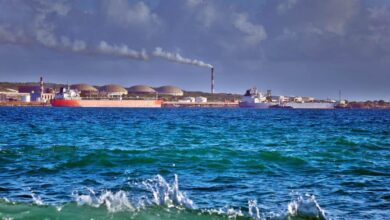
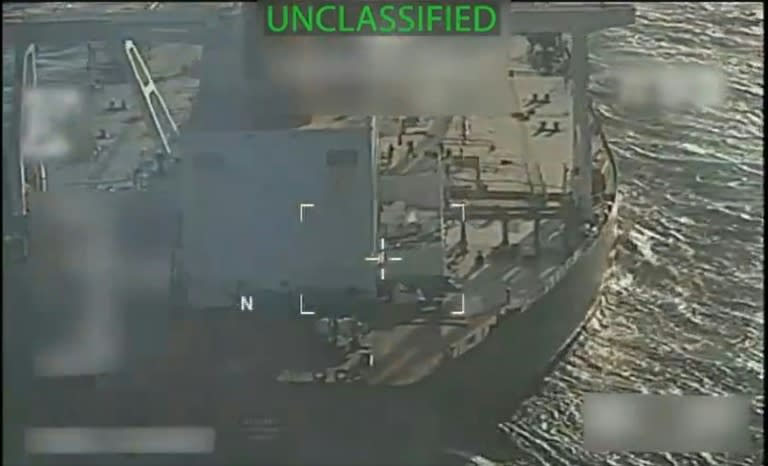
Evasion, on the water, is bureaucratic. Ships rotate names and flags to outrun scrutiny. The tanker seized off Venezuela, the BBC reported—citing CBS News—was operating as The Skipper. CBS News, as summarized by the BBC, said the US Treasury sanctioned it in 2022, alleging a role in a smuggling network tied to financing Iran’s Revolutionary Guard and Hezbollah. The ship previously used the names Adisa and The Tokyo, and was linked to sanctioned Russian oil magnate Viktor Artemov. US Attorney General Pam Bondi said on X it moved oil from Venezuela and Iran.
The details can turn surreal. The Skipper is about 20 years old; the BBC notes major shippers often sell tankers after 15 years and scrap them near 25, leaving older hulls for higher-risk routes. Some operators become “zombie ships,” stealing identities and broadcasting registration numbers from the International Maritime Organization. In April, a tanker calling itself Varada reached waters near Malaysia after departing Venezuela; it flew the Comoros flag and was 32 years old. A Bloomberg investigation cited by the BBC found the real Varada was scrapped in 2017 in Bangladesh. Ghost fleets also transfer cargo ship-to-ship offshore, and may switch off automatic identification; experts told BBC Mundo that this helped obscure Venezuelan shipments to China during Trump’s first term.
A Blockade with Ripples
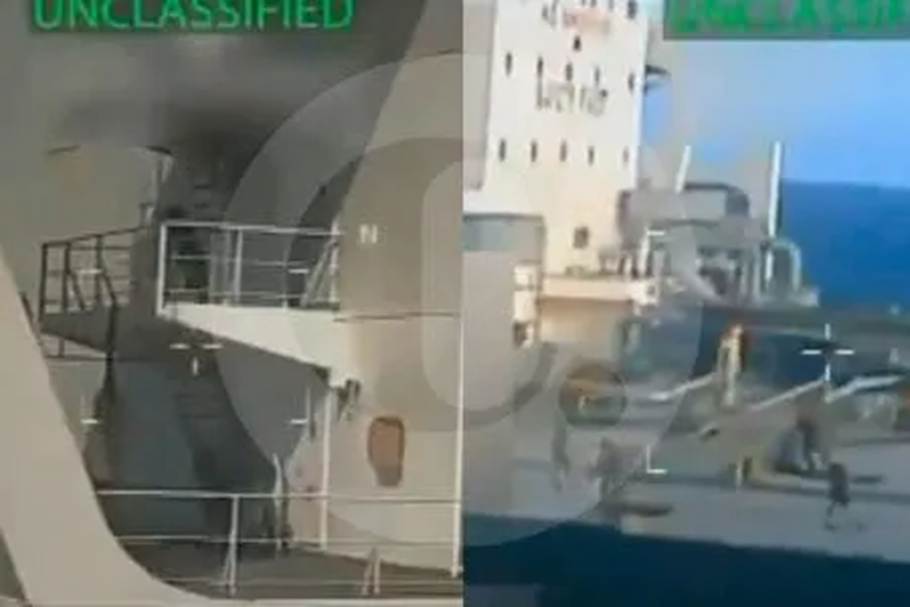
Then, last week, the hidden trade met force. US units intercepted and seized a tanker off the coast of Venezuela, the BBC reported. At the White House, Trump called it unprecedented: “We just seized a tanker off the coast of Venezuela, a big tanker—very big, in fact the biggest ever seized,” he said, according to the BBC. Maduro’s government denounced the action as “a brazen theft and an act of piracy,” and said it would appeal to international bodies.
The BBC reports, Trump ordered a “total and complete” blockade of sanctioned oil tankers entering or leaving Venezuela. The decision sharpens tensions that have grown since August, when Washington deployed forces in the Caribbean, officially for counternarcotics. Many analysts see something else: a push for political change in Caracas. For exporters and crews, the immediate effect is simple—more risk, more secrecy, and deeper discounts.
A report by Transparencia Venezuela, cited by the BBC and based on October port observations, shows how busy that gray zone is. It counted 71 foreign tankers visible in PDVSA ports, including 15 under sanctions and nine tied to ghost-fleet patterns. It also reported an average of 24 tankers operating furtively near three ports with signals off, and detected six ship-to-ship transfers near Amuay Bay. Flags of convenience dominated: 29 ships under Panama, six under the Comoros, and five under Malta. Transparencia Venezuela noted that 38 vessels spent more than 20 days without docking, contrasting them with Chevron-linked ships—authorized by Washington to operate in Venezuela—that load and depart within a maximum of six days. “The extended stay in the country’s port areas, without arriving directly at the oil terminals, raises serious doubts about the type of operations those ships carry out,” the group said, as quoted by the BBC. The BBC adds the seizure was launched from the carrier Gerald Ford, described as the world’s largest—an offshore reminder that, in this region, energy and power travel together.
Across Venezuela, the ghost fleet is not an abstraction; it’s the shadow side of survival. Whether pressure hardens Caracas or drains it, the Caribbean keeps moving—carrying risk, bargains, and consequences into kitchens far inland.
Also Read: Venezuela Skies, JetBlue Jitters, and the Tanker Nobody Wanted There