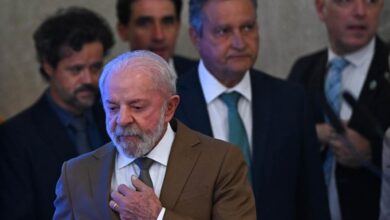
Brazilian Strongman Or Bridge Builder: Tarcísio And 2026 Security Politics
As Brazil’s Congress hardens penalties for criminal gangs, Tarcísio de Freitas has turned public security into his calling card. Loved by markets, courted by the right and watched warily by Lula, he may decide the Brazilian opposition’s post‑Bolsonaro future direction.
From Technocrat To Political Phenomenon
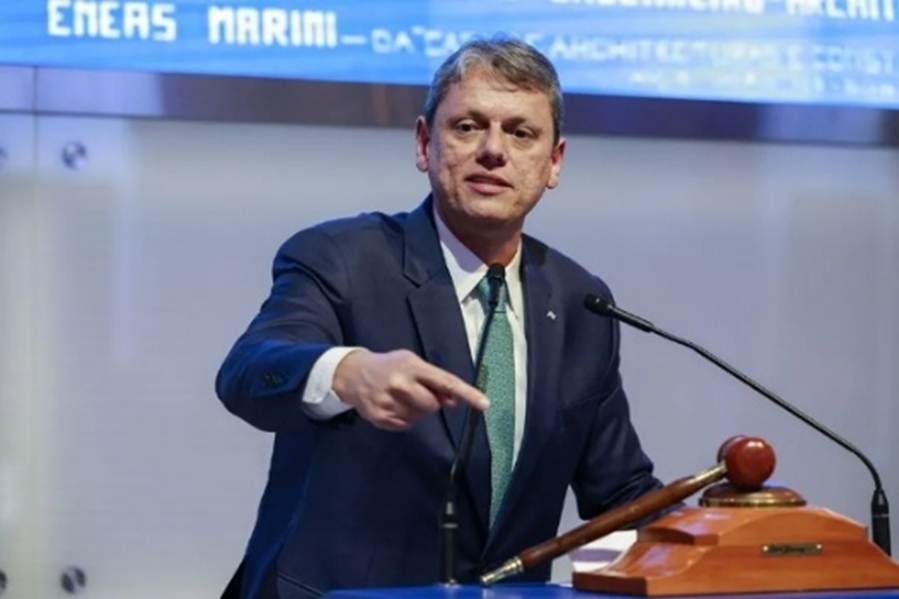
When Brazil’s Congress approved a bill to double or triple prison sentences for gang members, it was President Luiz Inácio Lula da Silva’s government that drafted most of the text. Yet the victory lap belonged to someone else. Hours after the vote, São Paulo Governor Tarcísio de Freitas appeared on Instagram in a tight, presidential‑style video, in a black polo, declaring that ‘all law‑abiding citizens have reasons to celebrate’ and insisting that public security now sat ‘at the center of the national debate.’ This move signals his positioning as a law-and-order candidate with national ambitions, shaping his prospects for 2026.
This is the paradox of Tarcísio. Officially, he keeps repeating that he will seek reelection as governor in 2026. Unofficially, everything from his rhetoric to his congressional maneuvering signals a national project. Investors in São Paulo and on Wall Street already treat him as the right’s most viable 2026 contender, especially with former President Jair Bolsonaro now in even deeper legal trouble.
Part of Tarcísio’s appeal lies in how different his résumé looks from those of traditional Brazilian politicians. A military engineer and former army captain, he served in important posts under Dilma Rousseff and Michel Temer before ever speaking to Bolsonaro. He had never run for office until Bolsonaro hand‑picked him as his São Paulo candidate in 2022. Born in Rio de Janeiro and raised on the poor outskirts of Brasília, he had barely lived in São Paulo state before that campaign. But Bolsonaro’s blessing, plus Tarcísio’s technocratic image, were enough to deliver him Brazil’s most powerful governorship on his first try.
Walking The Tightrope Between Bolsonaro And The Center
If his CV is unusual, his political persona is even more elastic. One day, Tarcísio proclaims unwavering loyalty to Bolsonaro and fires up a rally by calling Justice Alexandre de Moraes—a Supreme Court judge who later sentenced Bolsonaro to more than 27 years in prison—a ‘tyrant.’ A few weeks later, he is photographed smiling at the Supreme Court, meeting cordially with the same justices who enraged Bolsonaro’s base. This oscillation raises questions about his credibility among core supporters and moderates, potentially affecting his ability to unify the right in 2026.
As governor, he has attended public events with Lula, supported the government’s tax reform, and maintained open channels with the pragmatic center. At the same time, it was Tarcísio who quietly orchestrated the opposition’s move to appropriate Lula’s gang‑crime bill, pushing his former security chief, Congressman Guilherme Derrite, into the key role of rapporteur and then promoting the final text as a hard‑line opposition achievement. It was pure political engineering—and it worked.
This duality is both his superpower and his vulnerability. Business elites see a market‑friendly conservative who can talk to the Supreme Court and Lula’s ministers. Bolsonaro’s most radical supporters fear “the system” is grooming him as a tame replacement for their leader. Bolsonaro’s son Eduardo went so far as to brand Tarcísio “the system candidate” and “dummy opposition,” telling Americas Quarterly that his election would not be “a victory for the right.”
External shocks have only sharpened this internal conflict. When Donald Trump slapped a 50% tariff on Brazilian products, selling it as punishment for what he called a “witch hunt” trial against Bolsonaro, the Brazilian right expected a political windfall. Instead, the sanctions accelerated Bolsonaro’s conviction, rallied moderate opinion around the Supreme Court, and struck São Paulo’s exporters—putting Tarcísio in the crosshairs of both corporate Brazil and Bolsonaristas demanding he fight harder for an amnesty. When Trump later rolled back most sanctions after a warm meeting with Lula, the right’s strategy looked even more incoherent. Under that pressure, Tarcísio publicly withdrew from the 2026 presidential race.
Security, Tariffs, And Lula’s Strategic Mistake
Then came the police operation that changed everything. On October 28, Rio de Janeiro’s state police launched the deadliest raid in Brazil’s history against the Comando Vermelho gang: 121 people killed, including four officers, and 81 arrested. In most of Latin America, public security is a federal issue; in Brazil, it is essentially a state responsibility, making this a showcase of state power.
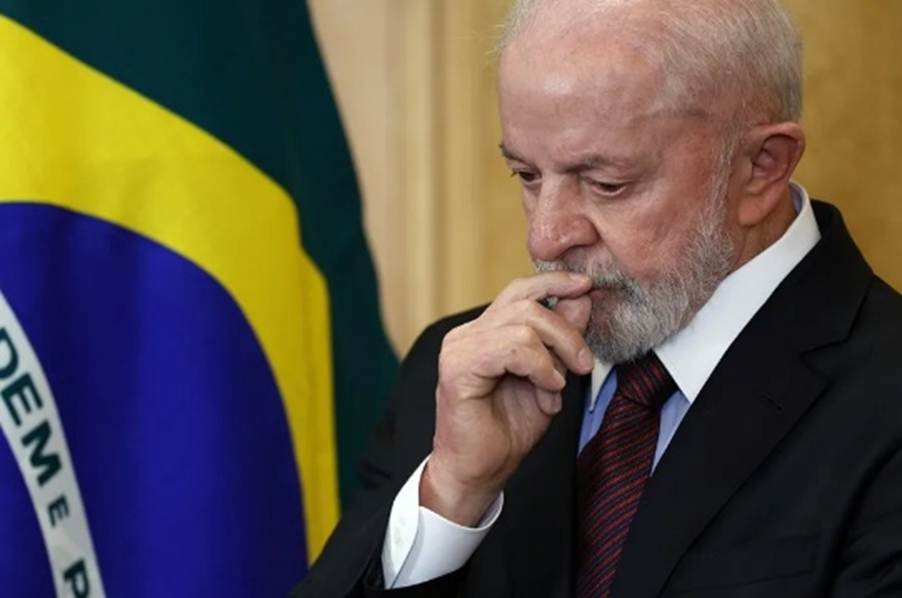
Polls showed roughly two‑thirds of Brazilians approved of the operation and saw no abuse. Yet Lula, against his own media advisers’ warnings, called it “a slaughter.” According to polling cited by Americas Quarterly, 57% of voters disagreed with him. It was a classic misstep by the Latin American left: framing violence primarily as a socioeconomic problem and focusing on police abuses in a context where many poor residents feel trapped between gangs and indifferent authorities, and view tough policing as overdue protection rather than abuse.
Sensing an opportunity, Lula’s team tried to regain control by drafting a federal bill that would stiffen penalties for gang membership and expand Brasília’s influence over state security policy. Technically, it was a well‑designed law. Politically, it was a gift to Tarcísio.
The governor leveraged his influence in Congress to ensure that Guilherme Derrite, a former São Paulo special‑ops police captain and his former public security secretary, became the rapporteur. Derrite preserved the core of the Lula bill but adjusted key details and branding. By doing so, Tarcísio demonstrated his legislative agility and strategic positioning as a tough-on-crime figure, positioning himself as a credible alternative to Lula’s approach and shaping his prospects for 2026.
The episode did two things at once: it exposed the Lula government’s difficulty reading the public mood on crime, and it gave Tarcísio a showcase of legislative skill and rhetorical agility—precisely the attributes a presidential campaign would need.
Will The Brazilian Right Choose Loyalty Or Electability?
The final decision, however, is not Tarcísio’s alone. Without Bolsonaro’s explicit blessing, he risks becoming just another “third way” centrist: beloved by investors, stalled in single digits with voters. With Bolsonaro now jailed again after allegedly using a soldering iron to tamper with his electronic ankle monitor, the right faces a moment of reckoning it can’t postpone much longer.
The former president essentially confronts his own prisoner’s dilemma. One path is dynastic: elevate a son —most likely Senator Flávio Bolsonaro —keep the family brand intact, and run a purist campaign that preserves maximum control over the base—even if that narrows the road to victory. The other path is transactional: endorse a candidate like Tarcísio, who can bridge the radical right and the pragmatic center, expand the coalition, and improve the odds of defeating Lula or whoever the left fields in 2026, while inevitably diluting the Bolsonaro family’s direct hold on power.
From the perspective of many right‑wing governors, congressional leaders, and business elites, the logic is brutal but simple. Bolsonaro, legally wounded and increasingly erratic, can no longer unite a majority. Tarcísio, with his amorphous identity, managerial reputation, and security credentials, just might. As one strategist told Americas Quarterly, he is currently the only figure capable of building a broad anti‑Lula front without scaring swing voters or alienating Bolsonaro’s base outright.
The governor’s Instagram celebration of the gang‑crime bill looked, on the surface, like a routine victory lap. In reality, it was a carefully staged audition: a Brazilian conservative who can talk tough on crime, shake hands with justices, negotiate with Lula’s Congress, and still shout “tyrant” on a rally stage when needed.
Whether that balancing act is sustainable through a presidential campaign is an open question. But with public security set to dominate Brazil’s 2026 agenda, and Bolsonaro’s legal calendar narrowing his options, the odds that Tarcísio de Freitas remains “just” the governor of São Paulo are shrinking fast.
Also Read: Latin America Faces Trump’s Threats, Deals, And Contradictions