Colombia at the Crossroads as Trump Threats Meet Election Fever
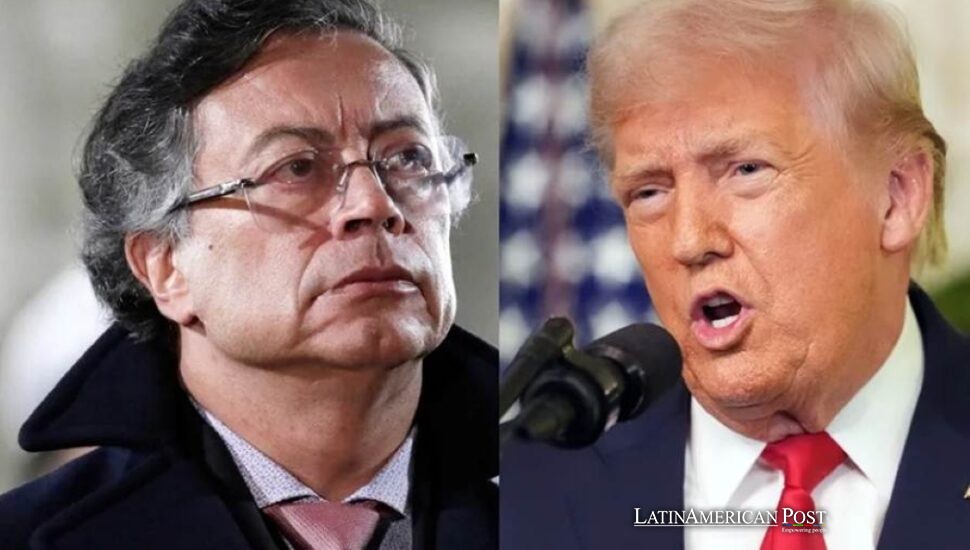
In Colombia, Gustavo Petro faced Donald Trump’s taunts and talk of military action just as the 2026 campaign warms up. From Bogotá rallies to polling numbers, sovereignty, cocaine politics, and U.S. ties collide in one uneasy season for many today.
A Sword, A Rally, And A Sudden Call
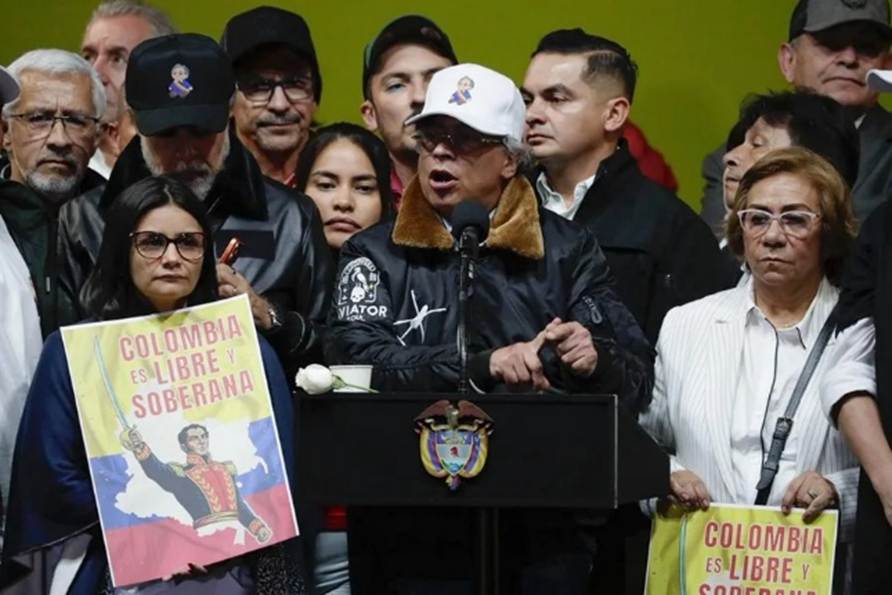
On Wednesday, President Gustavo Petro returned from Cartagena to Bogotá and learned on the road that President Donald Trump wanted to speak with him. When Petro reached Casa de Nariño, thousands of supporters were gathered outside for a rally.
The mood had been set by Trump after he authorized action against Venezuela’s leadership. He called Petro a “sick man,” accused him of producing cocaine for the United States, and said military action against Colombia “sounds good.” Petro, a 65-year-old leftist, warned that the country was in danger and urged citizens to mobilize in defense of sovereignty. He said he feared being removed from office like Nicolás Maduro and would remain in the palace beside the sword of Simón Bolívar. He denied being a drug trafficker, saying he lives off his salary.
After Petro arrived at the palace, the call took place. Soon afterward, Trump posted that it had been a “Great Honor” to speak with Petro, said Petro called to explain disagreements over drugs, praised his tone, and wrote that a White House visit was being arranged. At the rally in Bogotá, Petro read part of the post aloud, and the crowd applauded, relief, more than affection, carrying the noise.
Cocaine Diplomacy and Uneasy Allies
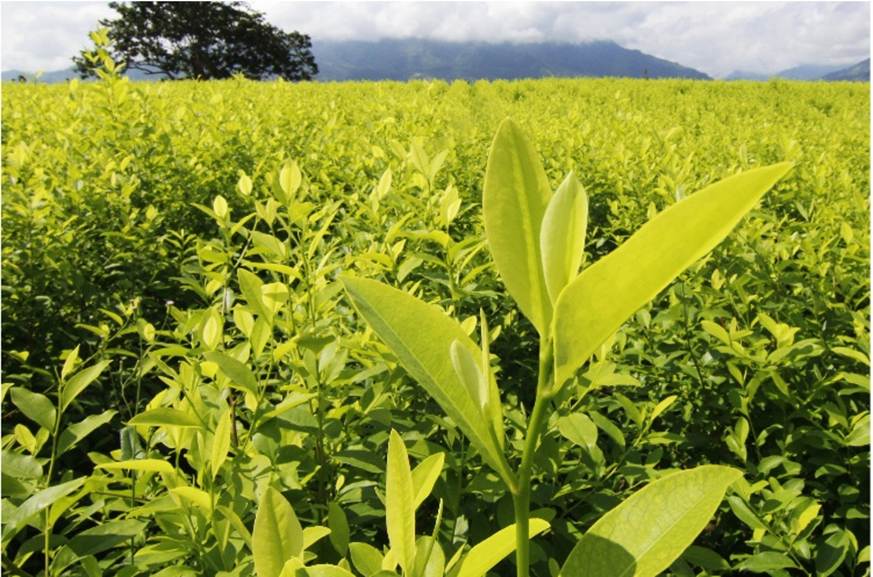
Relief is fragile because the stakes are structural. Colombia and the United States are bound by decades of counternarcotics cooperation, with tens of billions of dollars in U.S. assistance and joint operations that helped kill Pablo Escobar in 1993. Cocaine production has continued to rise, and Colombia remains the world’s largest producer.
So the suggestion of military action landed hard. Petro called on Colombians to demonstrate, while his foreign minister emphasized diplomacy but said Colombia would not rule out a military response if attacked. In the United States, Senator Chuck Schumer said he was dissatisfied with assurances that no such operations were planned, and a White House press secretary declined to answer directly. Secretary of State Marco Rubio said institutional ties remain intact.
The feud between Petro and Trump has also been personal. The U.S. State Department revoked Petro’s visa the previous fall after he urged U.S. soldiers to disobey Trump during a rally. A February dispute over migrant flights ended after Trump threatened tariffs. Petro denounced U.S. support for Israel and said U.S. boat strikes targeting drug traffickers amounted to murder, prompting Trump to call him an “illegal drug dealer.”
The 2026 Race Tightens
The confrontation is arriving as Colombia enters 2026 with a packed electoral calendar. On March 8, voters will elect members of the Senate and House of Representatives, and two interparty consultations that day, one on the left and one on the center-right, will choose presidential candidates. The presidential first round is May 31, and a second round is expected on June 21. Petro is barred from seeking a consecutive term.
His coalition, Pacto Histórico, never held majorities in Congress, blocking several signature reforms, including changes to health and education and two tax initiatives. That gridlock is now part of the campaign argument over whether the left was denied a fair chance or proved unable to govern.
On the left, Senator Iván Cepeda, dubbed “el heredero” by opponents, leads early polling. An Invamer survey placed him first with 31.9%, with former senator Roy Barreras and former governor Camilo Romero seeking to challenge him in the left consultation on March 8. Other left precandidates include Carlos Caicedo and Luis Carlos Reyes, who have made noise outside Petro’s inner circle. Cepeda gained visibility through the long case involving former president Álvaro Uribe, who governed from 2002-2010; the process dates to 2012 and ended with Uribe being sentenced to 12 years for procedural fraud and bribery in criminal proceedings, then absolved on appeal. In a year-end message, Uribe attacked Cepeda as “un infierno de odio contra la democracia y la empresa privada.”
On the right, lawyer Abelardo de la Espriella, leader of the far-right Defensores de la Patria, ranked second in Invamer with 18.2% and declared, “Colombia, patria querida, aquí está tu tigre para convertirte en el país milagro.” The Centro Democrático party chose Senator Paloma Valencia as its candidate, hoping to rise from 1.1%, while centrist Sergio Fajardo stood at 8.5% and risked missing the runoff again, as in 2018 and 2022.
Late that night, after telling supporters that dialogue was necessary to reduce deaths, child recruitment into war, and coca cultivation, Petro posted an image of a bald eagle and a jaguar nuzzling. In Colombia, where geopolitics can flare faster than a campaign slogan, the image read like a closing instruction: keep talking abroad, but decide the future at home.
Also Read: Latin America Is Not Trump’s Property Stop the Hemisphere Grab