Colombian Amazon Rainforest Pays When Coca Routes Move Like Water
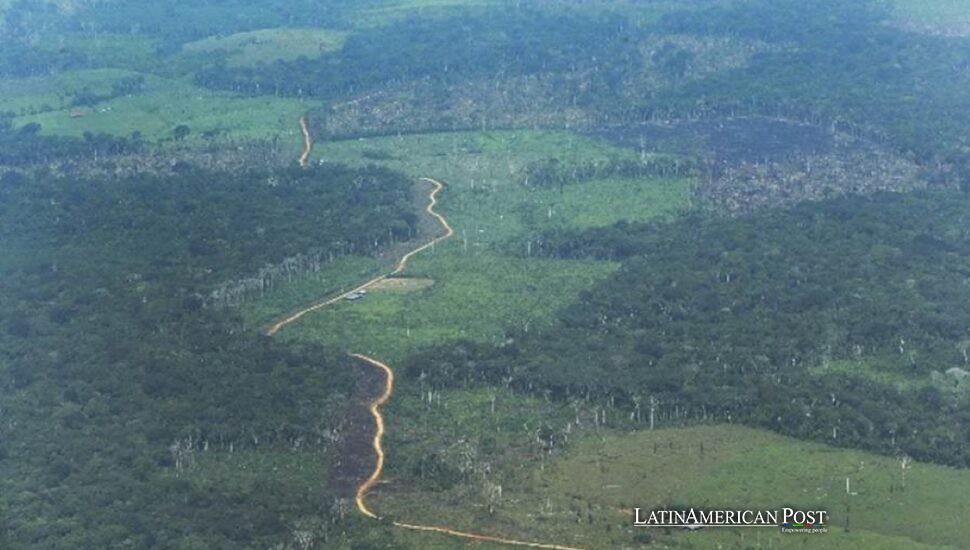
In the Colombian Amazon rainforest, the damage goes beyond just fallen trees. A U.N. agency warns that drug cultivation and trafficking are causing ecological harm and threatening indigenous communities throughout South America—the policy debate centers on borders, protection, and responsibility.
Where Crime Likes the Map’s Blank Spaces
In the Colombian Amazon, the empty spaces on a map are often where different systems meet: forest, river, borders, and a weak state presence. But being remote doesn’t mean these areas are peaceful. Often, it means they are vulnerable.
A United Nations agency reports that illegal drug cultivation and trafficking are causing serious ecological damage across South America, especially in the Amazon, and threatening indigenous peoples. The report warns that illicit economies exploit geography, leaving some communities more vulnerable.
“Criminal activity is common in remote areas of South America. Border areas are often critical zones for trafficking drugs, weapons, and wildlife, as well as for human trafficking,” the International Narcotics Control Board said in its report.
The board, known in Spanish as the JIFE, insists on the linkage between drug trafficking, environmental damage, and violence. That linkage is not a slogan. It is a chain. It begins with a crop and ends with intimidation, deforestation, forced recruitment, and the quiet rewriting of territory.
The report keeps coming back to borders—not as legal lines on a map, but as real borderlands where a river crossing becomes a smuggling route, a remote patch of land serves multiple illegal trades, and protected areas become hiding spots for criminal activity.
It is also a story about what happens when policy is divided. It’s also about what happens when policies are split into separate categories: drugs in one, environment in another, indigenous rights in a third. The challenge is that the Amazon doesn’t follow those neat divisions.
The report makes its argument by moving across countries, showing how the pattern repeats with local variations. In Peru, the JIFE points to evidence linking illicit crops to deforestation.
JIFE mentioned by the board found that 20 to 30 percent of deforestation in some areas is directly linked to new coca bush crops, mostly near borders. The wording is precise: direct attribution, new cultivation, border focus. It aims to identify specific causes, not just general trends.
The report then explains how illicit coca cultivation is spreading into vulnerable communities’ lands, as traffickers look for air and river routes to move drugs abroad. This turns transportation into a source of pressure. The demand for routes pushes crops into areas that often have the least ability to resist or get help.
The JIFE data cited in the report indicate that 71% of illicit coca bush crops in Peru were found in protected natural areas. Even though the total cultivated area decreased in Peru from 2022 to 2023, the report says cultivation increased in indigenous areas, including in the Kakataibo Norte and Sur Indigenous Reserve.
This “poses a threat to the rights of the Kakataibo population, who live in isolation and are particularly vulnerable,” the JIFE said.
Isolation, in Latin America’s Amazon, has long been both refuge and risk. It can protect a community from the constant churn of national politics. It can also leave that community exposed when an illicit economy decides the territory is strategically useful. The report’s language implies that the forest is being treated as infrastructure, not as home.
At its core, this is a simple truth: air and river routes aren’t just lines on a map. They can mean the difference between a community being left alone or suddenly becoming an obstacle.
Colombia’s Record Crop and the Ombudsman’s Alarms
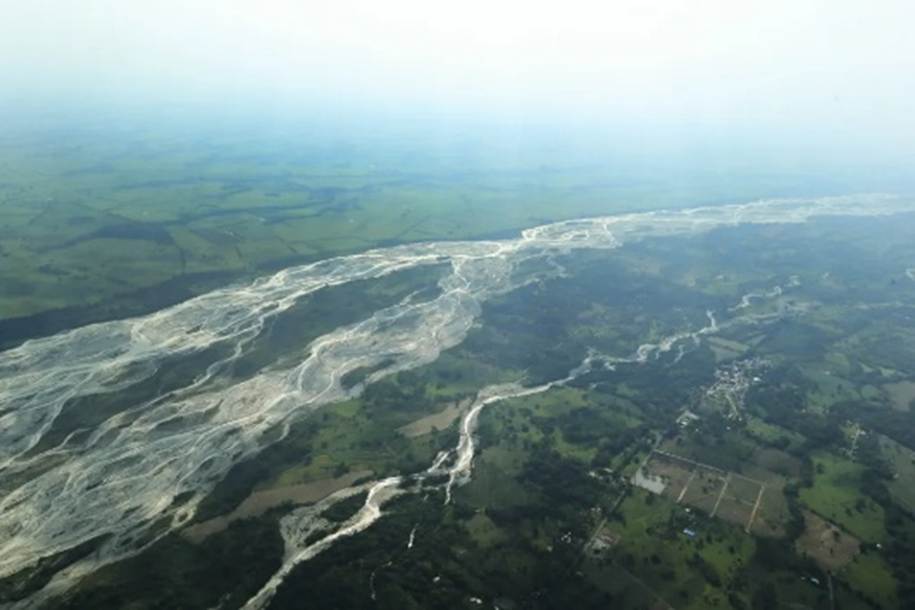
Then the focus snaps back to Colombia, where the numbers become a signal flare. Colombia set a new record, reaching two hundred fifty-three thousand hectares cultivated in twenty twenty-three, the report says, while cocaine production increased by fifty-three percent between twenty twenty-two and twenty twenty-three to two thousand six hundred sixty-four tons.
From a policy perspective, record numbers do two things: they demand attention but also invite denial, since the scale can seem unreal until it’s connected to everyday life.
JIFE highlights this daily reality through Colombia’s Ombudsman’s Office, which issues early warnings to protect vulnerable Amazon communities from drug-related violence. The focus on early warnings shows that harm is predictable, threats are visible, but responses often come too late or not at all.
In the Andean department of Quindío, the report says risks were detected of homicide, massacres, gender-based violence, forced recruitment of minors, extortion, kidnapping, and human trafficking.
This is where the ecological argument meets the human one. The report also notes alerts across the Amazon where human rights and environmental defenders face intimidation from illegal armed groups like the National Liberation Army and FARC dissidents, who are involved in drug trafficking, illegal mining, and logging. Human rights and environmental defenders are intimidated by illegal armed groups, including the National Liberation Army and dissident factions of the FARC, involved in drug trafficking, illegal mining, or illegal logging.
The problem is that these illegal economies support each other. Trafficking routes help illegal mining. Illegal logging opens paths for trafficking. Violence stops communities from resisting. The forest isn’t just being cut down; it’s being reshaped.
A striking line sums it up without extra words: in the Amazon, crime doesn’t just hide in the trees. It uses the trees.
Brazil’s Land Pressure and a Strange Ocean Clue
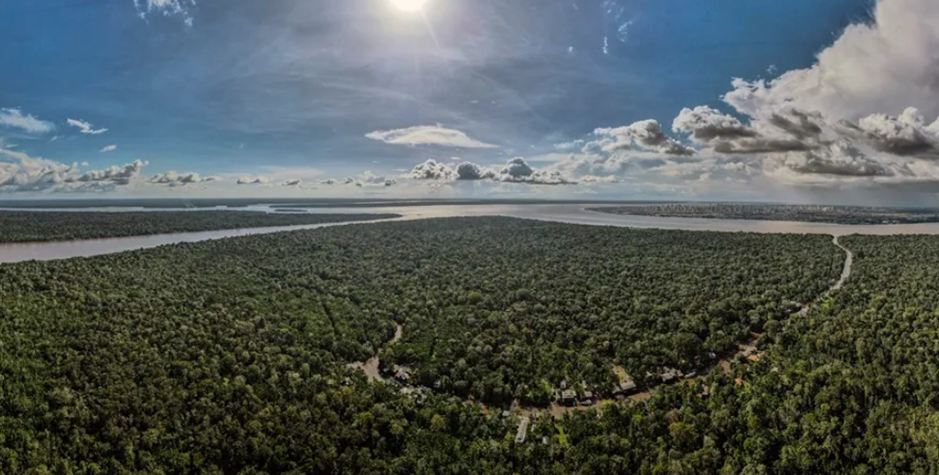
Brazil also appears in the report as a place where trafficking harms indigenous communities, since deforestation and unregistered airstrips often cluster there. It’s the same pattern: remote areas, little oversight, and high strategic value.
“The illegal appropriation or purchase of land for the illicit cultivation of cannabis and coca bush can also affect indigenous and protected territories,” the JIFE said in its report.
Land grabbing is a long-standing issue in Latin America, but the report suggests drug-related cultivation speeds it up, especially since illegal markets value speed and secrecy. Amazon’s protected status on paper doesn’t always translate into real protection.
Then the report shifts, sharply, from cultivation to consumption. In Brazil, the report says, consumption, not only cultivation, is affecting the environment, specifically marine wildlife, as EFE also reported.
A study by the Oswaldo Cruz Foundation in Rio de Janeiro found that several sharks tested positive for cocaine contamination. And the JIFE notes the authors say it is likely the contamination is due to the large amount of cocaine consumed in the city, with residues passing into the sewage system and ending up in the sea.
It is a detail that lands with an almost surreal chill. Coca doesn’t just damage the forest where it’s grown or the routes it travels. Chemically, it can show up in animals far from the fields. This makes the drug trade feel less like a distant crime and more like a regional environmental problem. Forest, the report’s message is not that one country is uniquely responsible. It is that the system is regional, and the consequences are shared. Borders become corridors. Protected areas become contested. Indigenous territories become pressure points. And violence, the report insists, is woven through all of it.
The question now is whether governments see this as one problem with many sides or many separate problems to handle individually. As always, the Amazon will show which choice was real.
Also Read: Mexican Golden Casket Tests How Narco Legends Outlive Their Leaders