Cuba Oil Lifeline Reopens Washington’s Old Caribbean Chessboard Again
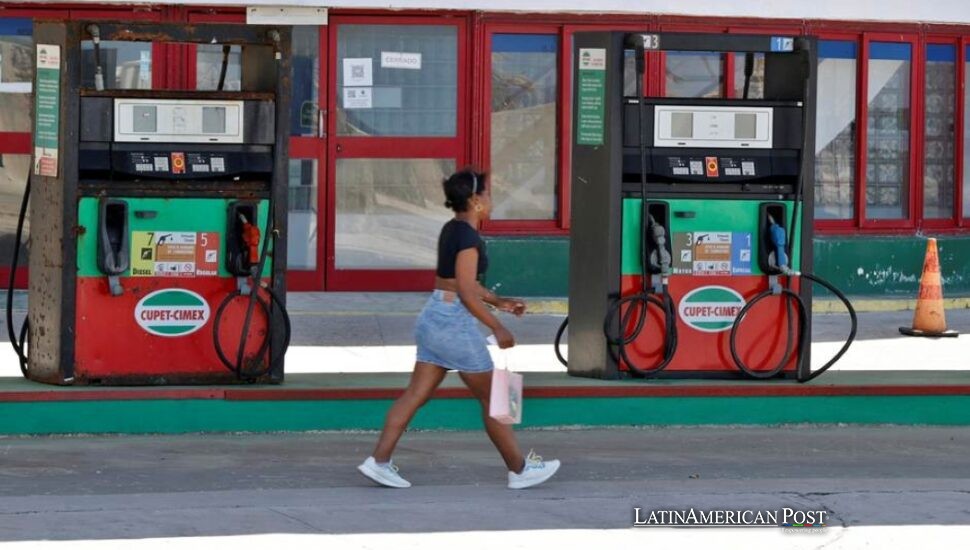
A Russian tanker reaching Cuba is more than an energy story. It is a reminder that in the Caribbean, fuel moves strategically, sanctions shape survival, and Washington and Moscow test each other through the island’s vulnerability.
When Fuel Becomes Foreign Policy
There are moments when geopolitics stops sounding abstract and starts sounding like a generator failing in the dark. Cuba is living one of those moments now. Recently, Russia announced an oil tanker carrying 100,000 metric tons of crude had arrived at the island—the first such delivery in three months. Crucially, Moscow framed the shipment not as a routine commercial act but as proof it would support allies despite a U.S. blockade. In the language of states, this is about supply. In the lived reality of Cuba, it is about blackouts, interrupted care, and a reminder that its energy lifeline still runs through foreign capitals.
The notes show the story’s human core. President Miguel Diaz-Canel said Cuba hadn’t received an oil tanker in three months. The crisis has caused blackouts for 10 million people, and health officials say shortages have raised cancer patients’ mortality risk, especially for children. This detail matters. It puts a human face on the usual rhetoric around sanctions. In Washington, Moscow, and Havana, officials talk policy and interest. But in Cuba, the effects are felt through hospital strain, domestic fear, and the old humiliation of dependence on foreign decisions.
The United States sits at the center of that contradiction. According to Reuters, Washington had cut off Venezuela’s oil exports to Cuba after toppling Venezuelan President Nicolas Maduro on January 3, while President Donald Trump threatened to impose punishing tariffs on any other country sending crude to the island. Then, just as the Russian tanker approached, Trump signalled a reversal and expressed sympathy for the Cuban people’s need for energy. That shift is politically revealing. It suggests that pressure on Cuba remains not only a matter of doctrine but of calibration, mood, and timing. Hard power is applied, then partially softened, with ordinary Cubans left to absorb both phases.
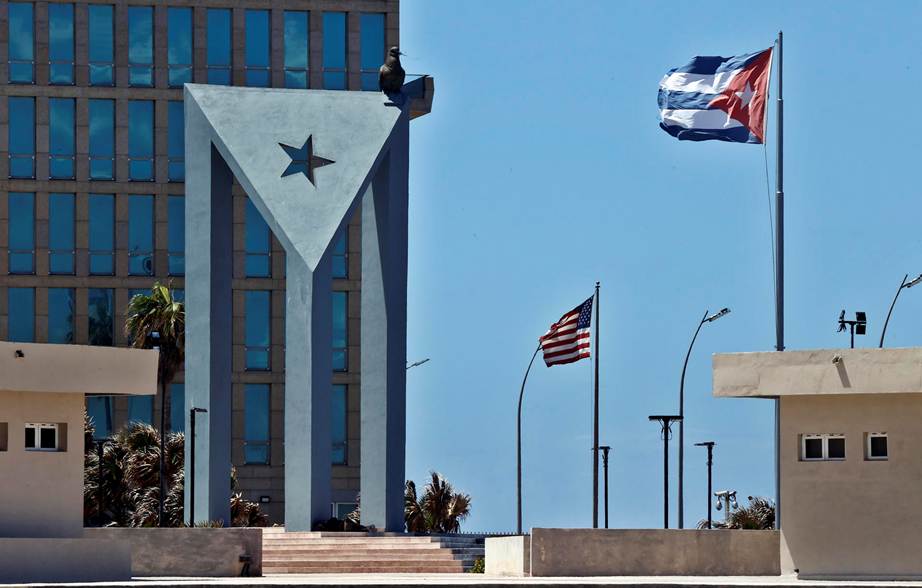
Moscow Finds a Stage in Cuban Darkness
Russia, for its part, has perfectly understood the symbolic value of this moment. The Kremlin said it had raised the issue of the tanker during talks with the United States, and spokesman Dmitry Peskov told reporters that the “desperate situation” facing Cubans could not leave Moscow indifferent. On the surface, that is the language of solidarity. Underneath, it is also the language of positioning. A single shipment to Matanzas lets Moscow present itself as the power willing to act where Washington has restricted, hesitate where Washington has threatened, and gain visibility in a region where symbolism still matters. (Reuters)
That is why this episode feels larger than one tanker named Anatoly Kolodkin waiting to offload crude. It revives an older Caribbean grammar, in which Cuba becomes the point at which great-power messages are delivered through material scarcity. To understand the nuance of this event, it is important to note that Peskov said the tanker had been discussed in advance with American partners. Though easy to miss, that detail is crucial. It means the cargo was never just fuel; instead, it was already part of a negotiation of limits, a test of what Washington would tolerate, and a signal that Russia still sees strategic value in being seen helping Havana endure.
Cuba’s position in this triangle is painful because it’s both active and trapped. The island isn’t passive; it’s trying to survive an energy crisis with what’s available. Still, dependence is clear. Reuters notes Cuba became dependent on the Soviet Union after the 1959 revolution and still relies on imported fuel oil and diesel. That history matters. The Soviet Union is gone, but dependency remains. Again, Havana leans toward Moscow as Washington weighs how much suffering to allow.
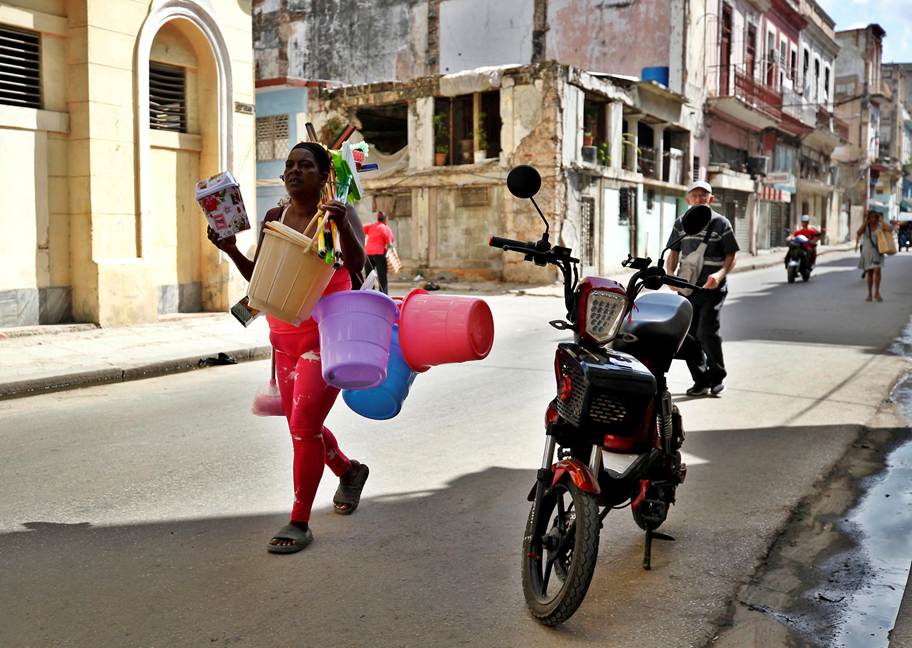
Washington’s Reversal Reveals the Limits of Pressure
Trump’s late sympathy for Cuban energy needs may look, at first glance, like a humanitarian pause. It is that, but not only that. It also suggests a limit to how far the United States is willing to push a blockade when the human consequences become too visible and when Russia is poised to step into the gap. That makes the reversal significant. It implies that U.S. power in the Caribbean remains formidable but not frictionless. Pressure can isolate Cuba. It can deepen scarcity. Yet it can also create an opening for Moscow to claim the more humane role, especially when Cuba’s emergency becomes impossible to separate from civilian suffering.
For Cuba, none of these calculations is academic. Every outside move reshapes the rhythm of internal life. A tanker leaves Primorsk on March 8, moves along Cuba’s northern shore, and suddenly the whole island waits on a maritime route that links Baltic departure, Kremlin messaging, and White House adjustment. That is the real geography of this crisis. It is not just national. It is transnational in the most intimate sense, because a ship’s progress can affect whether homes go dark, whether clinics function, and whether the state can preserve even a minimum of social stability. The human cost is what gives geopolitics its moral sharpness.
What this means for U.S., Cuba, and Russia geopolitics is simple enough to state and hard enough to escape. Washington still tries to turn energy into leverage. Moscow still sees an advantage in proving it can relieve the pressure. Cuba still survives by navigating between punishment and patronage. The arrival at Matanzas does not resolve that triangle. It only exposes it more clearly. One tanker can ease a blackout crisis for a moment, but it also reminds the Caribbean that sovereignty in this corner of the world is still measured not only by flags and speeches, but by who can keep the lights on when the larger powers decide to play again.
Also Read: Cuba Talks Under Pressure as Latin America Watches Sovereignty Shrink