Honduras Pardon Gamble Exposes Trump’s Drug War Double Standard Abroad
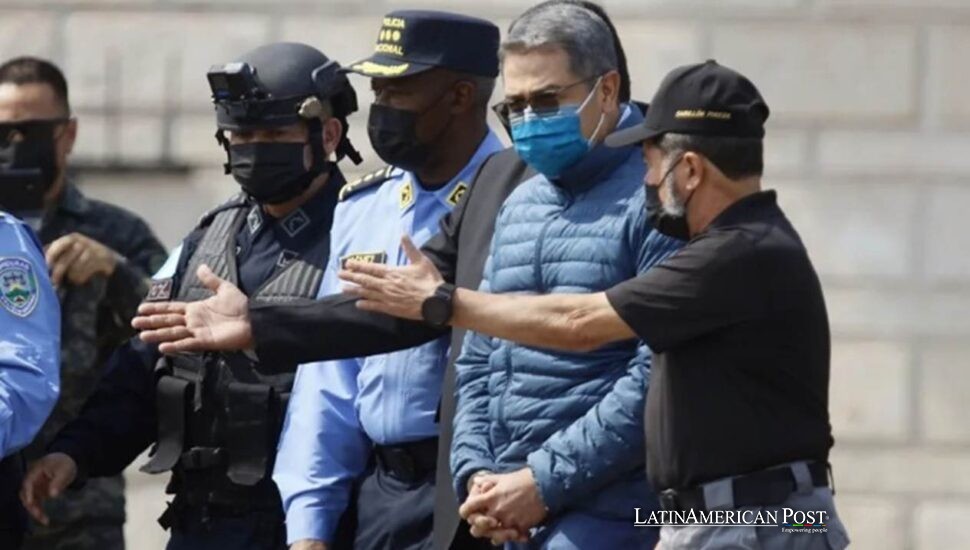
Donald Trump’s promise to pardon ex-Honduran president Juan Orlando Hernández, a convicted narco ally, collides head-on with his Caribbean military build‑up against Venezuela’s Nicolás Maduro, raising awkward questions about justice, geopolitics, and Washington’s shifting friends and enemies in Latin America.
A Pardon Promise That Rewrites The Drug War Script
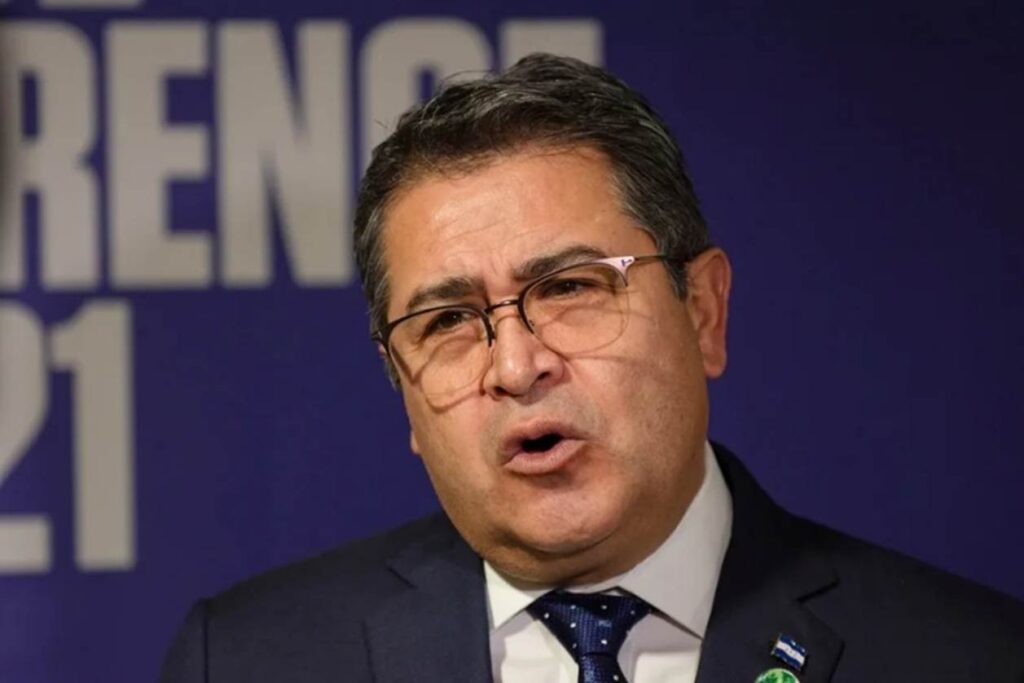
President Trump has vowed a “complete” pardon for former Honduran president Juan Orlando Hernández, who is serving a 45-year sentence in a U.S. prison for helping traffickers move hundreds of tons of cocaine into the United States. According to The Sun, the pledge came in a Truth Social post in which Trump claimed Hernández “has been, according to many people that I greatly respect, treated very harshly and unfairly.”
The promise is extraordinary in its own right. A Manhattan jury convicted Hernández in March 2024 after a two‑week trial where U.S. prosecutors detailed how he allegedly accepted millions of dollars in bribes in exchange for protecting traffickers. Confessed smugglers testified that he shielded major bosses, including Joaquín “El Chapo” Guzmán, co‑founder of the Sinaloa cartel, one of the very organizations U.S. officials now accuse Nicolás Maduro of aiding. Guzmán is already serving a life sentence in the United States; Hernández received 45 years and an $8 million fine.
At his sentencing in June 2024, Hernández insisted he “was wrongly and unjustly accused,” The Sun notes, echoing his long‑standing denials. But Judge P. Kevin Castel called him a “two-faced politician hungry for power,” painting a stark picture of a leader who publicly posed as a U.S. partner while allegedly doing deals with traffickers behind closed doors.
For Washington, dangling a pardon for Hernández while condemning Maduro highlights a double standard that may evoke feelings of injustice and skepticism about U.S. consistency in foreign policy, which is crucial for engaging the audience’s sense of fairness and trust.
Different Rules For Allies And Enemies
Trump’s clemency promise highlights an uncomfortable double standard. On one hand, the president is backing efforts to topple Maduro, a leftist leader with long‑standing antagonism toward Washington, portraying him as a central node in a network of “narco‑terrorists.” On the other hand, Trump is publicly embracing Honduras’ right‑wing National Party, which Hernández led for more than a decade, and endorsing its current presidential hopeful, Tito Asfura.
In his Truth Social post, Trump described the National Party candidate as someone in whom America “has so much confidence,” promising that the United States “will be very supportive” if he wins. “If he doesn’t win,” Trump warned, “the United States will not be throwing good money after bad, because a wrong Leader can only bring catastrophic results to a country, no matter which country it is.”
The Sun reports that Trump did not name the figures who nudged him toward clemency. But the Honduran outlet El Heraldo has previously reported that longtime Trump ally Roger Stone pushed the idea to boost Asfura’s chances. Stone, quoted by The Sun, urged on X: “President Trump should seize this opportunity to strike back at the corrupt, leftist Honduran president Xiomara Castro, who refuses to take back criminal immigrants. #FreeJOH.”
The message is clear: in Washington’s current calculus, ideology and alignment matter at least as much as legal judgments. A left‑wing leader accused of drug ties is treated as an international pariah and potential target for regime change. A right‑wing former president convicted in a U.S. court for enabling traffickers can, in the right political moment, be recast as a victim of harsh justice.
Honduras Votes Under A Shadow Of Influence
All of this is unfolding as Honduras heads into a tense presidential election, which The Sun describes as a tight three‑way race involving Asfura, the ruling left‑wing Libre party’s candidate, and a centrist rival. Trump’s intervention is not subtle. By tying U.S. financial support to a specific outcome and promising to free the former National Party leader, he has inserted himself directly into the country’s domestic politics.
The atmosphere, The Sun reports, is already thick with accusations of fraud and outside meddling. In that context, the image of a U.S. president threatening to withhold money if voters choose the “wrong” leader plays into familiar fears about foreign manipulation—especially in a country with a painful history of coups, corruption, and U.S. interference.
At the same time, Trump is trying to frame his stance as a blow against Castro, whom Stone blasted as a “corrupt, leftist” president who resists deportation policies. The pardon becomes not just an act of mercy for Hernández, but a political weapon aimed at weakening the sitting government and boosting the opposition.
For Hondurans, that creates a strange triangle: a jailed ex‑president convicted of aiding drug cartels, a polarizing right‑wing challenger endorsed from Washington, and a left‑wing incumbent portrayed as soft on criminals and hostile to U.S. interests. Whatever the outcome at the ballot box, the perception that justice and foreign policy can be traded for electoral advantage will be hard to shake.
Credibility, Consequences, And The Wider Drug War
The potential fallout goes far beyond Tegucigalpa. Trump’s strategy against Maduro is built in part on the claim that Venezuela’s government is deeply embedded with cartels. In August, when announcing a $50 million reward for Maduro’s arrest, U.S. Attorney General Pam Bondi declared that he uses foreign terrorist organizations like “TDA, Sinaloa, and Cartel of the Suns to bring deadly drugs and violence into our country.”
Suppose Washington simultaneously pardons a former president convicted of similar conduct. In that case, critics argue, the case against Maduro starts to look less like a principled stand against narco‑corruption and more like a tool selectively deployed against ideological foes.
The potential damage to U.S. credibility from pardoning Hernández could make the audience wary of the reliability of U.S. commitments, underscoring the importance of maintaining trust in international relations.
The risk is not just moral but practical. U.S. drug investigations often depend on cooperation from foreign governments and on the belief that Washington will follow through on its own prosecutions. Suppose a high‑profile conviction can be reversed by political whim. In that case, future partners may hesitate to share intelligence or hand over suspects, fearing the entire process is subject to the following electoral calculation.
Trump’s defenders might argue that Hernández was unfairly targeted or that a pardon could unlock new cooperation from Honduras in controlling migration and crime. But that logic undercuts the hard line being used to justify the Caribbean military build‑up against Maduro. If drug‑linked leaders can be forgiven when it suits U.S. interests, then the war on “narco‑terrorists” begins to look more like a war on inconvenient regimes.
For now, the promised pardon remains just that—a promise, spelled out in a social media post and amplified across Honduran and international media. Whether Trump follows through will shape not only Honduras’s political landscape, but also how the rest of Latin America reads Washington’s intentions. As The Sun’s reporting suggests, the decision could turn Hernández from a cautionary tale into a symbol of a new, more openly transactional era in U.S. drug and foreign policy—where justice is negotiable, and loyalty is priceless.
Also Read: Ecuador On Edge As Noboa Balances War, Austerity, And Power