Latin America Becomes Chessboard as China and Trump Jockey Quietly
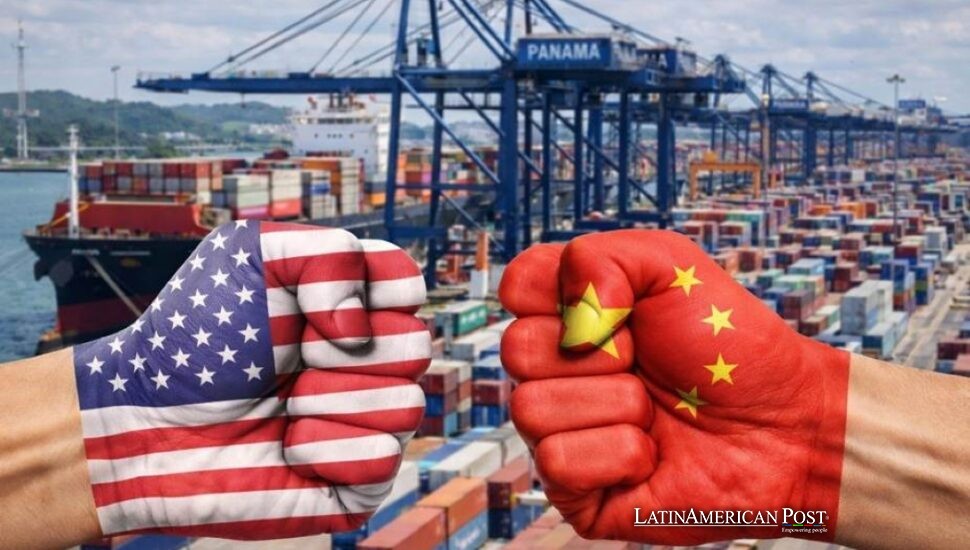
Beijing’s new Latin America policy paper lands days after Donald Trump’s security strategy vows Western Hemisphere primacy. From Panama to Venezuela, ports, minerals, and recognition of Taiwan shape the contest—while ordinary citizens watch superpowers negotiate influence over their futures today.
A Paper Slips Out And The Hemisphere Stiffens
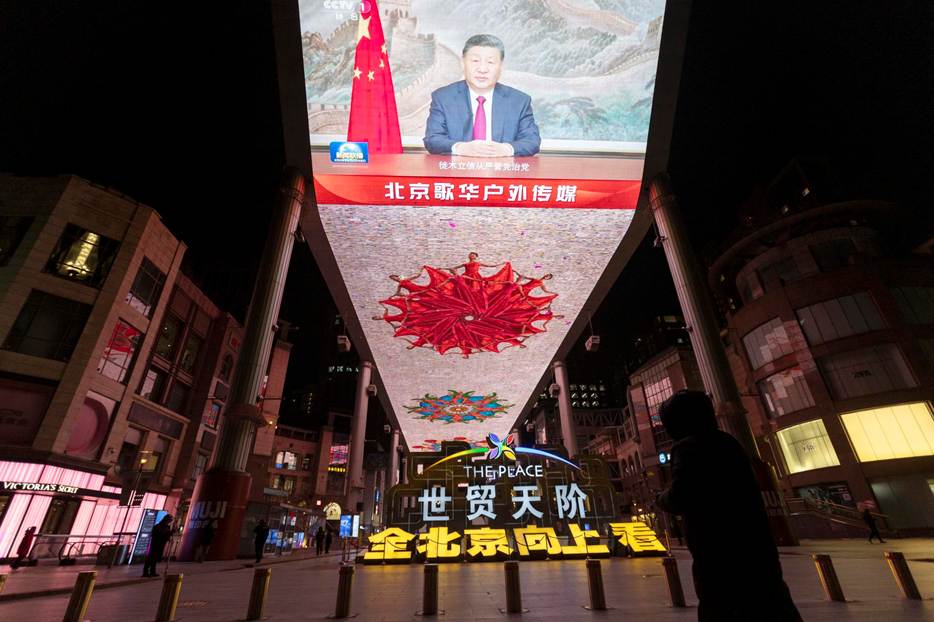
In December, the Trump administration released a national-security strategy pledging to “restore American pre-eminence in the Western Hemisphere” and “deny non-Hemispheric competitors.” As The Wall Street Journal reporter James T. Areddy wrote, Beijing answered within a week with a 6,700-word policy paper on Latin America and the Caribbean, its first on the region in almost a decade. The paper says “China has always stood in solidarity through thick and thin with the Global South,” and it points to a “significant shift” in the international balance of power—language tied to Xi Jinping. China hasn’t said why it published the paper now, but it expands the official 2016 version to include security and governance initiatives.
The footprint is hard to ignore. Areddy reports Beijing now claims 24 regional signatories to the Belt and Road Initiative, up from none before 2017, and has displaced the U.S. as the biggest trading partner for many countries. The Center for Strategic and International Studies in Washington wrote that “Great power competition in the region has only just begun,” arguing China intends to widen diplomatic and economic ties and position itself as an alternative. CSIS co-author Ryan Berg put it more bluntly: “China’s strategy is basically not giving an inch.” Infrastructure spending and the pull of critical minerals, energy, and other natural resources create leverage, while diplomats work embassies and cultivate local political power brokers.
Venezuela Draws Rhetoric As Cuba Flashes On The Radar
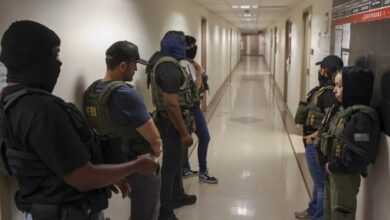
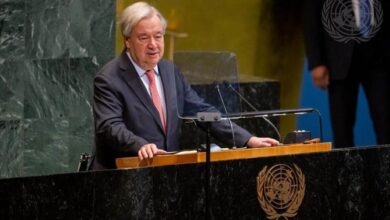
The early stress test is Venezuela, where Trump has made pressuring Nicolás Maduro a marquee goal. China has denounced as illegal hegemony and “unilateral bullying” the U.S. military buildup around Venezuela, including interceptions of oil tankers Washington alleges are part of a sanctions-busting ghost fleet that also transports oil to China. At the U.N. Security Council on Dec. 23, Sun Lei, China’s deputy permanent representative to the United Nations, said, “We stand against any move that violates the purposes and principles of the U.N. Charter.” Areddy notes few expect Beijing to back that line with steps that could trigger a direct military confrontation with the U.S.; most support is likely to remain rhetorical.
Beijing has tested the atmosphere with imagery. China Central Television aired a computer wargame in the Western Hemisphere, showing Chinese “red” forces facing “blue” ships and aircraft around Cuba and Mexico. Leland Lazarus, a Miami-based risk consultant, said Washington worries about Chinese “strategic support points” that could turn ports into military logistics hubs, including in Cuba. An unclassified Defense Department report to Congress in December cited Cuba as the only nation in the Americas where China may have considered a base, noting soft-power inroads and satellite help. With trade in agriculture and rare-earth minerals kept flowing but sensitive technology exports tightened, White House deputy press secretary Anna Kelly said the administration has moved “with historic speed to restore American strength at home and abroad and bring peace to the world.”
Panama Ports And Taiwan Ties Become Bargaining Chips
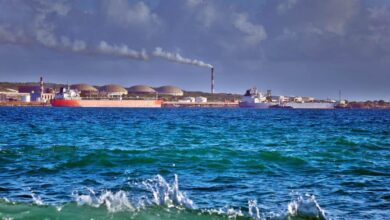
Panama makes the rivalry tangible. Trump vowed to retake control of the Panama Canal and, after taking office in January, said China wielded too much influence in a country that uses dollars as its official currency. Panama then moved to withdraw from the Belt and Road Initiative, and its president skipped Xi’s summit in May. In March, Trump welcomed a plan for a BlackRock-backed group to buy control of container-handling ports at either end of the canal from a Hong Kong company that has managed them since 1996. The Journal reported Beijing is pressing to reshape the deal so control shifts to Cosco, the shipping group owned by China. Last weekend, an order to demolish a Chinese-built friendship park near the waterway drew an angry response from Beijing’s embassy in Panama City.
Beijing’s paper draws a line around Taiwan. Areddy reported Latin America and the Caribbean hold seven of the 12 governments that recognize the island, including Guatemala, Paraguay, and Haiti. China offers unspecified benefits for accepting “One China,” and several have switched, including Panama. Yet Honduras elected Nasry Asfura, a Trump-backed candidate who opposed the country’s 2023 shift to Beijing and said he would consider restoring ties with Taiwan. The U.S. strategy’s “Trump Corollary” to the Monroe Doctrine—a 19th-century warning to European powers—warns of “espionage, cybersecurity, debt-traps” and vows America will be “the partner of first choice.” Leland Lazarus called the neocolonial language a “narrative gift” to Beijing—and, for many in the region, pressure that rarely feels voluntary, especially now.
Also Read: Latin America Under Trump 2025: Ports, Prisons, and Tariffs Rewrite Regional Politics