Panama Court Ruling on Canal Ports Reopens Sovereignty and Trust Debate
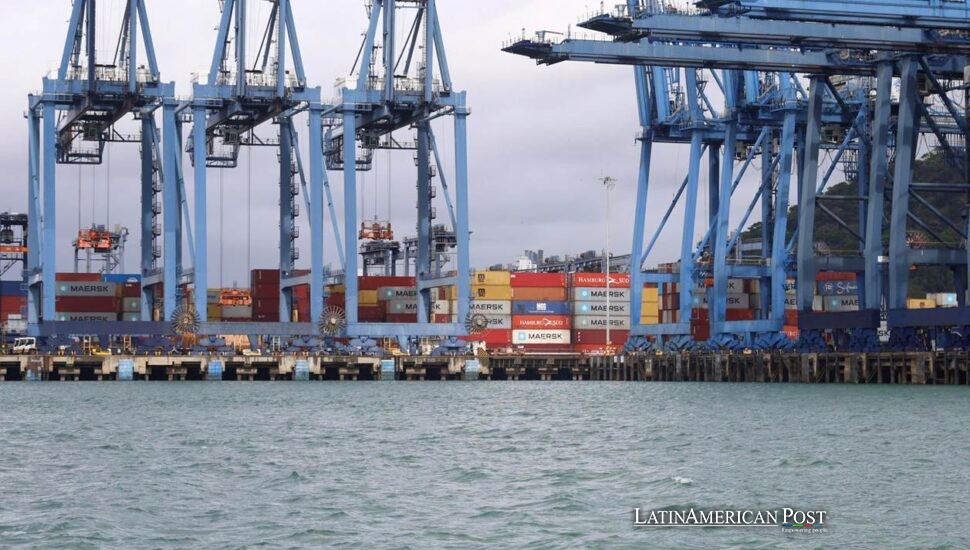
Panama’s court decision to void the port concession marks a pivotal moment that directly affects Panama’s sovereignty and international relations, making it highly relevant to audiences interested in global politics and trade.
The Day a Contract Became a Question of Ownership
On the edge of the Canal economy, the micro scene is not a speech. It is a shift change. A port keeps time in movements, not headlines—metal groans. The air carries a faint mix of salt and fuel. A crane swings, then steadies. Somewhere in that choreography, a legal decision arrives from far away and still changes the day.
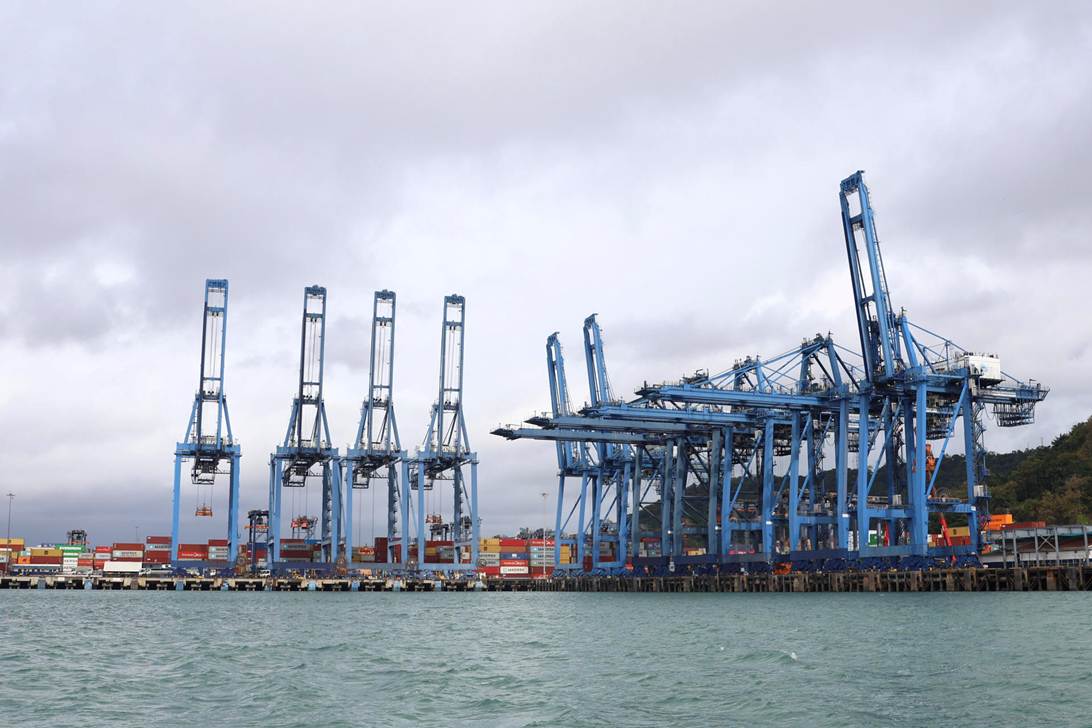
Panama is treating the exit of the Hong Kong conglomerate CK Hutchison from operating two ports near the Canal as a done deal. Those ports are Balboa on the Pacific side and Cristóbal on the Atlantic side, operated by Panama Ports Company, a CK Hutchison subsidiary. The Supreme Court of Justice declared unconstitutional the 1997 contract that granted a 25-year concession, along with its addenda and the automatic extension in 2021. In practice, that ruling rendered the entire structure void. The decision answered two lawsuits filed in July 2025 by Panama’s comptroller general, Anel Flores.
The trouble is that port contracts are never only commercial documents in Panama. They are also political memory. The Canal was built and administered by the United States for more than 80 years in the twentieth century and transferred to Panama 26 years ago. That history sits behind every argument about who controls what near the waterway and what foreign influence looks like when it arrives through corporate paperwork rather than uniforms.
For years, the concession has been surrounded by accusations of unfavorable terms and supposed corruption. Panama owns 10 percent of PPC, a detail that turns a corporate dispute into a debate about the state’s own stake and responsibility. Many sectors had long expected the arrangement to end. It ended now, amid rising pressure from Washington and Beijing and an immediate domestic demand: if there is a new tender, it must be open and transparent.
A Contract Criticized for Decades, Then Cut Off by the Court
The sharpest critiques in the notes are not technical. They are moral and political.
Analyst José Stoute said the PPC deal “was one of the worst contracts that the Republic of Panama has signed,” he told EFE. He argued that allegations of broad and evident corruption date back to the government of Mireya Moscoso, which changed the financial structure of the agreement, thereby reducing the company’s payments to the state.
Economist and businessman Felipe Argote framed the public mood in simpler terms. “Nobody sheds a tear for Panama Ports, because they have not paid what corresponds,” he told EFE.
Stoute added that the contract showed signs of unconstitutionality and that the United States triggered CK Hutchison’s exit from Panama. “It could not be clearer,” he told EFE.
Understanding the court’s ruling as both a constitutional correction and a geopolitical move helps the audience grasp how larger forces, like U.S. and Chinese influence, shape Panama’s future.
The notes tie this directly to U.S. politics. CK Hutchison’s presence in the ports became the basis for Donald Trump’s threat to recover the interoceanic Canal. Trump also treated as an achievement a purchase agreement reached in early 2025 between CK Hutchison and a consortium led by the U.S. giant BlackRock, part of a global transaction involving more than 40 terminals and nearly $ 23 billion. Beijing stopped that operation. Another section of the notes describes the same global deal as involving BlackRock and the Swiss shipping company MSC, and says China has threatened to block it unless the state shipper Cosco obtains a majority share in the consortium.
The everyday observation implied by all of this is easy to miss: a port can be profitable, strategic, and legally fragile at the same time. A contract can look stable for years until the day it does not.
A Transition Plan and a Tender That Must Withstand Suspicion
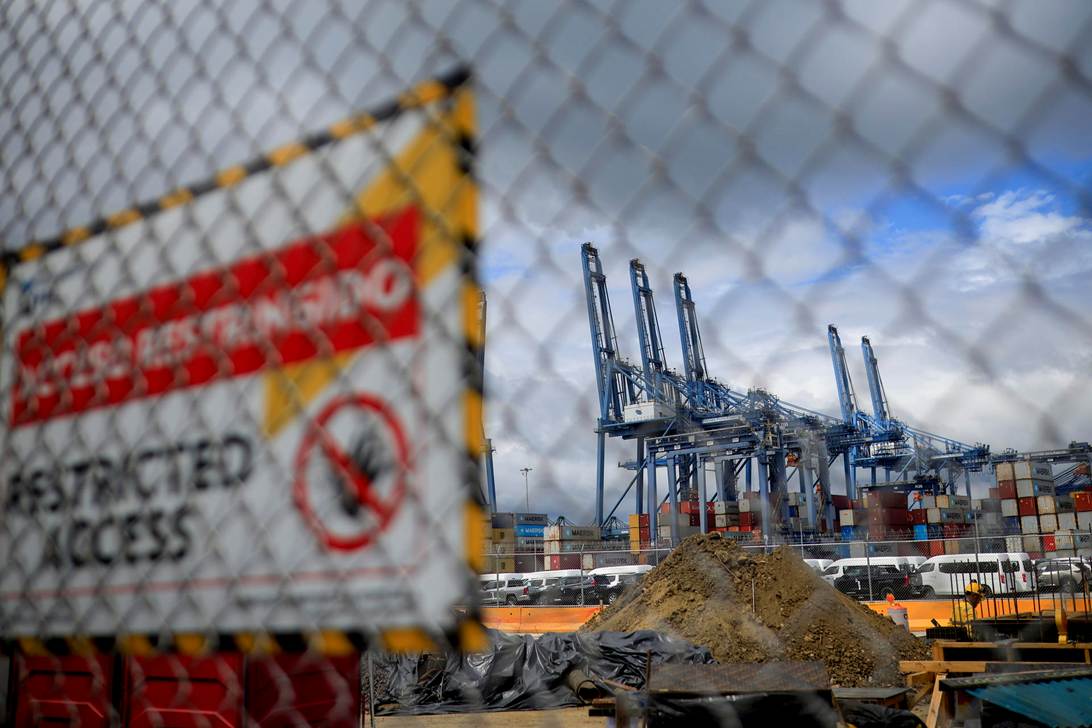
Panama’s president, José Raúl Mulino, announced a new concession process for the two ports. Until the Supreme Court ruling is executed, PPC will continue operating them. Stoute expects that execution to happen very soon. After that, the notes say, a transition period begins in which APM Terminals Panama, a subsidiary of AP Moller Maersk, will temporarily assume operation.
Panama’s promise of an open, participatory process aims to reassure the audience that the transition will be transparent and legitimate, safeguarding national interests.
Argote warned that the transition involves complex legal and operational challenges, emphasizing that managing infrastructure and liabilities is crucial to a smooth handover.
That line has weight because it describes the central risk. Panama can cancel a contract, but it still has to run the ports. It has to manage people, equipment, legal aftermath, and operational continuity. The scene at the docks does not pause while lawyers interpret a ruling.
The Panama Maritime Chamber has demanded clarity on what comes next. It is indispensable to have a clear understanding of the parameters, criteria, and timelines for new concessions, as well as the guidelines for future concession contracts. These details have not yet been revealed. It asked for guarantees of open and transparent participation by all actors, local and international. It welcomed Mulino’s message that there will be an orderly transition and continuity of operations while a new concession is defined.
A separate set of notes frames the Supreme Court ruling as a new chapter in the geopolitical battle between the United States and China. It adds that PPC argues the decision lacks legal basis and warns it may pursue national and international legal avenues, even though there is no appeal to the ruling, only possible requests for clarification. It also provides background on CK Hutchison, one of Hong Kong’s most prominent companies, valued at more than 19 billion dollars, owned by the magnate Li Ka-shing, described as 97 years old and among the wealthiest in Asia, with operations in more than 50 countries and around 300,000 employees.
Panama is now in the narrow space between two truths. The first is constitutional: a court has declared a concession void, and the state must reassign it. The second is geopolitical: any choice made near the Canal will be read abroad as alignment. The wager here is that a transparent process can protect Panama from both forms of pressure, the domestic suspicion that this will repeat old patterns and the external pressure that treats Panamanian ports as pieces on someone else’s board.
Also Read: Colombian Petro Walks Away from Trump Meeting with a MAGA Hat