Paradise to Launchpad: How Puerto Rico’s Old U.S. Bases Are Being Reawakened for a New Latin American War
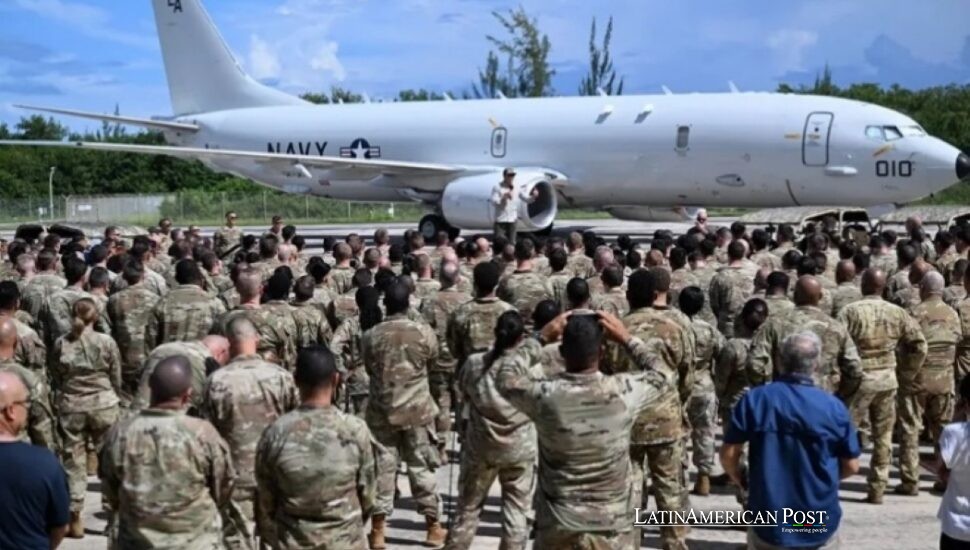
After U.S. strikes in Venezuela and the capture of Nicolás Maduro, fighter jets and drones flew over Puerto Rico beaches. In Ceiba and Aguadilla, previously quiet bases became active under Donald Trump’s “Western Hemisphere” doctrine, altering routines and raising locals’ anxieties.
Waves, Then Warplanes
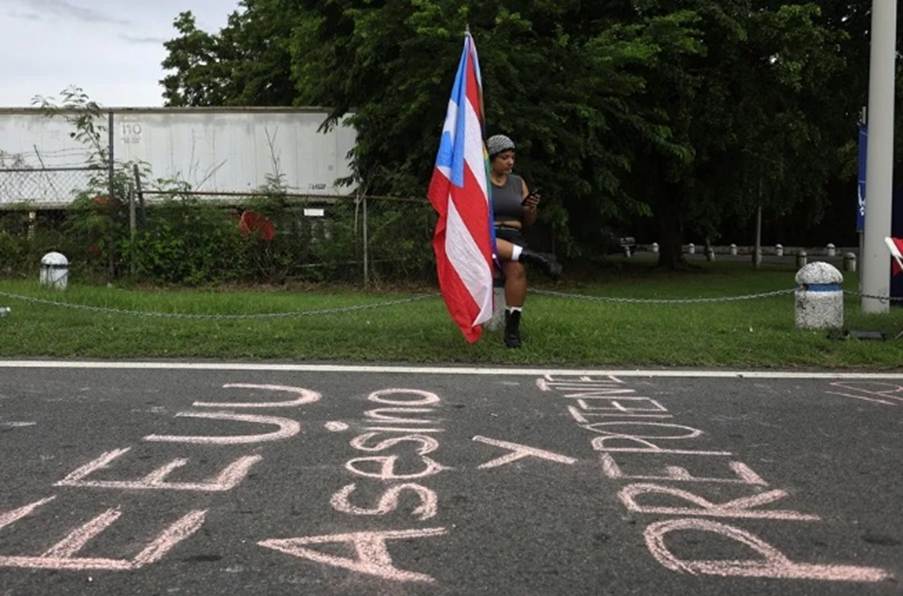
One day after the United States attacked Venezuela and captured its ruler, Nicolás Maduro, beachgoers on Puerto Rico’s northwestern coast heard the sky take over. The sound of the surf was lost to the rumble of military aircraft.
Fighter jets and Reaper drones replaced normal sounds. Air facilities at a former U.S. base have become more important in President Donald Trump’s plan to promote “American dominance in the Western Hemisphere.” In Latin America, that phrase carries history—discussed by families after the planes go.
Adapted from NBC NEWS reporting by Nicole Acevedo, this story follows the aftershocks on the ground. Puerto Rico has long been a crucial U.S. military asset. Much of its infrastructure went quiet after the Cold War, amid spending cuts and local opposition over environmental and health effects.
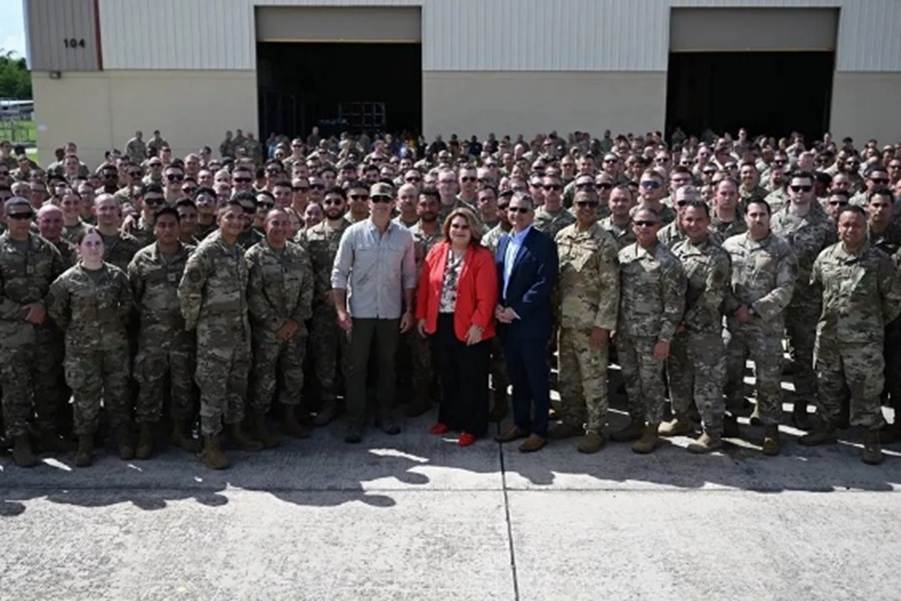
At a Tuesday news conference, National Guard Brig. Gen. Arthur Garffer, the island’s secretary of public safety, framed the revival as policy. “Puerto Rico is the center of gravity for continuing to advance national policy in the Caribbean and in Latin America,” he said. He added that Trump’s security agenda makes the island’s “crucial geostrategic and geopolitical role” unmistakable.
Roosevelt Roads Reopens, and Memory Follows
In Ceiba, the noise doesn’t just arrive; it returns. Marisa Carreras, 75, remembered relatives who worked at Roosevelt Roads Naval Base before it closed in 2004. “It doesn’t bother me. I grew up with that,” she said. She added that last weekend was the most active it has been since then.
The week after Maduro’s capture, thousands of Army Reserve soldiers arrived for previously scheduled exercises. The Navy leased part of the Ponce airport for logistics and maneuvers.
Air facilities at Ramey Air Force Base in Aguadilla were reactivated in late August, more than 50 years after they closed. Roosevelt Roads Naval Station in Ceiba—shuttered over two decades ago after mass protests over civilian deaths and environmental concerns—was also reactivated. The reopenings preceded a broad U.S. deployment across the Caribbean over the past five months, overlapping with dozens of strikes on boats the Trump administration said were smuggling drugs.
Then came Saturday. Hours after the early-morning strike that captured Maduro, videos of aircraft over Ceiba spread across social media. The next day, a dozen Air Force F-22 Raptors were seen departing Puerto Rico. They had landed there after the attack on Venezuela.
Carreras remembered celebrating July 4th on base. “I still have a little bracelet I bought at the exchange store one of those days,” she said. The Navy Exchange building now sits empty. Its facade is crumbling.
Outside his small business selling empanadillas, Osvaldo Medina Flores recalled how “everyone in Ceiba used to work at the base.” “It was a tremendous economic boost,” said Medina Flores, who has lived there for 32 years. Despite redevelopment attempts, the 8,000-acre base remained mostly abandoned for the past 20 years.
Between Revival and Unease
On Wednesday afternoon, Orlando Rocafort, a Navy veteran, fished at one of the base’s abandoned docks. He pointed across the water to a neglected hospital building. “He was born right there,” he said in Spanish, recalling his 24-year-old son’s birth. “It was beautiful — there were times when I would spend months without leaving the base, because they had everything.” “It’s sad to see how the buildings look now,” he added. Overgrown vegetation has hidden what used to be the commissary from the road.
Across the waterfront, Rocafort said he spotted F-35 fighter jets taking off. It made him wonder whether the growing military presence would be “a temporary thing” and remain “relatively small” compared with Roosevelt Roads back in the day.
Near an abandoned station inside the base, Higinio Diaz, 49, raced Speedrun cars, traveling from Guaynabo, 50 miles away. “Today is one of the busiest days since I started coming,” he said.
A sign on the road advertises the Puerto Rican government’s latest redevelopment push for Roosevelt Roads. It promises economic, social, and tourism renewal with infrastructure reconstruction underway. Medina Flores remains skeptical. “More needs to be done,” he said. However, he sees a small opening in the partial reactivation.
For Puerto Rico, the engines overhead serve as a reminder that the island can become part of a broader strategy overnight—bringing the possibility of jobs, uncertainty, and ongoing questions about local control and the island’s future.
Also Read: Brazil’s Lula Walks a Tightrope After Maduro’s Sudden Capture Abroad