Venezuela Tanker Blockade Turns Oil Into a High Seas Thriller
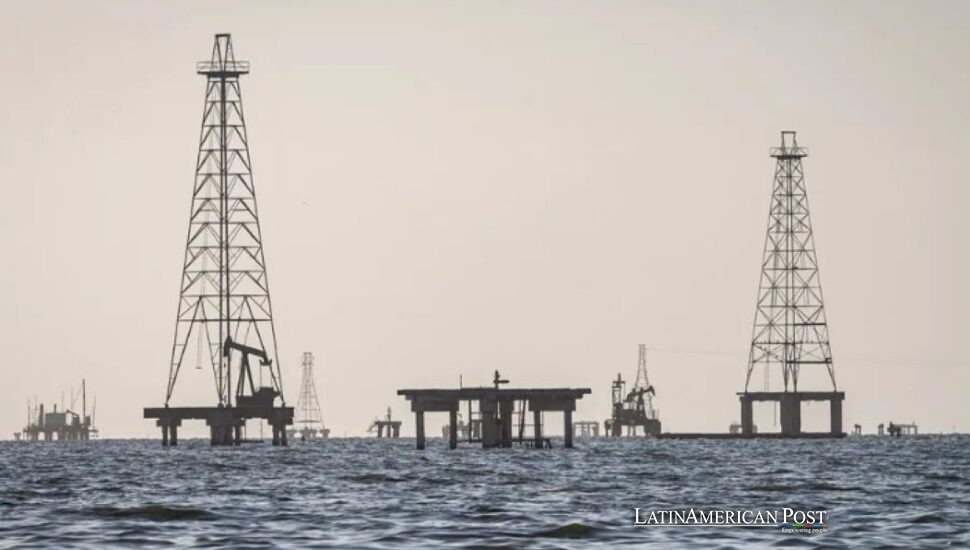
A Venezuelan oil blockade ordered by Donald Trump jolts PDVSA, spooks tanker crews, and forces Chinese buyers to demand steeper discounts. As Nicolás Maduro vows resistance, ships go dark, crude piles up, and regional tension escalates from ports to palaces.
Blockade Order, Familiar Tremor
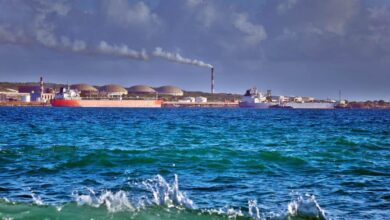
Along Venezuela’s coast, tankers can sit close enough to see the shoreline yet far enough to feel abandoned. On Tuesday, U.S. President Donald Trump said the Venezuelan leadership was a foreign terrorist organization and ordered “A TOTAL AND COMPLETE BLOCKADE OF ALL SANCTIONED OIL TANKERS” moving in or out of Venezuela, according to Reuters. The post followed last week’s seizure of a sanctioned tanker and comes amid more than two dozen U.S. strikes on vessels near Venezuela in the Caribbean Sea and Pacific Ocean, killing at least 90, Reuters reported; Trump has said land strikes will soon start.
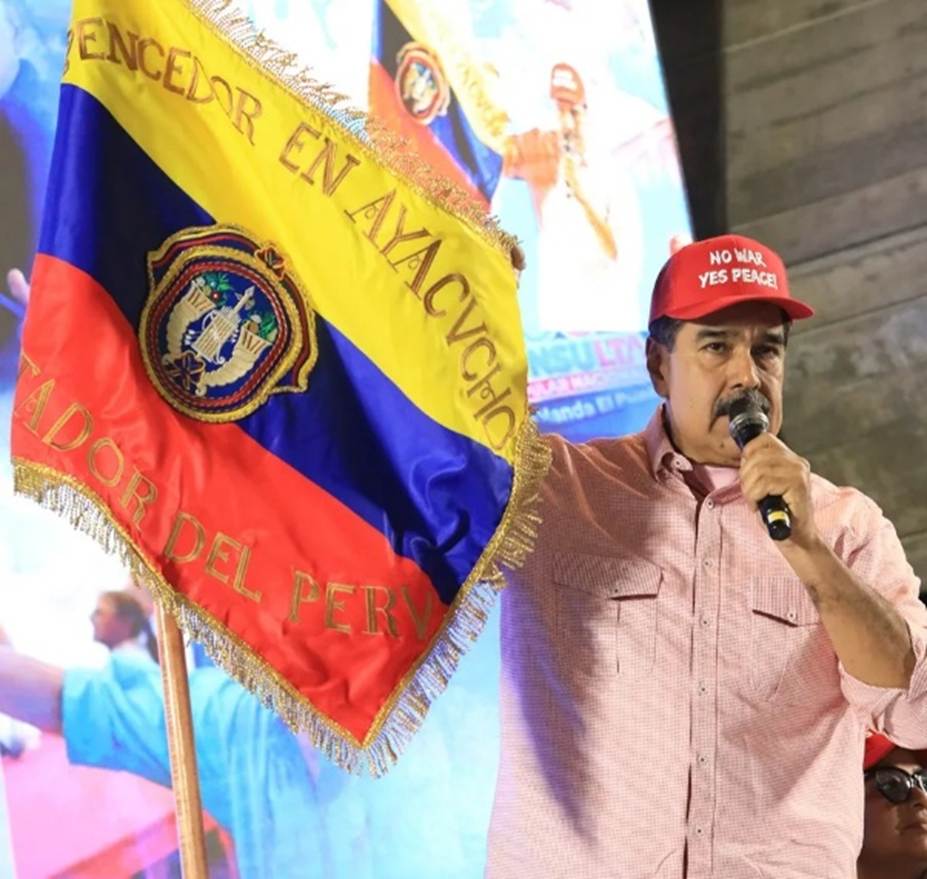
Officials in Caracas did not immediately respond to Reuters. But Nicolás Maduro, speaking on Tuesday evening, framed the blockade as a bid to seize resources: “Imperialism and the fascist right want to colonize Venezuela to take over its wealth of oil, gas, gold,” he said, adding that “in Venezuela peace will triumph,” according to Reuters. In Latin America, where commodity revenue underwrites imports and public paychecks, a maritime choke point is never just a nautical one.
Discounts Widen, Ships Darken
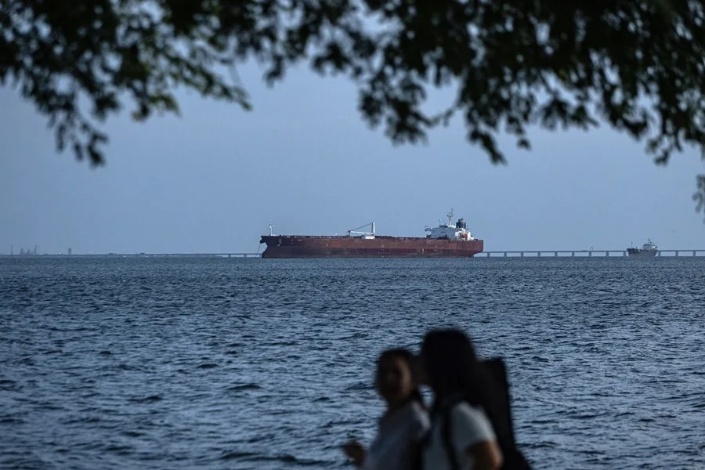
Traders and sources told Reuters that Venezuela’s oil customers—especially refiners in China—are demanding deeper discounts and looser spot terms from state-run PDVSA. The U.S. Coast Guard intercepted the tanker Skipper near Venezuela’s coast, the first seizure of oil cargo from the country, Reuters reported, and Washington also sanctioned six ships and their linked companies. Even before that, PDVSA was juggling cargoes stuck in Venezuelan waters and tankers making U-turns at owners’ request.
That anxiety is visible in the price tag. Reuters reported that Merey heavy crude bound for China was trading at up to $21 per barrel below Brent, widening from about $14–$15 last week. Traders said the jump mostly reflects a “war clause”—a premium vessel owners demand to cover interceptions and delays under the U.S. military presence in the Caribbean. Researchers in Energy Policy and the Journal of Energy Economics have described the same mechanism: sanctions become shipping risk, and shipping risk becomes a discount.
Sovereignty Under Renewed Pressure
Sanctions first hit PDVSA in 2019, pushing it away from U.S. Gulf refiners and into a shrinking circle of buyers. Now, Chinese customers can also choose discounted barrels from Russia and Iran, also under sanctions, Reuters reported, and they are pressing PDVSA to relax rules. Some want the company to drop its prepayment requirement in digital currency before a tanker can sail; others want demurrage reimbursed for days lost at sea. A company source warned Reuters that, if risks rise and terms stay rigid, customers could start asking for cargoes back.
Not every ship is treated the same. PDVSA’s joint-venture partner Chevron remains the only exporter moving crude without delays, Reuters reported, while sanctioned shippers slip out in “dark mode,” transponders off. A Chevron-chartered tanker, the Ionic Anax, sailed on Tuesday toward the United States; another, the Minerva Astra, was set to load at Bajo Grande, with LSEG data cited by Reuters. In practice, the blockade separates the licensed from the hunted.
The math of dependence is stark. This year, China received 55%–90% of Venezuela’s monthly exports, up from 40%–60% last year; in November, exports totaled 952,000 barrels per day, with 778,000 bpd to China, according to ship-tracking data cited by Reuters. Analysts warned Reuters that supplies in China could shrink in February if tankers already loaded cannot leave. As of this week, more than 11 million barrels were stuck on vessels awaiting deals, and a cyberattack forced a temporary suspension of deliveries at terminals, Reuters reported. Oil Minister Delcy Rodríguez said operations would not be interrupted by the U.S. actions, according to Reuters—but research in World Development suggests that in rentier states, any disruption ripples into paychecks, imports, and household stability. In Venezuela, the sea’s silence carries an unmistakable political echo.
Also Read: Venezuela Tanker Seizure Exposes Shadow War Over Sanctioned Oil Trade