Venezuela Tanker Seizure Exposes Shadow War Over Sanctioned Oil Trade
As US helicopters skim low over the Caribbean, the seizure of a sanctioned super‑tanker carrying Venezuelan crude turns maritime law, global oil markets, and Latin America's history of intervention into a single, combustible story watched anxiously from Caracas to Washington.
Helicopters, Ropes, And A Tanker Called Skipper
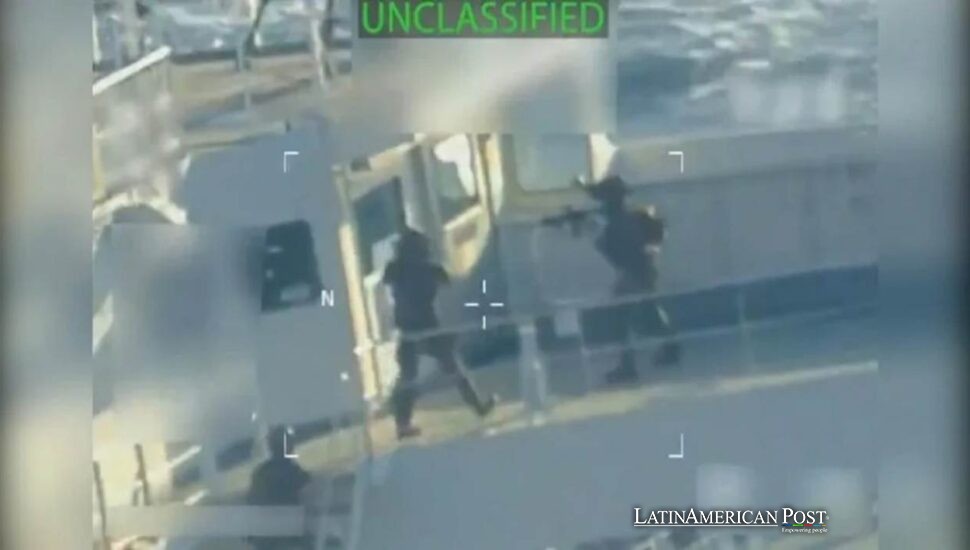
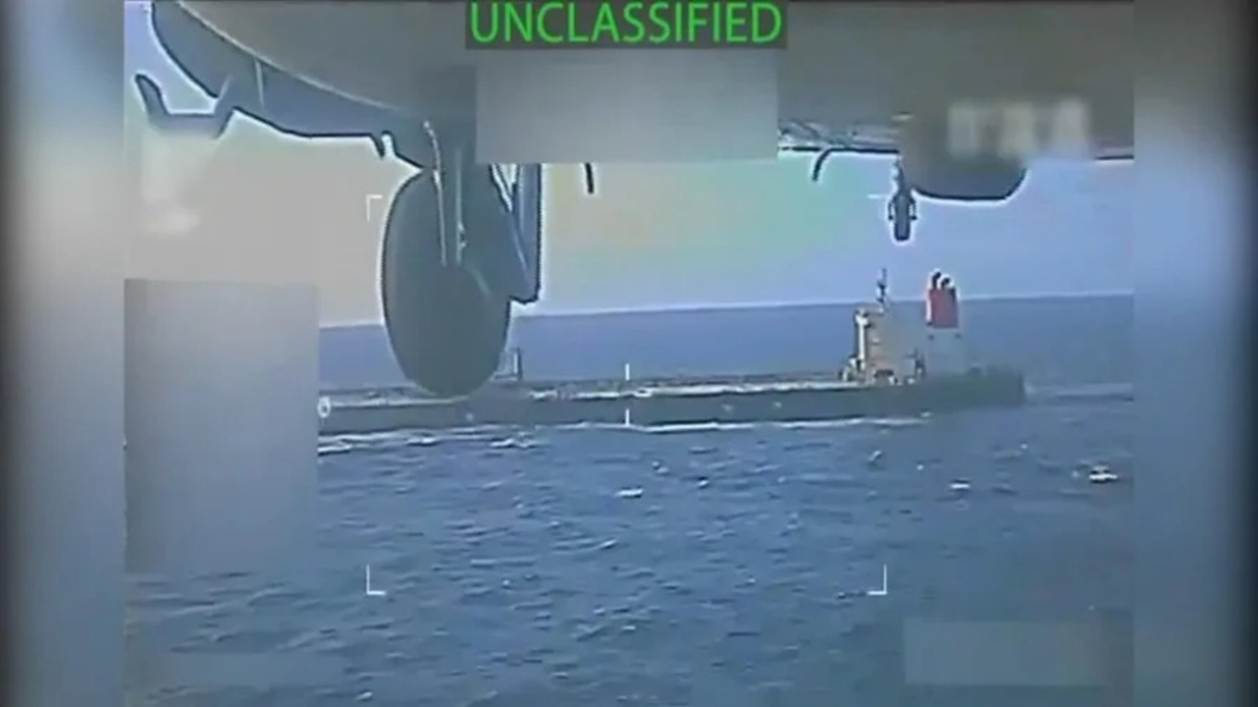
The images are almost cinematic: a US helicopter hanging in the haze above a vast blue sea, ropes whipping downward toward the deck of a towering oil tanker. Armed, camouflaged soldiers slide one by one onto the steel surface, rifles raised, moving with the practiced choreography of a raid. The operation, shown in a 45-second clip released by the US government and circulated on social media by Attorney General Pam Bondi, is not a movie scene. It is the latest escalation in Washington's pressure campaign against the government of Nicolás Maduro in Venezuela, as reported by The BBC.
According to coverage by The BBC, President Donald Trump told reporters that the United States had just seized a "huge" tanker off the Venezuelan coast, calling it the biggest of its kind ever taken. The raid, carried out by the US Coast Guard with support from the FBI, Homeland Security Investigations, the Department of Defense, and the US Navy, involved two helicopters, about 10 marines, 10 Coast Guard personnel, and special operations forces. In the video, the boarding team patrols the deck with weapons drawn; no crew members are visible.
The boarding was led by an elite unit, the Maritime Security and Response Team, a branch of the US Coast Guard created in the aftermath of the September 11, 2001 attacks. Trained in counterterrorism and what officials call "high‑risk" boardings, its fast‑rope descent onto the tanker's deck is a visual symbol of how the "war on terror," the "war on drugs," and the geopolitics of oil have fused into a single theater. A senior military official quoted by CBS News, a partner of The BBC in the United States, said the vessel had just left a port in Venezuela when it was intercepted.
For Foreign Minister Yván Gil in Caracas, that video symbolizes not just law enforcement but regional security risks, as it underscores how US actions and illicit networks threaten stability across Latin America, making the audience feel the broader implications of these tensions.
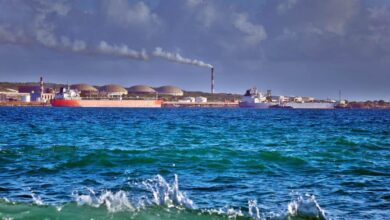
Maritime risk company Vanguard Tech identified the seized vessel as the Skipper, a tanker that has sailed under other names, Toyo and Adisa, since it was built about 20 years ago. At roughly 333m (1,092 ft) long and 60m wide, the Skipper is categorized as a Very Large Crude Carrier (VLCC), the kind of steel giant that quietly underpins the global economy. Vanguard Tech and other analysts describe it as part of a so‑called "dark fleet" of older ships that carry sanctioned cargoes, allegedly masking their movements by turning off tracking transponders or "spoofing" their location.
According to analysis cited by Reuters and relayed by The BBC, using data from TankerTrackers.com and the Venezuelan state oil company PDVSA, the Skipper is believed to have departed the oil port of José on 4 or 5 December with about 1.8 million barrels of heavy crude on board, transferring roughly 200,000 barrels to another vessel before the raid. At a global crude benchmark of around $61 (£46) a barrel, that volume could be worth more than $95m if the remaining cargo is near 1.6 million barrels, though The BBC notes that the exact amount of oil has not been independently verified.
BBC Verify, using data from the ship‑tracking platform MarineTraffic, located the tanker sailing under the flag of Guyana shortly before the seizure. Yet the Guyana Maritime Administration Department later stated that the Skipper was "falsely flying" the Guyana flag and was not registered there, another layer of misdirection in a trade that thrives on blurred identities and shifting legal jurisdictions. Records show the vessel was last near Iran in mid‑September before appearing off Guyana at the end of October, a track that may itself be distorted by spoofed signals.
Sanctions have followed the tanker for years. The US Treasury Department designated the Skipper in 2022 for allegedly moving oil in schemes that generated revenue for Hezbollah in Lebanon and the Islamic Revolutionary Guard Corps–Quds Force in Iran. In statements reported by The BBC, Pam Bondi underscored that Washington had long targeted the tanker for its role in an "illicit oil shipping network supporting foreign terrorist organizations." Asked by reporters what would happen to the oil, President Donald Trump, in remarks relayed by The BBC, mused that the United States might keep it.
A Dark Fleet On The Edges Of The Map
Behind these dramatic images lies a quieter transformation of the seas. Research in journals such as Energy Policy and the Journal of Latin American Studies has documented how sweeping economic sanctions push trade into legal gray zones: elderly tankers reflagged under distant registries, ship‑to‑ship transfers carried out at night, and satellite positions manipulated to confuse regulators. The term "dark fleet" captures both the opacity of these networks and the risks they pose to ecosystems, sailors, and states trying to enforce or circumvent sanctions.
For Venezuela, this shadow shipping economy is bound to a painful reality on land. The country sits atop the world's largest known reserves of crude oil, much of it extra‑heavy and viscous. Energy economists have long noted that exploiting such crude requires specialized equipment, foreign capital, and stable technical management. Instead, years of underinvestment, corruption scandals, and the exodus of skilled workers from PDVSA have intersected with US sanctions to erode refineries, pipelines, and basic maintenance. Scholars and humanitarian agencies alike describe an oil‑rich nation where blackouts, fuel shortages, and mass migration coexist with tankers full of crude quietly departing ports like José.
Seen from a hillside barrio overlooking Caracas, the seizure of the Skipper is not just a story about international law. It is also about the price of cooking gas, the possibility of buying school shoes in dollars sent by relatives abroad, and the feeling that decisions made in Washington, Tehran, or a distant compliance office in New York can determine whether the lights stay on.
Old Wounds, New Sanctions, And A Region Holding Its Breath
The tanker raid is only one chapter in a broader campaign. Over the past year, the administration of President Donald Trump has made the fight against fentanyl and cocaine a central priority, tying Venezuela directly to US domestic anxieties. Tren de Aragua and the Cartel de los Soles, two Venezuelan criminal organizations, have been designated as Foreign Terrorist Organizations, with President Nicolás Maduro himself accused of leading the latter. Without presenting evidence to the public, Trump has also alleged that Maduro has "emptied prisons and insane asylums," forcing inmates to migrate toward the United States, linking Venezuelan migration to security threats and his broader effort to restrict immigration.
Militarily, the numbers are stark. Around 15,000 US troops, along with aircraft carriers, guided-missile destroyers, and amphibious assault ships, including the USS Gerald Ford, billed as the world's largest warship, have been deployed across the Caribbean. From early September onward, US forces have launched more than 20 strikes in international waters on boats alleged to be carrying drugs, with over 80 people reported killed. The US government describes this as a "non‑international armed conflict" against "narco terrorists," language designed to place these operations within the laws of war.
Yet many legal scholars, including those writing in the American Journal of International Law, argue that such designations do not automatically turn suspected traffickers into lawful military targets. They question the legality of lethal force far from any traditional battlefield and warn that the flexible use of labels like "terrorist" risks eroding long‑standing protections in international humanitarian law. In Latin America, where memories of past "wars" on communism and drugs remain raw, these concerns are not abstract.
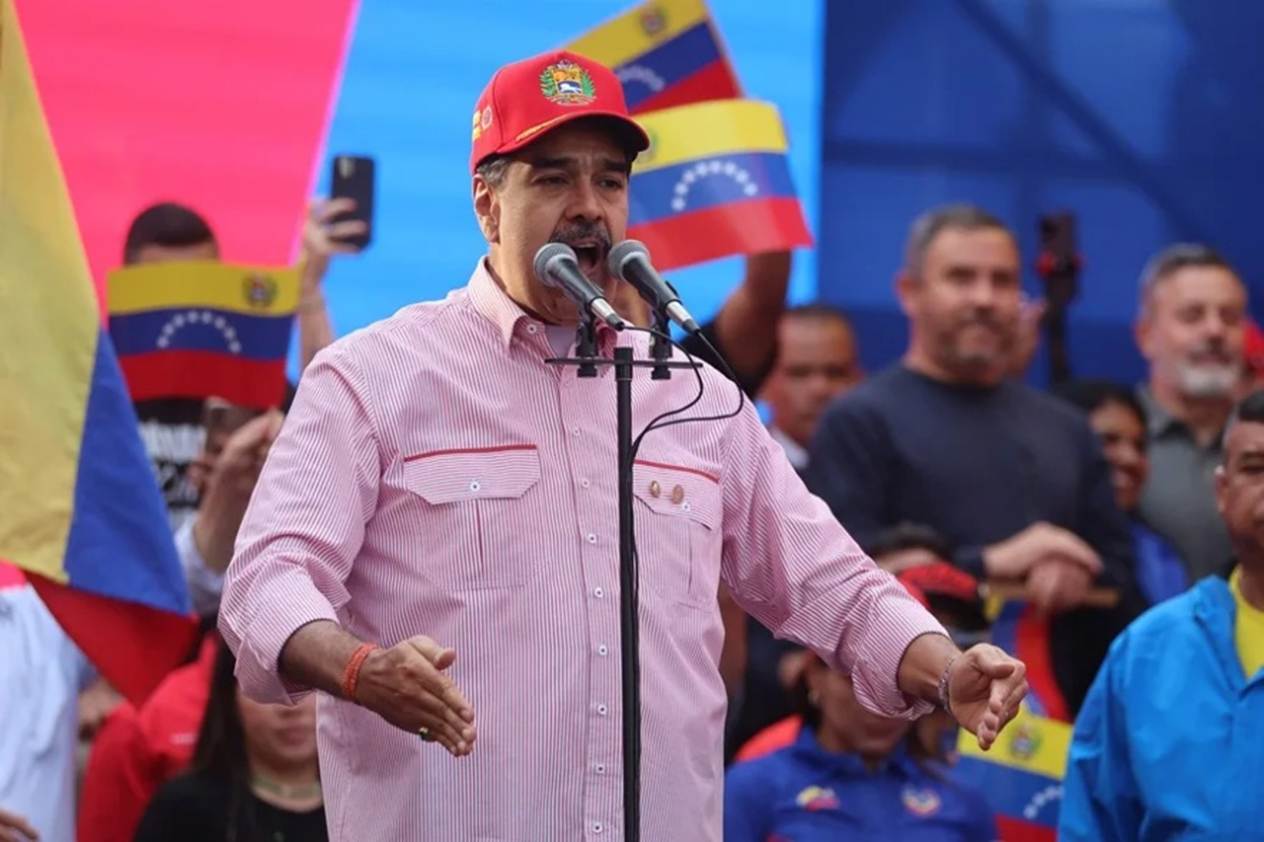
From Caracas, President Nicolás Maduro has framed the US military buildup and the seizure of the Skipper as part of an effort to depose him and seize Venezuela's oil. For many in the region, the narrative feels familiar: a powerful northern neighbor invoking security threats, drugs, terrorism, and migration while deploying ships and sanctions in waters that have seen gunboat diplomacy before. For others, the tanker's alleged role in funding armed groups such as Hezbollah and the IRGC–Quds Force adds a darker layer, suggesting that the same barrels that might someday fund schools or repair hospitals in Maracaibo could instead be underwriting conflicts thousands of kilometers away.
In the end, the raid on the Skipper is more than a spectacular boarding operation. It is a floating illustration of how Venezuela's heavy crude, US sanctions, global terror‑finance rules, and regional fears of intervention travel together along the same sea lanes. Whether the seizure disrupts illicit networks or pushes them further into the shadows, it leaves Latin America once again watching the horizon, measuring the distance between law and power in the glint of rotor blades over a hazy blue sea.
Also Read: Latin America Watches U.S. Diplomacy Turn Hashtags into Online Weapons