Cubans Walk as Fuel Crisis Paralyzes Daily Life
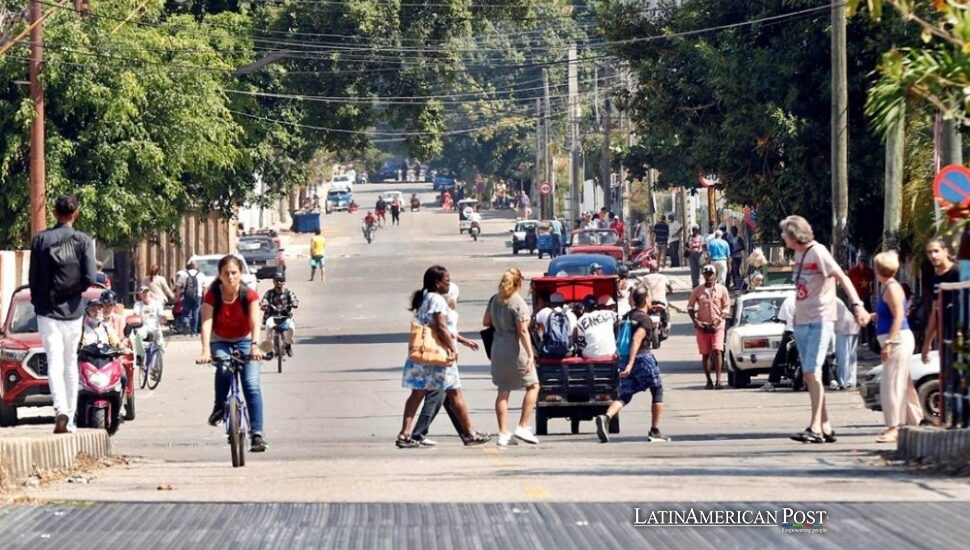
As U.S. pressure cuts oil supplies to Cuba, buses become scarce, gas stations run dry, and many Cubans walk miles to get to work. In Havana and beyond, this transportation crisis is changing daily routines, incomes, and people’s endurance.
Twenty Kilometers Before Breakfast
By the time Maykel gets to his market stall, his shirt is damp, and his legs feel empty. He’s thirty-five and sells viandas to make a living. He’s never walked this much before. Now he walks twenty kilometers every day, back and forth, because taking public transport would cost about 16% of his monthly pay. Sixteen percent to get around.
The arithmetic is cruel in its simplicity. Pay for transport and lose a chunk of wages. Walking and losing your strength. He chose his legs.
“But, well, we survive,” he told EFE from behind his stall, his words full of real, lived fatigue.
His tired face reflects many others across the island. Cuba is facing another transportation crisis, pushed to the edge by a U.S. oil squeeze initiated in January, when Washington threatened tariffs on countries that sell petroleum to Havana. This has tightened fuel supplies to an economy already weakened by six years of severe crisis. The problem is that in Cuba, transport isn’t just a side issue. It’s the backbone of daily life.
Cubans know what it’s like to deal with unreliable public transit. Sometimes buses don’t come at all, other times they’re just not enough. But even for those used to shortages, the last few days feel different. More sudden. More complete.
The government has put in place a strict contingency plan. Public transport has been cut back. Fuel is tightly rationed. Gasoline and diesel prices have soared in the shrinking black market. This hits everyone at the same time. Buses that were already rare now hardly come by. At some stops, big crowds gather under the heat. At others, benches are empty because people have just given up.
In Havana, the midday sun beats down heavily. The faint smell of hot asphalt rises from the street.
Waiting Under a Relentless Sun
Miguel Leyva, seventy-one, sits on the ground after waiting for four hours. He found a small patch of shade, but the sunlight keeps moving, so he has to shift too. He doesn’t know if a guagua, the bus that should take him to the railway station, will come at all. From there, he plans to catch a train to Santiago de Cuba, on the other side of the country, to visit his family.
“Transportation is terrible. They’re not putting the buses out. They run one, and then for ten hours they don’t run anymore. There isn’t money even to pay [for it] or to eat,” he told EFE, frustration breaking through in short bursts. Transport is terrible. They put one bus out, and ten hours later, there were none left. There is no money to pay for anything, not even food.
Leyva lives on a pension of 2,000 Cuban pesos, about 4 dollars on the informal market. When he says there’s no money, it’s not just talk. It’s a fact.
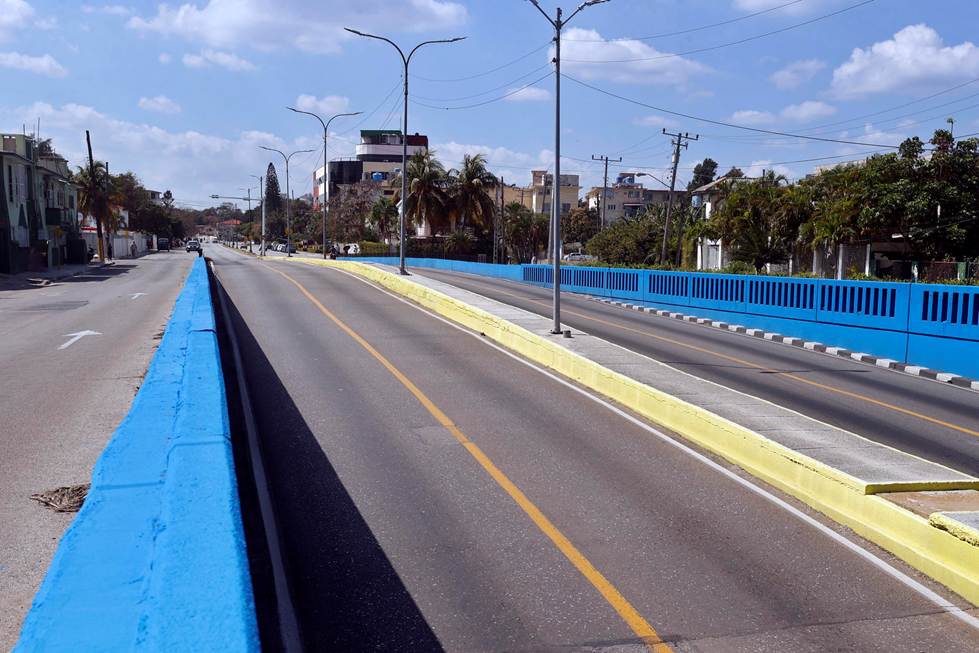
Fuel shortages have emptied the streets. Roads that once had a steady flow of cars now feel strangely empty. Drivers who offer transport services are stuck in limbo.
“I don’t have gasoline. I’m practically stopped. And the worst is yet to come,” Armando, a sixty-five-year-old taxi driver, told EFE.
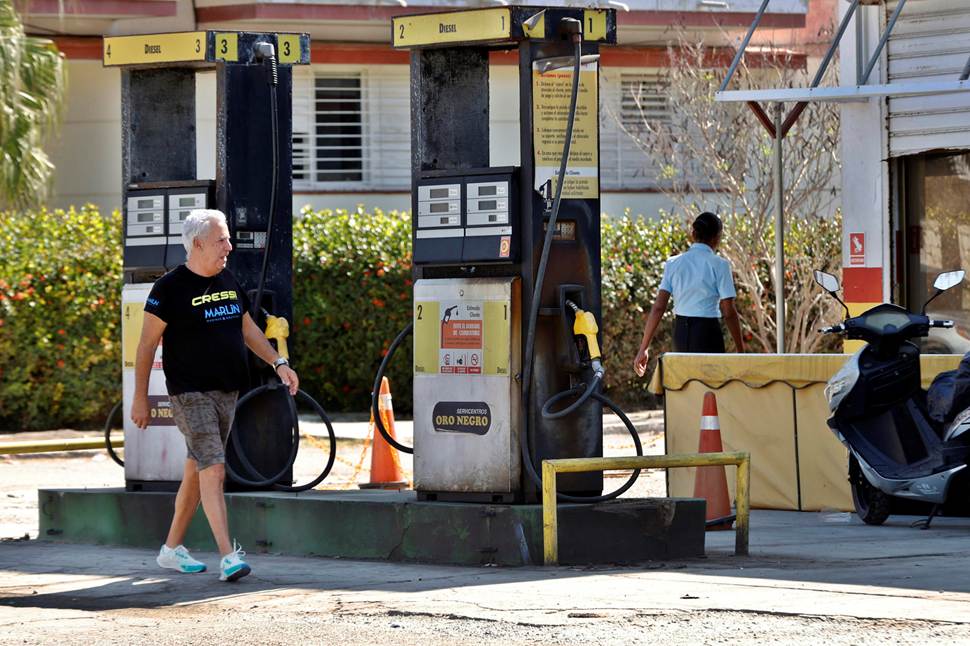
Gas stations that sell in Cuban pesos have stopped pumping fuel. Diesel stations have shut down completely. Stations that charge in dollars work through a mobile app that assigns virtual turns. The wait can last for months, with thousands of drivers ahead, and each person can only buy up to twenty liters. Twenty liters isn’t a business plan. It’s just delaying the problem.
Some turn to the black market, where a liter can cost up to half an average monthly salary, which is about six thousand pesos. Half a salary for a tank that won’t last long. The choice is harsh: pay and risk financial ruin or stop and risk being left behind.
Andrés, sixty-seven, did his own math. “I saw the street prices and decided to ride a bicycle. If I pay those prices, I’m ruined. I don’t see any prosperity. People leave the country for anywhere on the planet because today it is unlivable,” he told EFE.
His choice is practical, almost quiet. A bicycle instead of bankruptcy. It’s the kind of decision made at kitchen tables across the island, where the talk isn’t about politics but about logistics. How do we get to work? How do we get home?
Electric Tricycles and Dim Batteries
For a short time, the fuel shortage seemed like a chance for electric tricycle drivers who carry passengers around neighborhoods. Their small vehicles don’t need gasoline. But Cuba’s energy crisis has its own challenges.
Crespo, sixty, watches a handful of passengers climb into the cargo area of his electric tricycle. He tries not to use it too much. Long daily blackouts make it hard to get the battery to 100% before each shift. Before Washington tightened sanctions again, he could rely on a set of generators at home. Now, with diesel scarce, even that backup must be rationed.
Across the street, Mercedes, eighty, stands alone at a bus stop. She checks her watch and confirms to EFE that she has been there for exactly 2.5 hours. Two and a half hours is a long time to measure in public. She says she tries not to coger lucha, not to wrestle mentally with the country’s situation. It is a common Cuban phrase, part coping mechanism, part cultural shorthand.
“In Cuba, we’re already used to it,” she told EFE.
That sentence could sound like resignation. It could also sound like resilience. The line between the two is very thin.
The policy dispute that hovers over these scenes is not abstract. U.S. pressure on oil suppliers meets a Cuban government contingency plan that cuts transport and rations fuel. Between those decisions stand people counting pesos, counting kilometers, and counting hours under the sun. Policy travels downward. It lands in feet that must walk twenty kilometers. In a pension that cannot stretch. In a taxi that cannot move.
Cuba is walking because it has to. Not as a metaphor. As a fact.
And in that long walk, survival isn’t measured by speeches or sanctions, but by whether the bus shows up, whether the battery charges, and whether there’s enough strength left to do it all again tomorrow.
Also Read: Cuba’s Fuel Shortage Impacts Markets Where Tomatoes Influence Prices