Honduras Counts Dollars as Trump Raids Turn Migration into Clocks
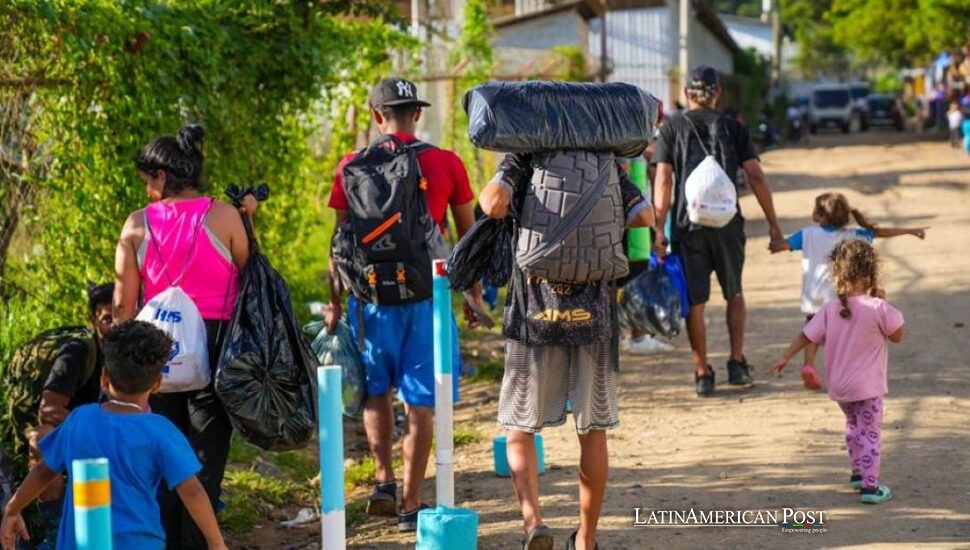
Honduran kitchens now debate ICE videos like weather reports, not politics. As raids widen under President Donald Trump, some would-be migrants pause, while those already in U.S. shadows wire money home faster, converting fear into remittances and remittances into relief.
Tegucigalpa’s Arithmetic of Escape
In Tegucigalpa, Elías Padilla’s day begins with a phone and a steering wheel, and ends with whatever the city allows him to keep. On the worst days, he said, twelve hours behind the wheel as an Uber driver yields about twelve dollars—an amount that turns saving into a kind of long, humiliating math.
For more than a year he stacked those small earnings toward one large decision: leaving Honduras without papers for the United States, chasing a wage gap so extreme it feels less like economics than geography. He explained it with the blunt comparison working people share when they are trying to convince themselves sacrifice is rational: “an Uber driver in the US makes in an hour what I’d make in a day.” The dream is not glamour. It is remittances—money for rent, food, school fees, medicine, and, if luck holds, a sliver of land that can be turned into permanence.
Then the images changed the temperature. Videos of undocumented immigrants in major U.S. cities being detained by Immigration and Customs Enforcement, wrists bound with zip ties, began circulating as a warning that did not need translation. Elías watched and recalculated. “But I see what Trump is doing, and it’s made me think twice,” he said, speaking like someone who understands that fear is also a policy instrument.
In that pause sits an older Central American memory: governments change, promises arrive, and the street remains the street. Elías said he would wait to see what a new administration at home brings after Honduras’s recent presidential election, adding, “Hopefully things will improve.” It is hope with a defensive posture, as if optimism must be rationed like fuel.
Money That Moves Faster Than People
Washington’s message is meant to travel farther than any one raid: deterrence is the point, not only the arrests. Operations in Los Angeles, Chicago, Charlotte, and Minneapolis are designed to reach Tegucigalpa’s crowded buses and the rural towns where migration is discussed as a family strategy. Elías has heard it clearly enough to stop packing.
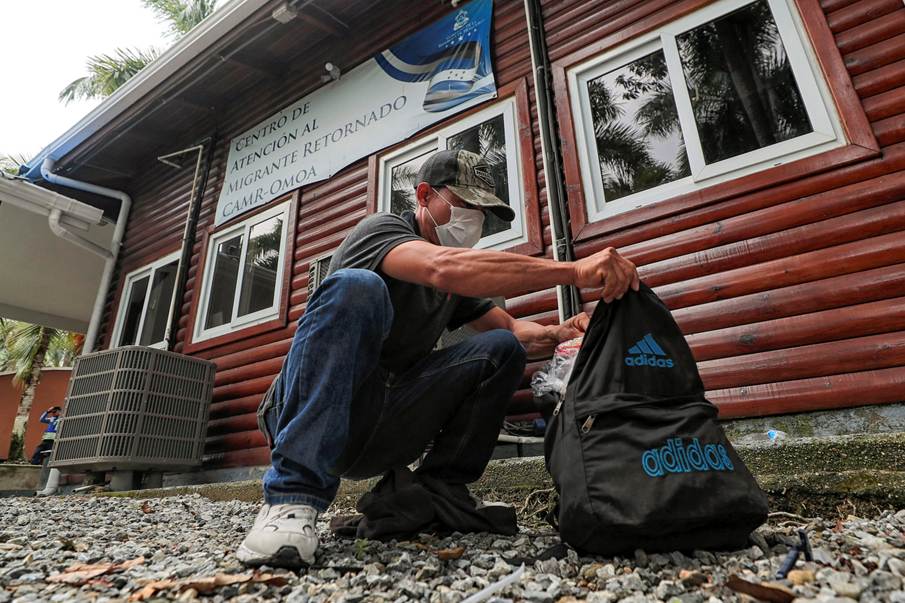
Yet the same pressure has produced an economic twist that does not fit neatly into political slogans. Remittances to Honduras have surged, as undocumented Hondurans in the United States react to the sensation of an approaching deadline. Between January and October this year, remittances rose twenty-six percent compared with the same period last year. The total climbed from $9.7bn in all of 2024 to more than $10.1bn in just the first nine months of this year—an acceleration that reads like panic converted into cash.
Marcos, a construction worker who has lived in a major U.S. city for five years, described remittances as both survival and blueprint. “Most of the money I send home is for the family to cover their basics like food,” he said. “But also, so they can put something to one side to buy a little land on which we can eventually build a house, maybe buy a car.” The language is practical, but it is also a small attempt to defend dignity: if he is detained, his family will still have a future that does not depend entirely on his body staying free.
Since Trump took office, Marcos said he keeps only the minimum for rent and food and sends the rest to his wife and two children in Tegucigalpa, increasing transfers “from $500 a month to more like $300 dollars a week.” December rises further, because Christmas is both expense and ritual, and because the calendar itself feels like a countdown.
Smugglers Raise Prices and Risk
The crackdown reshapes another economy too: the illicit market that sells passage north. Jimmy, a former coyote, said he spent twenty years moving migrants across Mexico, the most dangerous leg not only because of terrain and distance but because the route is controlled by Mexican organized crime groups. He said he did not work directly for major cartels, while acknowledging he operated with their knowledge and blessing—an admission that sketches how permission functions where the state’s authority is thin.
He said prices have doubled, from roughly $12,000–$13,000 per person to $25,000–$30,000, turning migration into a purchase only some can afford. People still get through, he insisted, estimating maybe forty percent still reach the United States, though he said numbers were higher when the CBP One app offered a legal pathway to lodge asylum requests. The higher cost is its own form of deterrence, one enforced not by law but by scarcity.
Elías sits on the wrong side of that new price. After saving and selling personal items, he cannot afford to risk deportation soon after arrival. Still, he speaks with the stubborn clarity of someone who knows the forces pushing him north have not vanished. With Honduras’s economy still bleak, he believes fear may delay departures, but not erase them. “Trump has only postponed my plans,” he insisted. “Not cancelled them.” In Honduras, postponement is often what a family calls it when the future is slipping.
Also Read: Mexico Survived Trump Tariffs and Now Sells America’s Future Faster