South American Mercosur Deal Tests Europe as France Courts Fury
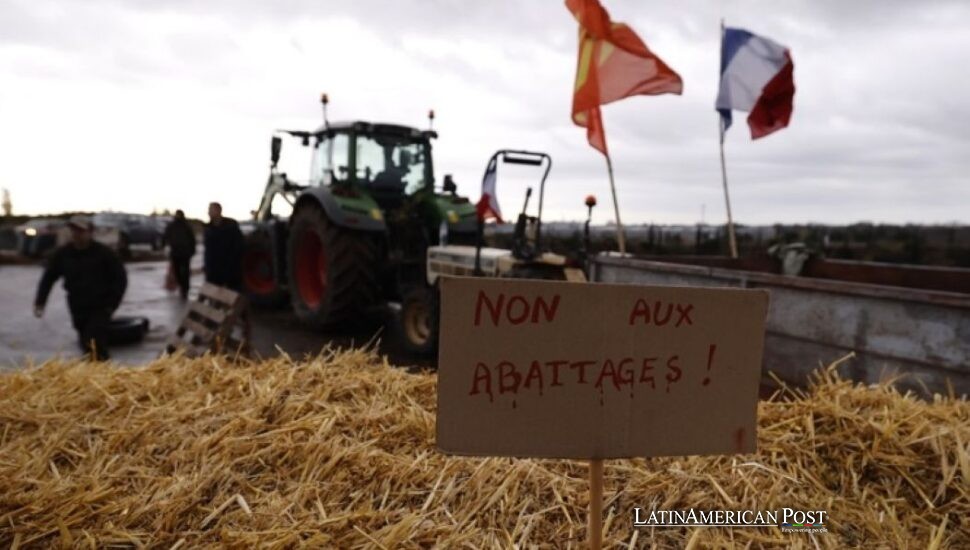
France is pushing to postpone the EU vote on the EU-Mercosur trade pact amid farmers’ mobilization in Brussels. For South American exporters, the 25-year negotiation now hinges on safeguards, Amazon politics, and who pays when cheap beef meets European ballots.
Paris Blinks as Brussels Braces
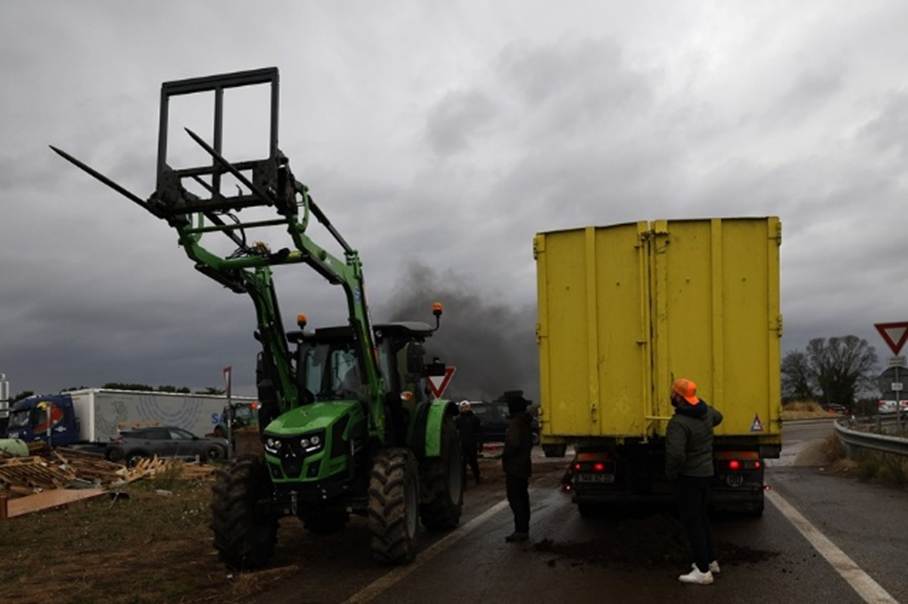
In Brussels, the ratification debate has drawn tractors instead of lobbyists. The BBC reports that up to 10,000 farmers may protest during the Thursday and Friday EU summit, warning that the pact could undercut them by flooding markets with cheaper beef, sugar, and soy. For family farms, “competition” is felt as tighter margins and fewer heirs.
The accord ties the European Union to Mercosur—Argentina, Brazil, Paraguay, and Uruguay—after talks that opened in 1999 and were concluded a year ago, yet remain unratified after 25 years, the BBC notes. Brussels wants markets for cars and machinery as U.S. tariffs bite, and China gains ground. The BBC also reported that U.S. President Donald Trump called EU leaders “weak” and warned of “civilisational erasure.”
What Mercosur Sells, Europe Fears
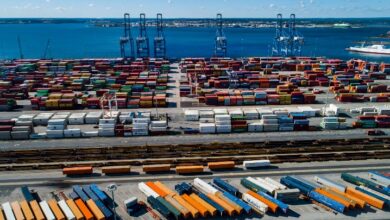
Tariffs explain the stakes. The BBC reports that Mercosur charges up to 35% on EU cars, machinery, and food, while the EU imposes roughly 15% duties on South American farm goods. The pact would phase out most of that, expanding European exports of vehicles, machinery, and wines while easing entry for beef, sugar, soybeans, and rice into Europe, partly via quotas.
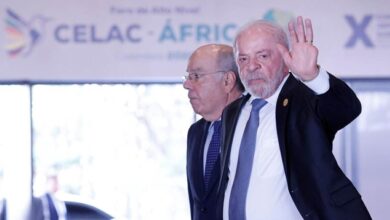
For France, the bloc’s biggest agricultural producer, the safeguards are the story. BBC says the European Commission would allow suspending Mercosur imports if volumes jump by more than 10% or prices fall by as much, but France calls this “incomplete.” In an interview cited by the BBC, Economy Minister Roland Lescure said the text “is simply not acceptable.” French politician Sébastien Lecornu urged delaying the vote before European Commission President Ursula von der Leyen travels to Brazil on Monday, where she is expected to sign on December 20.
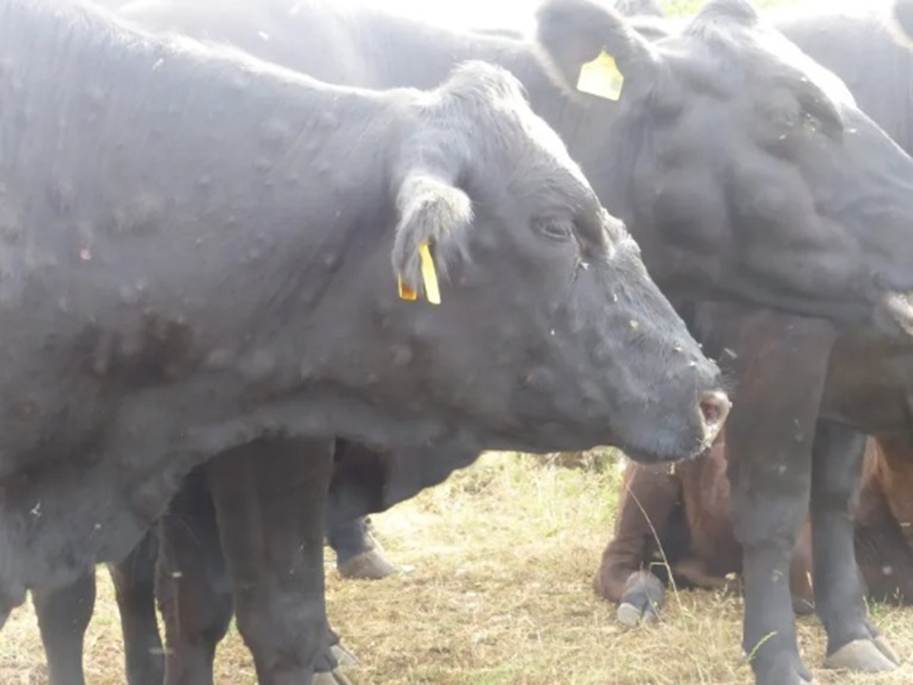
Delay also serves politics at home. BBC links the timing to a budget fight before the end of 2025 and renewed conflict over President Emmanuel Macron’s pension reform. Add an outbreak of lumpy skin disease—culls, anger, and mistrust. Trade becomes a proxy for dignity. Research in the Journal of Rural Studies argues rural communities absorb policy shocks first. These shocks appear as debt and out-migration, not headlines.
Amazon Shadow and the Battle for Credibility
The numbers for a veto are tight. The BBC reports Denmark, holding the rotating presidency, must decide whether to proceed. A blocking minority needs four states representing 35% of the EU population. Ireland, Poland, Hungary, and Austria oppose the pact; with France, that is enough. “Any postponement is a very good signal,” Polish minister Stefan Krajewski said, per BBC, while the Netherlands is undecided.
Supporters fear Europe’s reputation is on the line. The BBC quoted Commission spokesperson Olof Gill as saying that signing is crucial economically, diplomatically, and geopolitically—and for credibility. Volker Treier of the German Chamber of Commerce (DIHK), also cited by the BBC, urged the EU to strengthen ties with South America and cut barriers. The European Commission says it still expects to sign by the end of the year.
Environmental politics may still break the deal. Several EU governments argue it could worsen deforestation and fires in the Amazon, especially if beef exports rise. BBC recalled that at the Group of Seven summit in Biarritz, France, in August 2019, Donald Tusk said harmonious ratification was hard to imagine while the “green lungs of Planet Earth” were being destroyed. Brussels has sought side instruments committing Mercosur to the 2015 Paris climate agreement. From South America, the argument can sound like Europe demanding green rules while sheltering its own farms. Yet the economic lure is real: BBC, citing the European Commission, reported EU exports to Mercosur worth 57 billion euros ($67bn) in 2024 and investment stock of 390 billion euros ($458bn) in 2023. Research on Global Environmental Change suggests that trade can either reward conservation or simply shift damage elsewhere.
In this standoff, the distance between a ranch in Uruguay and a farm in France shrinks, as both seek rules that let them live without burning forests.
Also Read: Argentina’s Fracking Boom Reshapes Patagonia Yet Leaves Its Fragile Future Uncertain