Venezuela oil dreams meet reality after Trump’s dramatic Maduro capture
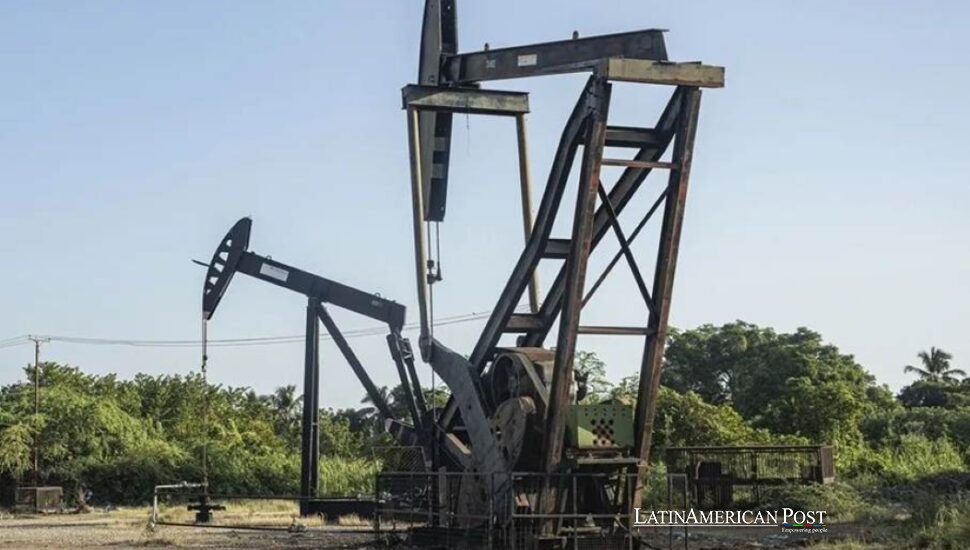
After Donald Trump promised U.S. oil majors would “run” Venezuela’s fields post-Nicolás Maduro raid, analysts say production won’t surge soon. Decades of PDVSA decay, sanctions, security risks and legal doubts could delay investment and keep crude output stagnant for years.
Billions promised, barrels uncertain
In Venezuela, oil is less an industry than a national mood—hope and grievance compressed into one word. So Trump’s promise of billions of dollars, made hours after Maduro was captured by U.S. forces, felt momentous and intrusive. A Reuters report by Nathan Crooks, Liz Hampton and Arathy Somasekhar framed the paradox: vast reserves, but too few conditions that reliably turn them into output.
Analysts told Reuters that a meaningful output boost is still years away, even if U.S. majors arrive with billions. Production has slid as mismanagement and underinvestment weakened fields, and foreign firms pulled back after Venezuela tightened control in the 2000s, including nationalizing assets of Exxon Mobil and ConocoPhillips. Any return would have to contend with security risks, broken infrastructure, legal doubts over the raid, and the chance of prolonged instability. “American firms won’t return until they know for sure they will be paid and will have at least a minimal amount of security,” said Mark Christian of CHRIS Well Consulting; he added sanctions must be lifted and Venezuela must reform laws to allow larger foreign investment. Strategist Thomas O’Donnell said that “if Trump et al can produce a peaceful transition with little resistance,” then “in five to seven years” output could ramp; the country’s heavy crude, he noted, fits U.S. Gulf Coast refineries and can be blended with lighter fracked oil. He warned that “a botched political transition” with a “feeling of U.S. dominance” could bring “years of resistance.”
Nationalization scars, legal knots
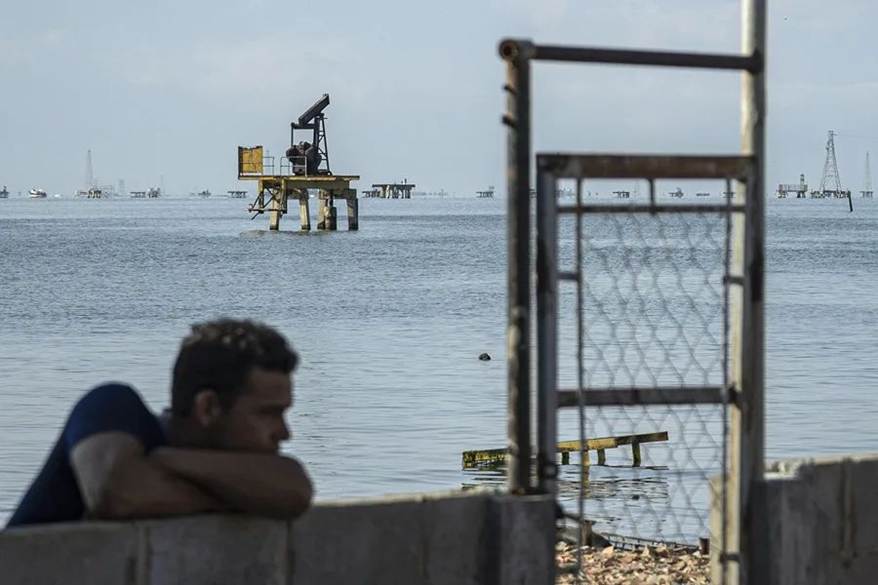
The caution is rooted in history. The industry was nationalized in the 1970s, and in the 2000s authorities forced projects into joint ventures controlled by PDVSA. Many companies negotiated exits or adapted—Chevron stayed—while others filed for arbitration after failing to reach deals. ConocoPhillips has pursued billions tied to the takeover of three oil projects nearly two decades ago, and Exxon Mobil has also fought lengthy arbitration after leaving. For investors, those legal scars are more than old news: they shape whether executives believe today’s contracts will survive tomorrow’s politics.
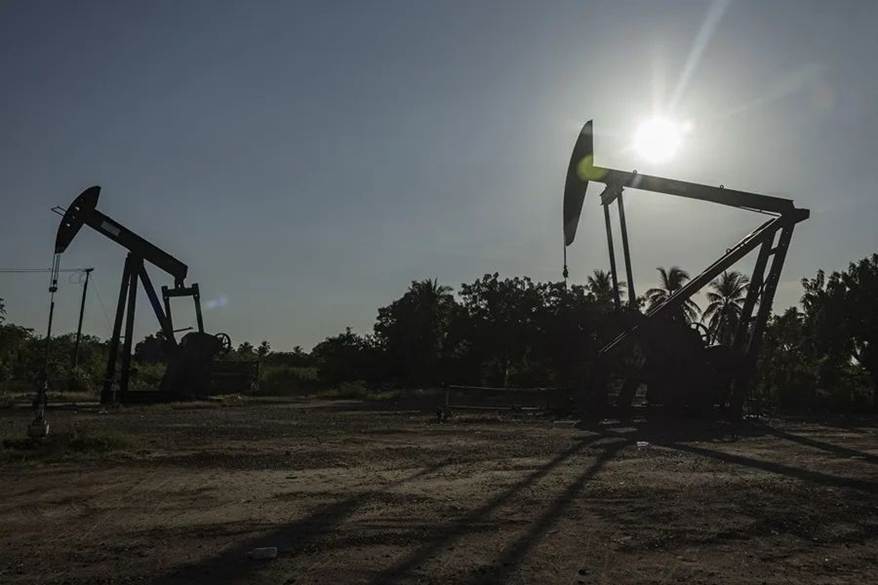
The production record makes the rebuilding task visible. A founding member of OPEC with Iran, Iraq, Kuwait and Saudi Arabia, Venezuela produced as much as 3.5 million barrels per day in the 1970s, over 7% of global output. Production fell below 2 million bpd during the 2010s and averaged around 1.1 million bpd last year—about 1% of global supply. Restoring that capacity is less about drilling new holes than repairing an industrial ecosystem.
Chevron’s head start, slow politics
For now, the most obvious beneficiary of any opening is Chevron, the only U.S. oil major operating in Venezuela. It exports about 150,000 bpd to the U.S. Gulf Coast, and has had to maneuver carefully with the Trump administration to keep operating. CEO Mike Wirth said in December he spoke with officials about maintaining an American presence through multiple political cycles. In Venezuela for over 100 years, Chevron said on Saturday it was focused on employee safety and the integrity of its assets, adding, “We continue to operate in full compliance with all relevant laws and regulations.”
Francisco Monaldi of Rice University’s Baker Institute in Houston said Chevron would be positioned to benefit most, while other companies would watch political stability, the operating environment and contracts before committing. He said ConocoPhillips could be especially interested because it is owed “more than $10 billion,” and “it’s unlikely that they will get paid without going back into the country.” A ConocoPhillips spokesperson told Reuters it was monitoring developments and that it would be “premature to speculate on any future business activities or investments.” Exxon Mobil did not immediately respond to questions from Reuters.
Global oil dynamics may also limit the immediate payoff. OPEC and its allies meet on Sunday and are expected to keep policy steady, after pausing output hikes for January, February and March amid fears of a supply glut. Ed Hirs of the University of Houston said the upheaval is unlikely to move U.S. oil and gasoline prices soon, noting that much Venezuelan crude currently goes to Cuba and China. “Trump now joins the history of U.S. presidents who have overthrown regimes of oil-rich countries. Bush with Iraq. Obama with Libya. In those cases, the United States has received zero benefit from the oil. I’m afraid that history will repeat itself in Venezuela,” he said. A narrower “win”—restarting flows to the U.S. Gulf and helping refiners like Valero—looks uncertain, with few tankers sailing since Trump’s December “blockade” announcement, even those chartered by Chevron.
Also Read: Venezuelan Tankers Circle as Trump Blockade Turns Oil Into Storage