Venezuelan Tankers Circle as Trump Blockade Turns Oil Into Storage
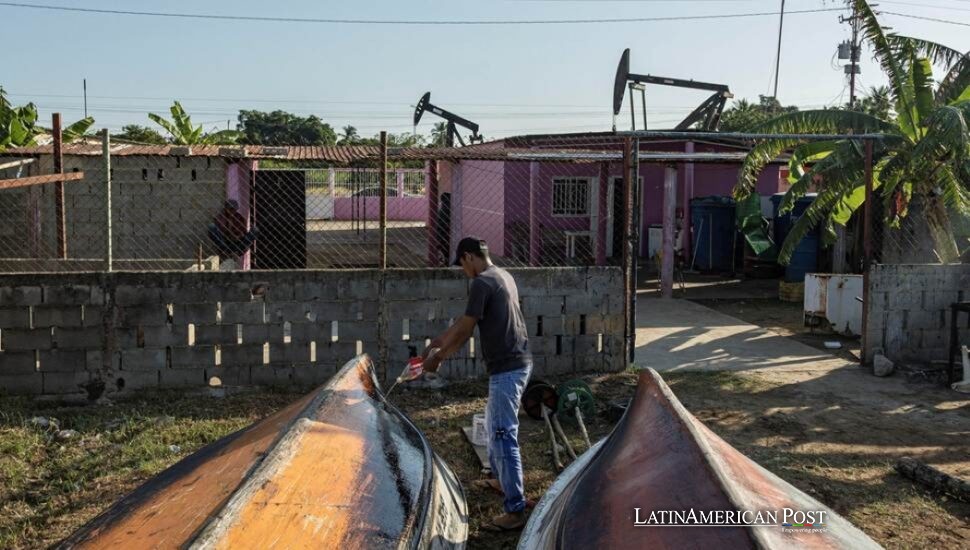
Under Donald Trump’s new blockade, Venezuelan crude is piling up at sea. PDVSA is turning tankers into floating storage near Jose, bargaining discounts, and watching Chevron ships sail while others hesitate, testing how long Nicolas Maduro can keep exporting anyway.
Jose Turns Into An Offshore Waiting Room
Off the coast by Jose, the sea is no longer just a route out of Venezuela. It is becoming the country’s improvised warehouse. In reporting by Reuters journalist Marianna Parraga, at least two oil tankers reached Venezuela in recent days, with others still navigating toward the country, a sign that state-run PDVSA is expanding floating storage to keep selling crude even as exports have been squeezed to a minimum.
The squeeze, Parraga reported, hardened this month when U.S. President Donald Trump announced a blockade of all sanctioned vessels going in or out of Venezuelan waters, part of a strategy to pressure President Nicolas Maduro. The result has been abrupt and measurable: Venezuela’s oil exports this month are about half of their November level. In a nation where public solvency and private survival are often tied to the oil cycle, the numbers read like weather—an omen before the storm arrives.
Enforcement has been visible. The U.S. has seized two fully loaded cargoes of Venezuelan oil, and American ships are patrolling the Caribbean Sea, a corridor that doubles as economic lifeline and geopolitical pressure point. The patrols radiate beyond the hulls they shadow. They reach vessel owners and insurers deciding whether a voyage is worth the legal exposure, and they ripple through brokers who understand that one interdicted cargo can poison a relationship overnight.
Fear has done its work. Parraga described reroutings and U-turns that have left only a fraction of ships willing to approach this OPEC producer. Yet the blockade has not cleared the horizon. Data from monitoring service TankerTrackers.com, cited by Reuters, showed that at least two ships under sanctions arrived in Venezuela over the last few days, and two more vessels that are not under sanctions were approaching the coast. The sea lanes are narrowing, but they are not closed; they are being filtered.
China And Chevron Trace The Last Open Routes
The approaching tankers matter because Maduro’s government has long treated crude not just as export revenue but as a form of payment. Since 2019, when Venezuela was first placed under U.S. energy sanctions, the administration has used oil to cover a long list of purchases and services, including debt service to China, Parraga reported. The two vessels nearing Venezuela are part of a fleet used by China and Venezuela to move crude bound for Chinese ports as repayment. It was unclear whether China will press for a U.S. waiver to secure delivery of those cargoes.
Inside PDVSA, the blockade is forcing negotiations that feel less like commerce than triage. Parraga reported that the company has been negotiating price discounts and contract changes this month to avoid cargo returns or crude production cutbacks. Company sources told Reuters that many buyers are growing impatient because there are no real alternatives to move oil cargoes out of the country, even in non-sanctioned tankers. A legal ship is still not a usable ship if the ecosystem around it—financing, flagging, classification, insurance—has decided the risk is too high.
Then came another blow that did not arrive from the sea. A cyberattack forced PDVSA to shut down its centralized administrative system this month, and the company is now delivering cargoes at ports more slowly, Parraga reported. The slowdown serves two purposes at once: it helps fulfill loading windows when exports are possible, and it allows the company to store crude and fuel in ships, expanding floating storage capacity. For an oil company, delays are never neutral; they are either a bridge to the next shipment or the beginning of a chokehold.
The departures that still happen stand out precisely because they are so few. Parraga reported that the only loaded vessels leaving are Chevron’s tankers, which continue sailing for the United States under Washington’s authorization, along with small ships carrying oil byproducts and petrochemicals. In the choreography of sanctions, a narrow corridor remains open—proof that pressure can be both sweeping in rhetoric and carefully calibrated in practice.
The 2020 Warning Returns With Ships Anchored In Place
The current congestion carries an echo that Venezuela has not forgotten. A similar squeeze in 2020, when Washington ramped up pressure on Maduro by sanctioning PDVSA’s main trading partners, forced the country to switch to little-known intermediaries to keep selling oil to Chinese buyers, Parraga reported. Those measures triggered oil output cuts, oilfield shutdowns and severe scarcity of motor fuel. It took years for Venezuela to reach about 1 million barrels per day (bpd) of output again, recover some refining capacity and stabilize exports.
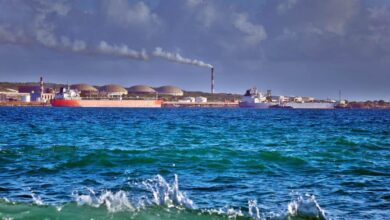
Now the view from Jose captures how quickly stability can be tested again. As of this week, almost two dozen tankers were visible from shore near the Jose port waiting for loading windows or for departure instructions, according to the data and documents cited by Reuters. The volume of oil stuck in undeparted tankers has climbed to about 16 million barrels, from 11 million barrels in mid-December. Each additional barrel afloat buys time, but it also announces strain: storage is a strategy, yet it is also an admission that the pipeline to buyers has narrowed.
PDVSA did not reply to a request for comment, Parraga reported, while Venezuela’s oil ministry and Maduro have said exports will continue. The vow is political. The anchored fleet is logistical. Between them sits the question that has defined the sanctions era: how long a country can keep moving oil when the sea itself becomes storage. It is a test of tolerance—how much uncertainty customers and shipowners will absorb before they decide that Venezuelan barrels are simply too costly to touch.
Also Read: Latin America Ports Remake Soybean Trade as China Builds Futures