Asbestos Exposure in the U.S. Workforce and What It Means for Hispanic Communities
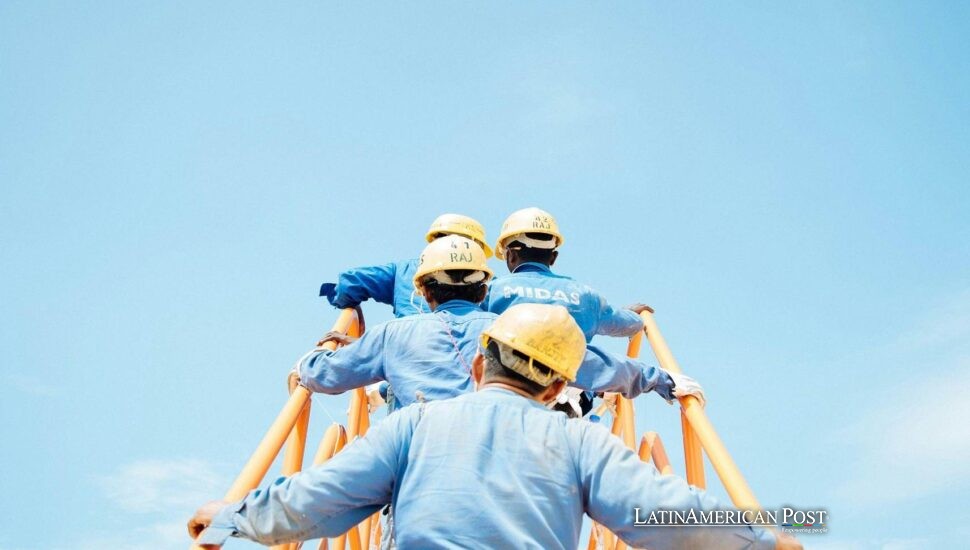
Mesothelioma is rare, but it is also one of the most aggressive and deadly cancers. It’s caused by exposure to asbestos, a toxic material that was once widely used in shipbuilding and construction. The reality is that the danger has not disappeared. Asbestos exposure is still an issue in several U.S. industries, mostly because of legacy products and old infrastructure. For many Hispanic workers, it’s a quiet and ongoing risk tied to the jobs they do.
Where Asbestos Exposure Still Happens
You don’t need skin-on-skin contact with asbestos for it to cause damage. It’s most dangerous when it’s disturbed and the particles become airborne. Asbestos could happen during the renovation, repair, or demolition of older buildings, so workers in construction, roofing, maintenance, and industrial roles are the most at risk. They may be exposed while cutting into walls, removing insulation, or repairing pipes. They may also come across asbestos while working on aging industrial equipment.
The Increased Risk for Hispanic Workers
Hispanic men, and particularly 1st generation workers, are overrepresented in physically demanding and hazardous jobs across the U.S. Many workers enter these fields through informal hiring networks and practices, like word-of-mouth referrals and unofficial day labor sites. That means safety training may be inconsistent, and work histories are often fragmented.
When health issues appear years later, that makes it difficult to trace asbestos exposure and determine who’s responsible. However, doing so can be extremely worthwhile. If a company created an asbestos trust fund, affected workers and their families could receive an average of $300,000 to $400,000 as quickly as 90 days or less.
Health Impacts Can Take Decades to Appear
Asbestos-related illnesses develop slowly over time, as the tiny fibres scar and damage the lungs. It can take anywhere up to 60 years for symptoms to appear. That delay explains why today’s statistics reflect work that happened decades ago. It also highlights the importance of current exposure patterns and what that means for the future of Hispanic workers’ health.
Barriers That Delay Diagnosis
Delayed diagnosis is another problem for members of the Hispanic community. Since symptoms take so long to develop, the connection to past work isn’t always obvious. Shortness of breath, fatigue, and chest discomfort are also easy to mistake for other illnesses, like seasonal flu or COVID-19.
Another roadblock for many Hispanic workers is access to regular and comprehensive healthcare. Language barriers are a prevailing issue throughout the U.S., with only around 5% of physicians claiming to speak Spanish fluently, compared to 19% of the population. Other reasons for putting off doctors visits include a lack of insurance, fear of missing out on work, and the machismo mindset. Unfortunately, these structural barriers often lead to late diagnosis which limits treatment options.
Endnote
Asbestos exposure is an ongoing workplace issue for the Hispanic diaspora in the U.S., especially for men in labor-intensive industries. The risk is tied to both where and how they work. Understanding asbestos exposure and how it impacts the Hispanic community is important to increase awareness, advance conversations about workplace safety, and encourage those affected to seek early help.