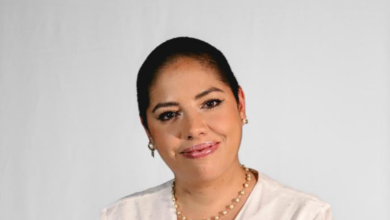
Ciudad Juárez Reckons with Femicide in a Film That Refuses Silence
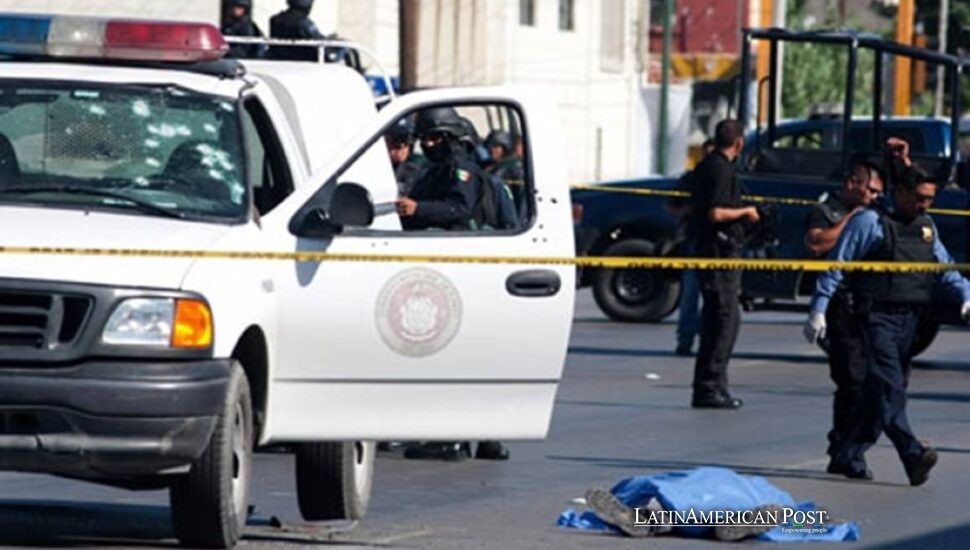
A decade after Adriana Paz first helped put Ciudad Juárez’s nightmare on screen, she is back at Sundance with “La Cazadora”—a raw, fact-rooted story where abandonment turns into resolve, and the border’s silence becomes a voice the festival can’t ignore.
Back Into the Desert, Back into the Wound
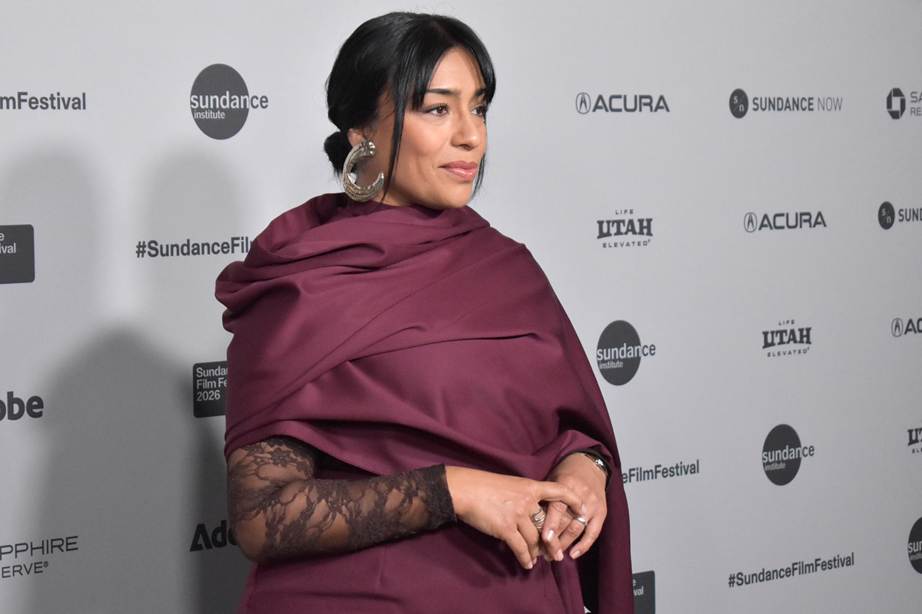
For Adriana Paz, walking into Sundance this week meant stepping back into a place that never really leaves you. Ciudad Juárez is not just a setting; it is a weather system—dust, heat, distance, and the long echo of women who did not come home. Standing on the edge of the premiere of “La Cazadora” at the Festival de Cine de Sundance, Paz described what it means to return to that landscape and speak again about gendered violence that has marked the city for decades. “Para mí volver a Juárez para contar una historia como esta, meterme a ese desierto otra vez, hablar de esta violencia, de estos feminicidios, de estas violaciones… Te abre la cabeza… te saca del privilegio,” she told EFE.
The film is directed by Suzanne Andrews Correa, a Mexican-American filmmaker who, according to Paz, wrote the story after being struck by what women endure and what survival sometimes demands. “Suzanne quedó impactada y escribió esta historia para hablar sobre la violencia que sufrimos las mujeres y las decisiones que a veces hay que tomar para defenderse,” Paz said in the same conversation with EFE.
Paz carries the weight of a prior chapter. In 2009, she appeared in “El Traspatio,” a film that centered on the disappearances of thousands of women during the 1990s along the border in Chihuahua, a decade when the term “femicide” stopped being academic vocabulary and started sounding like a daily report. Now, in “La Cazadora,” she plays Luz, a woman from Ciudad Juárez who is raped and, after what the film frames as institutional abandonment, chooses to seek justice by her own hand—an arc inspired by real events and shaped by the brutal arithmetic of impunity.
When The Camera Becomes a Witness
One of the film’s jolts is the presence of Eme MalaFe, the stage name of rapper Martín Geovanni Aldana Cervantes, making his cinematic debut with a role that forces him to live inside the story rather than rhyme around it. Known for socially conscious lyrics about life in marginalized neighborhoods of Mexico City, he arrived believing he understood Mexico’s violence—until Chihuahua corrected the scale. “Yo tenía en cuenta la realidad que se estaba viendo en nuestro país, pero no la crudeza con la que se vivía en Ciudad Juárez,” he told EFE.
During filming in small towns across Chihuahua, Aldana Cervantes says he met locals, listened, and learned how people carry grief without the protection of distance. The experience landed so hard he sought therapy, and he admits he still has not been able to transform what he heard into music—an unusual confession from an artist whose craft is transmuting pain into form. He describes less an actor’s research process than a human reckoning, especially as a man forced to confront the testimony of mothers whose daughters never returned. “Más que inspiración musical, yo te diría que como ser humano, como hombre. Y lo tengo que decir ante la cámara, como hombre es bien cabrón tener que darte cuenta así… cuando la historia te la está contando la mamá de una chica que ya nunca llegó a su casa… uno se queda mudo,” he said, speaking to EFE.
That word—mute—hangs in the air because it contradicts what people think art does. Art is supposed to give language. But the border sometimes takes language away first, leaving artists and audiences with the older task: to listen without turning the pain into spectacle. Aldana Cervantes says those conversations helped him enter the character of Luz’s protective boyfriend, a role shaped not by heroism but by helplessness—by the limited things a person can do when institutions fail, and danger becomes structural. This highlights art’s role as a vital witness, inspiring respect for its power to bear witness without spectacle.
A Demand for the State, And A Warning to the Audience
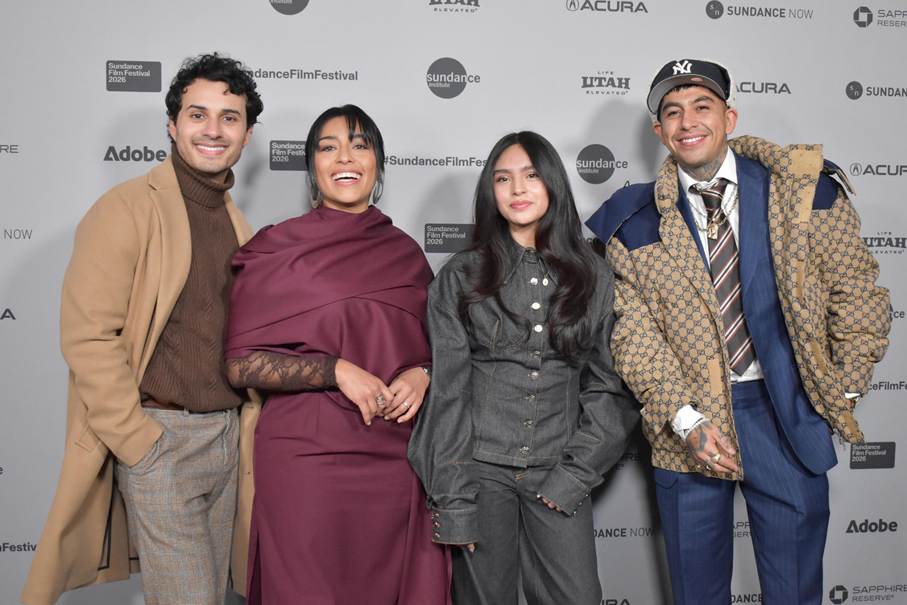
The film’s supporting cast carries the story’s moral friction. Guillermo Alonso plays a policeman who, as Alonso himself described it, will do “whatever it takes” to maintain order. This phrase can sound like reassurance or a threat, depending on who is being “ordered” and who is being protected. He shared that characterization in comments to EFE. Jennifer Trejo portrays Luz’s teenage daughter, the figure who raises the stakes to a generational level: not only what happened, but what might happen again.
And Aldana Cervantes, speaking not as a character but as a citizen, directs his most explicit message toward Mexican authorities, urging them to do their jobs. “Se pongan a hacer su chamba,” he said, calling for justice and security as the bare minimum for a life that is not lived in vigilance, in remarks to EFE. “Tienen que hacer para lo que realmente están ahí, darle justicia y seguridad al pueblo, simplemente una manera de vivir tranquila,” he added, again to EFE.
The story’s engine is not revenge as fantasy, but revenge as a symptom of systemic failure. When official structures are absent—or only perform superficial tasks—the body becomes its own last institution. In Ciudad Juárez, where gender violence persists as a stubborn, historical issue, ‘La Cazadora’ serves as a powerful reminder that these stories are not isolated but part of a larger struggle for human rights and justice, urging viewers to reflect on societal responsibilities.
The premiere also landed within a Sundance opening day that the festival framed as attentive to Latin American identity, alongside projects like “American Pachuco: The Legend of Luis Valdez,” and with mention of expected participation by Cuban actor Alberto Guerra in “Ha-chan, Shake Your Booty!” by Josef Kubota Wladyka, as reported by EFE. Over all of it hangs the sense of transition: this year marks Sundance’s last edition in Park City, Utah, after 40 years as its primary home, and the program is dedicated to its founder, actor and director Robert Redford, who died on September 16, according to EFE.
But the clean mountain air of Utah cannot sterilize what Ciudad Juárez brings to the screen. If anything, the distance sharpens the contrast: a festival built on independent cinema hosting a story that insists independence is not freedom when the state abandons you. “La Cazadora” arrives not as an exportable “border drama,” but as a reminder—spoken in a Latin American key—that some places are asked to endure what others only consume as narrative. And sometimes the most urgent thing cinema can do is refuse to let that consumption feel comfortable.
Also Read: Cuban Actor Breaks Dance Myths with Grief, Humor, and Motion