The Rhythm of a Continent: Latin America’s Most Beloved Music Genres

Few regions in the world move to rhythm the way Latin America does. Across this vast and diverse continent, music is more than entertainment. It’s a heartbeat, a shared language that connects generations. From the passion of tango to the energy of reggaeton, Latin America’s musical landscape is as colorful as its history. Each rhythm tells a story of migration, identity, and emotion that still shapes global culture. Even within traditional styles like bolero or salsa, the occasional touch of romantic saxophone music adds intimacy, proving how instrumental melodies can heighten emotion in Latin soundscapes.
The Soul of Cuba: Salsa and Son Cubano
Cuba has long been a powerhouse of rhythm, where Spanish melodies meet African percussion. Salsa, one of the island’s proudest exports, grew out of son cubano, driven by the simple yet hypnotic clave rhythm.
As salsa spread from Havana to New York, it absorbed jazz and soul influences, becoming a symbol of Latino pride in the 1970s. Today, salsa remains more than a genre. It’s a celebration of movement, joy, and community that unites generations across the Americas.
Brazil’s Endless Beat: Samba and Bossa Nova
In Brazil, music flows like the Amazon: vital and unstoppable. Samba, born in Rio’s Afro-Brazilian neighborhoods in the early 1900s, blends African drumming with Portuguese folk melodies. During Carnival, samba bursts into full color: Dancers, drums, and song creating a euphoric explosion of rhythm and life.
In the 1950s, Brazil revealed a softer side through bossa nova. João Gilberto and Antônio Carlos Jobim fused samba’s sway with jazz sophistication, capturing the dreamy melancholy of Rio’s beaches. Songs like “The Girl from Ipanema” proved Latin rhythms could be both subtle and universal.
Argentina’s Passion: Tango’s Dance of Desire
Few genres convey emotion like Argentina’s tango. Emerging from Buenos Aires’ working-class neighborhoods in the late 19th century, tango fused European melodies, African rhythms, and local folk traditions. Once dismissed as scandalous, it evolved into a national treasure.
At its heart lies the bandoneón, the accordion whose haunting tone defines tango’s melancholy. The dance itself—close, deliberate, and dramatic—mirrors the tension between desire and restraint. Though it has embraced electronic and jazz elements, tango’s essence remains timeless: a conversation between passion and loss.
The Caribbean Heat: Reggaeton and Bachata
If salsa and samba embody heritage, reggaeton represents the new Latin sound. Born in Puerto Rico in the late 1990s, it fused dancehall reggae with hip-hop and Latin beats. Artists like Daddy Yankee and Don Omar gave it global reach, while Bad Bunny redefined it for a new generation, blending reggaeton with trap and pop.
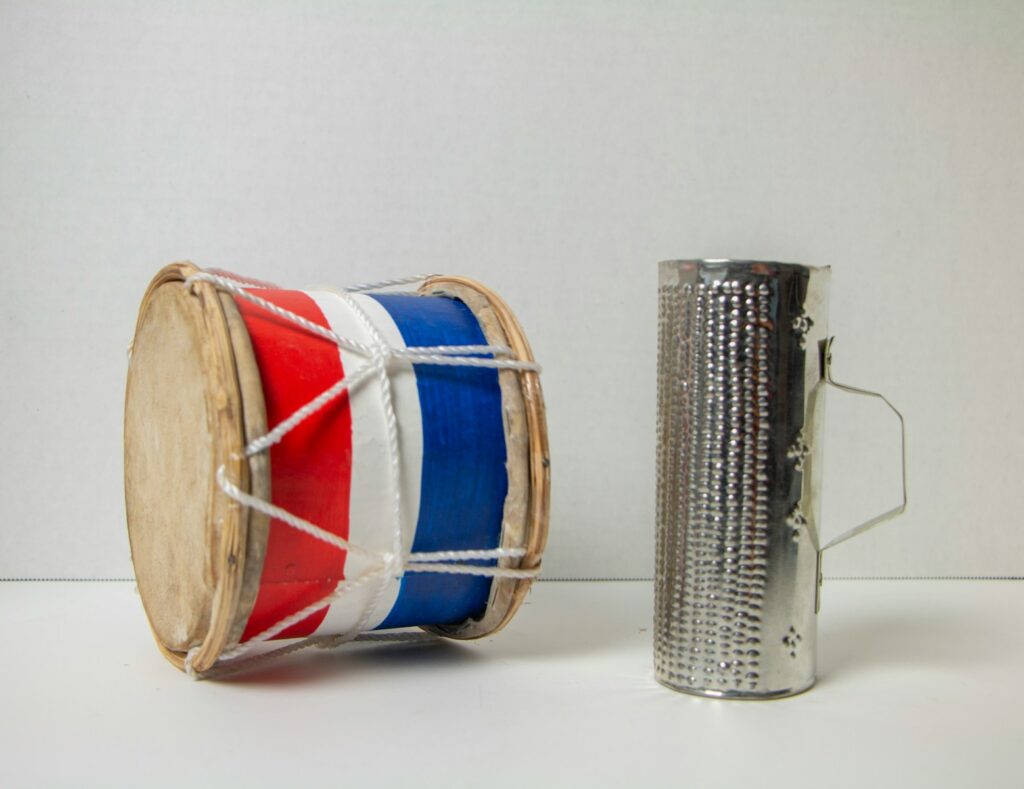
Meanwhile, bachata from the Dominican Republic tells softer stories. Once considered the music of the poor, its bittersweet guitars and heartfelt lyrics speak of love and longing. Artists like Romeo Santos brought bachata into the mainstream, modernizing it without losing its emotional honesty.
Mexico’s Melodies: Mariachi and Regional Sounds
Mexico’s musical heritage is vast. The unmistakable sound of mariachi—trumpets, violins, guitars, and charro suits—evokes pride and nostalgia. Originating in Jalisco, mariachi became the soundtrack of Mexican life, from weddings to national celebrations. Its songs, whether joyful or mournful, always tell stories of love and belonging.
Beyond mariachi, regional styles like norteño and banda reflect rural traditions. Influenced by European polkas and ranchera ballads, they celebrate resilience and home. These genres have crossed borders, finding audiences among Latino communities in the United States, where they preserve ties to ancestry and culture.
The Modern Fusion: Latin Pop and Global Influence
Today’s Latin music thrives on reinvention. Artists blend tradition with innovation—mixing salsa with pop, tango with electronica, and regional sounds with global beats. Shakira, Rosalía, and J Balvin have all redefined Latin pop, showing that rhythm and emotion can cross languages and cultures.
Streaming platforms have accelerated this transformation. A track recorded in Medellín or Buenos Aires can become a global hit overnight. Collaborations between artists blur national borders, creating a sound that’s both local and universal.
The Emotion Beneath the Rhythm
What unites Latin America’s many genres is an emotional core that never fades. Whether it’s the driving drums of samba, the heartbreak of bachata, or the elegance of tango, each carries stories of joy, struggle, and endurance. Latin music turns pain into rhythm and history into celebration.
It is this authenticity that gives Latin music its global power. From the plazas of Mexico to the beaches of Brazil and the streets of San Juan, the continent continues to remind the world that rhythm is more than sound. It’s identity.