Mexico City’s Tepito Welcomes a Giant Baby Jesus and a Smaller Hope

In Tepito, where business, faith, and danger often mix on the same street, a towering Baby Jesus arrived in Mexico City, bringing prayers, music, and a strong hope that faith can still create peace in one of the city’s toughest neighborhoods.
A Statue Made to Travel
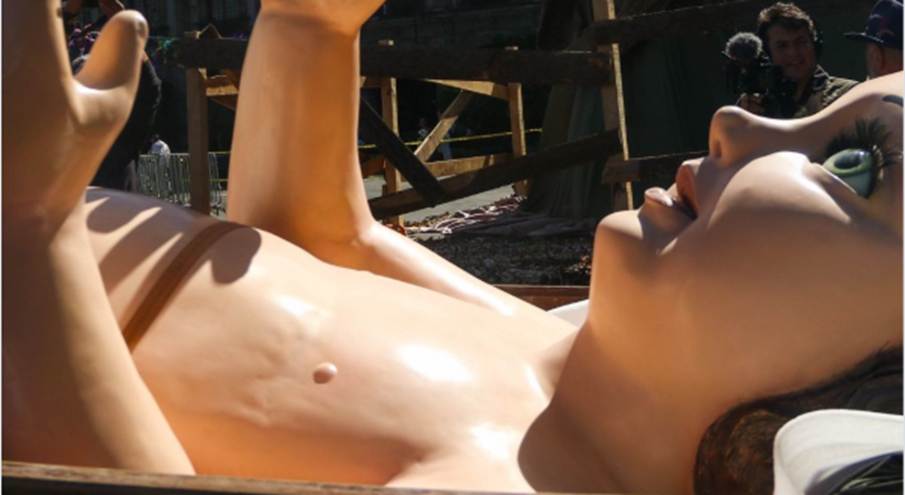
His face and body look like those of a newborn. But this Baby Jesus, which arrived in Tepito this week, stands sixteen feet tall and weighs about half a ton. It came with a purpose bigger than just being a spectacle. According to the Associated Press (AP), neighbors gathered around the giant figure as music and prayers filled the street. What followed was more than curiosity; there were offerings, a Mass, and a public show of faith in a neighborhood known for its strong identity and long history of crime. “The Baby Jesus means everything to my family and me because we are very Catholic,” said Guillermo Ramírez, a local resident who coordinated logistics for the statue’s visit. The 49-year-old musician also told the AP that he wanted to show that there are good people in the neighborhood. It is a simple sentence, but in a place so often reduced to its hardest headlines, it lands with force.
Ramírez first saw the giant Baby Jesus in 2024 in a nearby neighborhood. The devotion it drew from worshippers stayed with him. He thought Tepito could use that too. He reached out to the family that owns the statue, and later that year, it made its first visit to the neighborhood. This week, it returned. His wife, Alma Cravioto, told AP that because the image represents peace, they hope for peace in their neighborhood and in their family. That is how faith often speaks in Mexico. Not in abstraction. In the house. On the block. Around the table.
Faith Against Insecurity
The statue started as a sacred creation. Mexican artist Abraham Gómez made it with his brother in 2013. He told AP it began as a project called Walk for Peace and Good, aimed at spreading values through sacred art in families, towns, and neighborhoods. Since then, the statue has traveled through communities in Puebla, Tlaxcala, and Jalisco, including areas affected by drug-related violence.
Gómez told AP that insecurity has made the visits harder lately, but that’s exactly why these activities feel more important than ever. As he said, the goal isn’t just to bring a giant statue for people to take photos with. The goal is for them to leave with a message that stays in their hearts. That difference matters. In a place where daily life is often shaped by insecurity, sacred art is being asked to do civic work too: quiet, human work.
The image travels in a massive basket on top of a flatbed truck. At each stop, Gómez and his brother lead a procession to a church or meeting point where devotees can make offerings and a priest can celebrate Mass. After the statue arrived in Tepito on Monday night, AP reported that dozens of residents came out into the street. Neighbors shared atole, the warm corn drink that belongs as much to memory as to appetite. The scene was communal, devotional, and unmistakably Mexican, shaped by the old habit of turning the street itself into a ritual space.
Ancestral Threads in a Modern Street
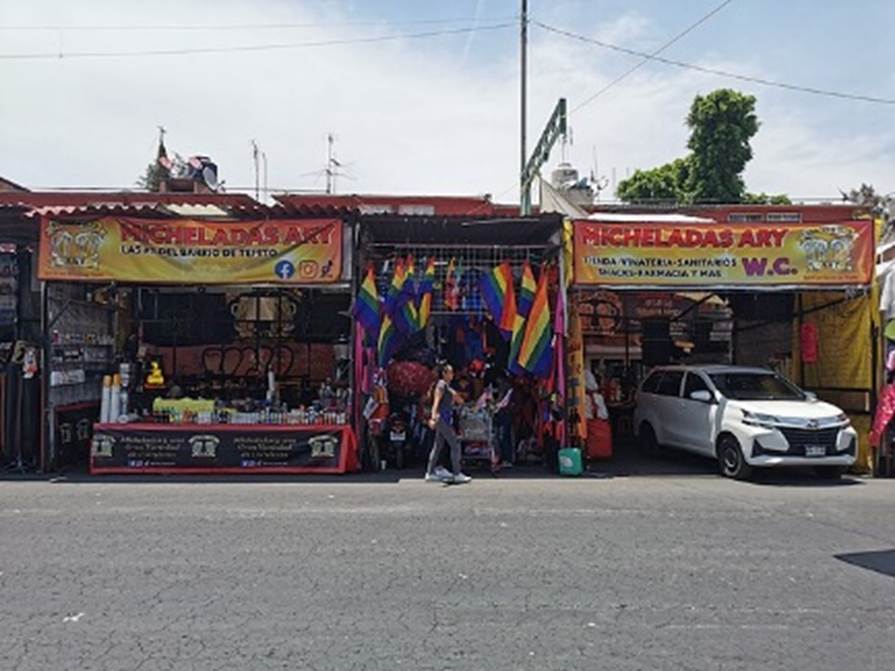
By Tuesday, the giant Baby Jesus had been moved from lying down to sitting up. Then came another familiar gesture. Following Mexican tradition, locals dressed the statue in traditional textiles inspired by Huichol art. Gómez told AP that the goal was to reclaim the traditions of ancestral communities and show that Mexico is a mix of cultures shaped by Spanish heritage and Indigenous roots.
That mix isn’t just decoration here. It’s the story. In Tepito, a neighborhood known for hustle, survival, and local pride, the statue’s visit became a way to talk about peace and belonging. María Concepción Franco, a resident, told AP the visit felt like a blessing. She said the Baby Jesus has granted her miracles and that she has asked him for a lot. Over the years, friends and family have given her Baby Jesus images. Some stay at home, and one even travels in her purse.
“He helps me stay strong despite all difficulties,” Franco told AP. “I don’t have any children, but I am really devoted to him.”
That might be the clearest message of all. Not grand plans. Not policies. Just strength despite hardship. In Tepito this week, with prayer, song, and the watchful eyes of a giant holy child, that was enough to bring people into the street to ask, once again, for peace.
Also Read: Cuba Students Sit In as Blackouts Rewrite the Social Contract