Peruvian Tables Welcome Venezuelan Arepas as Lima Learns New Comfort
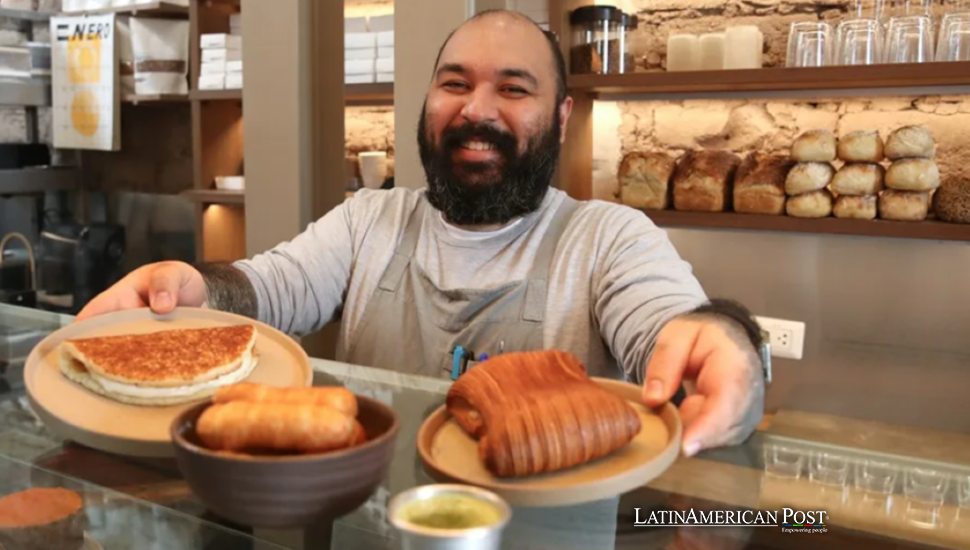
In a stylish Lima cafe, tourists take photos while locals order cachapas like a habit, not a dare. Venezuelan cooks call it a new stage, after migration and old tensions, as Peruvian food culture absorbs another wave.
A Cafe Where the First Order Tells the Story
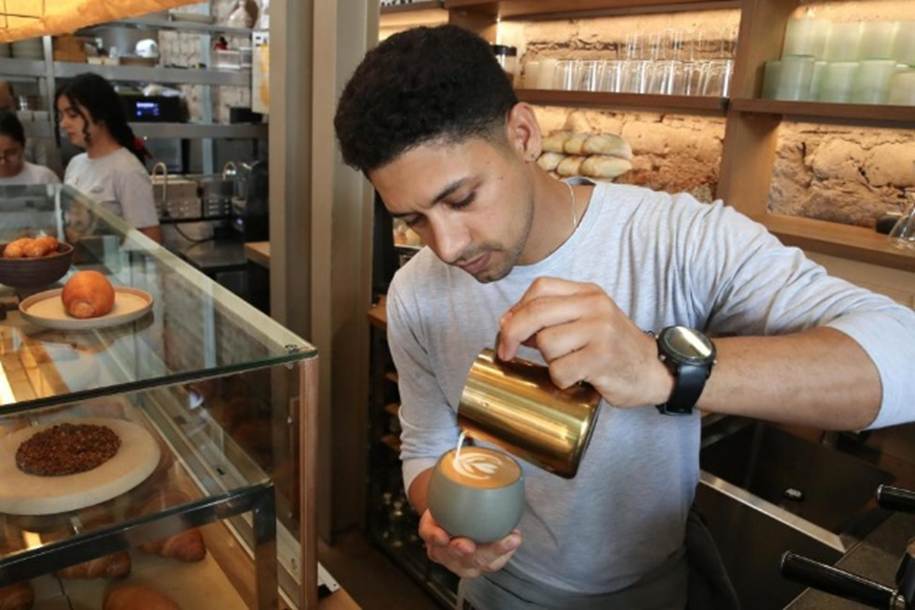
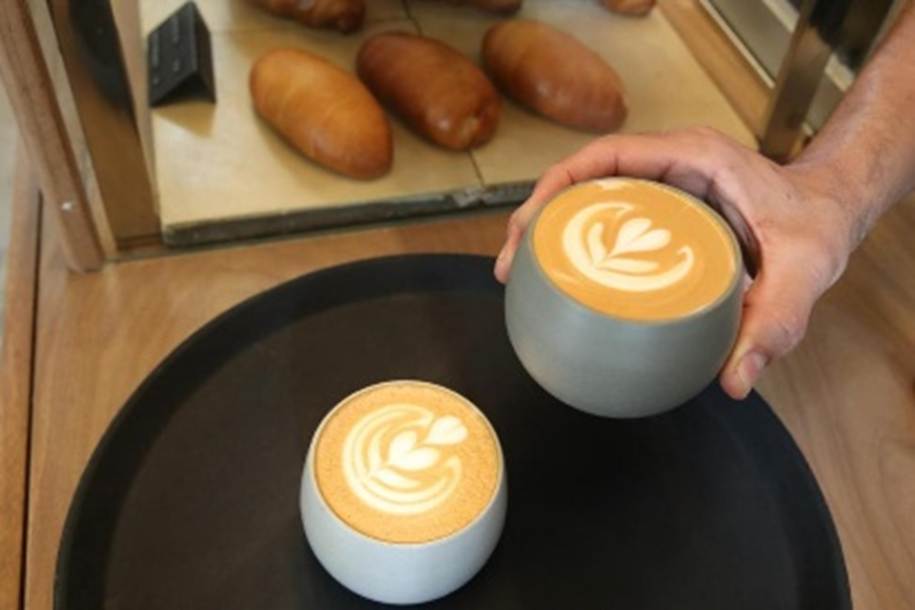
In Demo, the room does what Lima’s fashionable rooms often do. It glows with design, and it invites cameras. Plates land. People angle their phones. The kitchen keeps moving.
But the clearest detail is quieter than the decor: what people ask for first.
“The cachapa,” Juan Luis Martínez said, watching customers come in with the confidence of people who already know what they want. “It feels really good that when you see at Demo Peruvians, Americans, and Europeans, the first thing they order is the cachapa, because it is what they want to try, and then they come back or order one after another. There is something there that is hard to explain with words,” he told EFE.
Martínez is Venezuelan, and he runs Mérito, one of Lima’s most recognized restaurants, where he blends Peruvian cooking with Venezuelan cooking. Mérito sits at number twenty six on the list of the world’s fifty best restaurants and ranks fourth among Latin America’s fifty best. He also leads Demo, an all day cafe where most of the cooks and staff are Venezuelan and, by his telling, feel at home serving dishes from their country.
The city around them is Lima, often framed as Latin America’s gastronomic capital, and that framing matters because it helps explain why this shift feels both natural and slightly surprising. Peruvian cuisine has long been shaped by fusion, built from waves of migration that brought new ingredients and new habits into daily life. Now, Venezuelan food is not performing at the edges. It is showing up in the center of the plate.
“The arepa is one of those preparations that very few people do not like. It is very noble and accepts whatever you put in it. I think it has won the hearts of Peruvians,” Martínez told EFE.
The trouble is that food is never only food. In a city that absorbs tastes quickly, who gets to be welcomed, and how, is still a living question.
From Unknown to Normal in One Neighborhood at a Time
Martínez points to timing. After the large arrival of Venezuelans to Peru, especially in 2018, he says the xenophobia that Venezuelans could face has been overcome, and now a new stage can be felt for the more than 1.6 million people who make up the Venezuelan community in Peru.
In practical terms, that new stage has a flavor and a supply chain.
In Lima now, Venezuelan products are easy to find, from arepa flour to traditional sweets. Cooks like Martínez say they now have producers making queso de mano, that mythical soft cheese that recalls mozzarella, something that used to be impossible to source.
That is how a cuisine stops being a novelty. It becomes feasible. It becomes repeatable. It becomes something a street vendor can sell on a corner, not just something a chef can explain in a dining room.
So Venezuelan recipes have found space in Peruvian bars, cafes, and restaurants, and also in street stalls that appear on Lima’s streets as if the city were briefly borrowing Caracas’s rhythm. This is the part that tourists photograph, the brightness of the food, the sense of discovery. The everyday part is less photogenic: people returning for the same thing, again.
“The wager here is that repetition is the real measure of belonging,” one Venezuelan cook said in effect, without quite saying it like that. When a dish becomes routine, it is no longer a guest.
At Demo, Juan Romero, the head chef, arrived from Venezuela to Lima in 2018 to join Martínez’s project, at a time when Venezuelan cuisine was largely unknown in the Peruvian capital.
“We made cachapas, eggs Benedict arepas, and people were absolutely delighted,” Romero told EFE. Since then, he says, they have expanded the Venezuelan bakery section with cachitos, a type of bread, and mini lunch, a ham and cheese filled roll in a semi sweet dough.
The details sound small, but they are how a community rebuilds its own comfort in public. Bread is memory you can hold.
A Fusion That Acts Like a Civic Argument
At Christmas, that comfort turned into a crowd. Demo prepared pan de jamón, the classic Venezuelan holiday dish, and Martínez remembers the turnout. “I had never seen so many Venezuelans,” he told EFE, recalling that “people came for two, for four.”
While plates left the kitchen, locals and tourists kept taking pictures, drawn by the aesthetics of the space. Romero watched something else. He said people from many countries have passed through Demo, “but organically now most are Venezuelans who come to work here and who seek to connect with their own gastronomy,” he told EFE. He called the atmosphere “very nice,” he told EFE.
What this does is reveal the double life of a popular cafe. It is a Lima hotspot, yes. It is also a meeting point, a soft place for migrants to recognize themselves without having to explain.
Martínez says he plays the same game in his other restaurants, Mérito and Clon, using Venezuelan elements like guasacaca sauce or the arepa and fusing them with dishes that are unmistakably Peruvian, like ceviche and the popular pan con pejerrey, a fried fish sandwich.
“This fusion has value and a very important impact in this new stage of Peru, which has always welcomed many cultures with open arms that today feel very Peruvian,” Martínez told EFE.
Peru’s culinary history backs him up in spirit, if not in slogans. Migration has long been one of its key ingredients, with influences shaped by the arrival of Spanish, African, Chinese, Japanese, and Italian populations over centuries. That is the larger pattern. The present scene is more intimate: a table, a phone lifted for a photo, and a first order that comes out almost reflexively.
Cachapa. Arepa. Pan de guayaba.
Not as foreign words. As lunch.
Also Read: Venezuelan Lives in Colombian Streets Shift After Maduro’s Sudden Capture