Salvadorean Prison Shadows Trail Venezuelan Returnees as New Year Fires
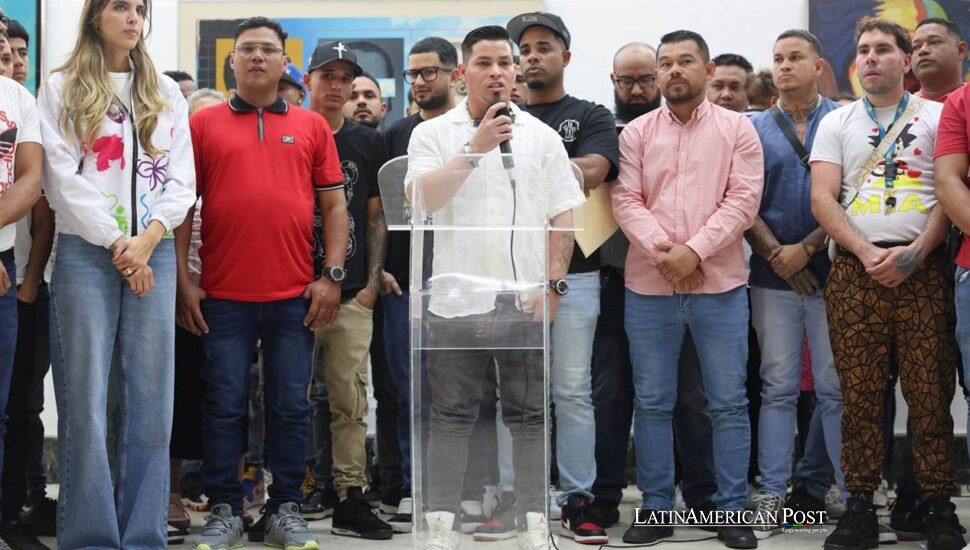
Back in Venezuela, survivors of El Salvador’s Cecot mega-prison prepare for New Year’s rituals while living with stigma from Trump-era gang accusations. Their release in July 2025 ended confinement, but not the nightmares, job losses, or politics that followed them home.
Año Viejo, New Wounds
In 2025, a Venezuelan family circle bends over scrap wood and rags, shaping an año viejo—a life-size doll stuffed with fireworks and old clothes. At midnight on New Year’s Eve, they will set it ablaze. Andry Hernández Romero smiles at the thought. “This is our way of welcoming the new year with joy,” he said, insisting the year can still restart.
Only five months earlier, Hernández Romero, 32, was released from El Salvador’s Terrorism Confinement Center, Cecot. He had been one of 252 Venezuelan men the Donald Trump administration accused—without due process—of belonging to Tren de Aragua. Many were asylum seekers; most had no criminal records. Human Rights Watch and Cristosal later said the men faced near-daily physical and psychological abuse, including beatings and, in some cases, sexual assault.
In July 2025, a diplomatic deal between Venezuela and the US freed them abruptly. The Guardian stayed in touch with Hernández Romero and three other men as they returned home. “There were so many mixed feelings on the way home,” he said—joy at hugging his father and brother, and the shock of realizing everything had changed.
Cecot’s Afterimages
The others struggled to name what freedom felt like. Jerce Reyes Barrios, 36, called it a jumble of “happiness? Sadness?” José Manuel Ramos Bastidas, 31, said: “I never thought I would get out.” Edicson David Quintero Chacón, 29, tried to savor ordinary pleasures—time with his kids, TikTok restored, a two-hour motorcycle ride. “Freedom is the most beautiful thing in life,” he said. Then the memories returned: “It’s like a movie that keeps playing in my head.”
Quintero said guards beat detainees for talking and medical visits felt like mockery. Guards used La Isla, a dark isolation room. Hernández Romero has said he was dragged there and sexually abused; he prays for justice “from Father God.” Ramos recalled hunger strikes, a “blood protest,” and days of “blow after blow.”

Freedom Under Suspicion
Back in Venezuela, desperation remains. Ramos left in January 2024 to pay bills for a newborn son with severe respiratory issues; now he hunts repair jobs to earn “something.” Quintero, who had worked since 12, left in April 2024. At the US southern border, he was given an ankle monitor and ICE check-ins; in June, he was detained during one. He spent more than a year in custody—at Stewart in Georgia, then Cecot—and returned to scarce work and a family waiting.
Detention also made them famous. “We became almost famous,” Hernández Romero said. During Pride month in Washington DC, the Human Rights Campaign rallied for him, and New Queens Pride in New York honored him. The Trump administration called them “ruthless terrorist gang members.” In late March, Kristi Noem toured Cecot, while Nayib Bukele posted a video of deportees being frog-marched into the prison.
Back home, suspicion sticks. “No hair salons in Venezuela want to give me a job,” Hernández Romero said. Even opponents of Nicolás Maduro eye him as swap bait. What steadies him is the bond: “We entered 252 strangers, and we left 252 brothers.” He stays close to Carlos Uzcátegui, 32, and recently did makeup for Uzcátegui’s bride, Gabriela Mora, who is now expecting a baby. Adapted from The Guardian reporting, quotes, and interviews by Maanvi Singh.
Also Read: Chile’s Puma Boom When Patagonia’s Ghost Cat Finally Shows Itself