Caribbean Airspace Shock Turns Dream Vacations into Costly Waiting Games
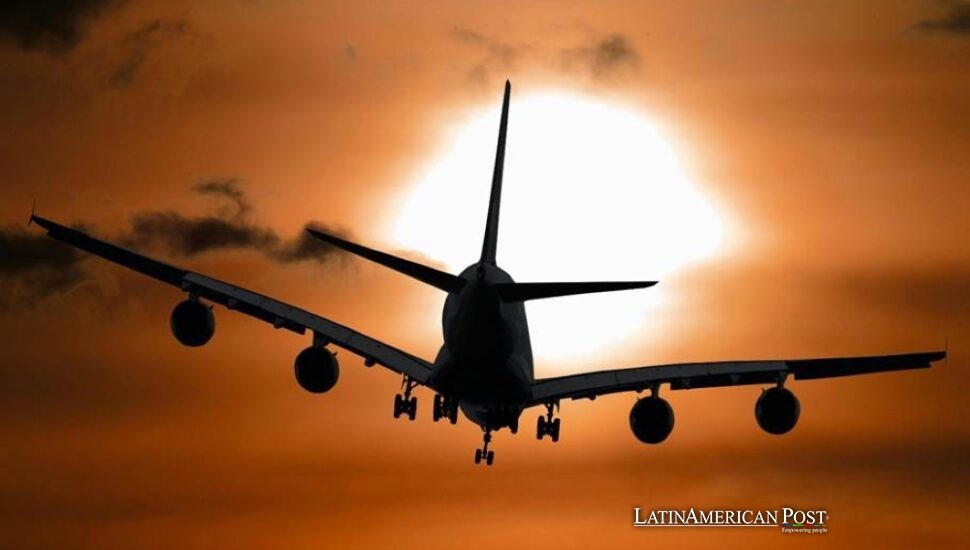
After US military strikes in Venezuela closed Caribbean airspace, tens of thousands of travelers in Puerto Rico and Aruba found paradise turned into a logistics trap. Families chasing New Year sun now chase refunds, scarce seats, and rising hotel bills.
Sunshine, Then the Sky Closed
Synda Clements came to San Juan for her 40th birthday and the New Year, with friends and relatives—two from Ireland and three from Indiana—before a Saturday flight back to New York. Now she’s mostly looking for a way home.
By Saturday morning, friends leaving earlier warned that the airspace above Puerto Rico was closed after US military action in Venezuela, and flights were being canceled.
The teasing from home landed hard. “Boo hoo, you’re stuck on an island,” Clements said. But an island is also a price tag, and a canceled flight can turn into an expensive, stressful extension of real life.
The strikes in Caracas and the arrest of Venezuelan President Nicolás Maduro have jolted politics across Latin America. For travelers, the jolt became practical: missed workdays, school absences, and nights paid for twice.
Refresh, Then Disappear
Flights blinked out as travelers typed passport details; some reported reaching the credit-card screen before seats vanished. Another was routed to an airline’s international reservations line despite explaining that Puerto Rico is in the US.
In Aruba, Laurel Cormie and her daughter, Eden, watched options evaporate after their Saturday cancellation. “It was like ‘The Hunger Games,’” Cormie said, describing a scramble where every click felt like a race.
Families budget for vacations, not for a trip that doubles in length while prices jump for limited flights and hotel rooms. It isn’t clear yet whether travel insurance or airlines will cover extra costs, leaving people to improvise with whatever cash and credit they have left.
Many of the stranded insist they aren’t complaining about the view. They’re just not exactly having fun when the days are eaten by customer-service queues and the fear of spending beyond what they planned.
Sure, some travelers were poolside in 80-degree weather, but the stress traveled with them. Trying to reach a live airline agent is miserable in any setting, and the island backdrop didn’t make the hold music shorter. After Saturday’s cancellations, even small hints of added flights spread fast through hotel lobbies and airport lines.
On Monday, Brianna Vasquez, 31, walked through a San Juan mall with her 13- and 7-year-old kids, trying to pass the time. She arrived in late December with her husband; her in-laws paid for the trip, and they’re booked home on Jan. 10. “I don’t want to sound bratty because I am on an island, but we plan for one vacation once a year,” Vasquez said. She is taking an unpaid week off from her hospital job and worries about the school her kids are missing.
Vasquez spent Sunday night checking hourly for any route to the East Coast, hoping to stitch together a way back to New Jersey. With eight family members, she considered splitting up so two or four could fly at a time. “People say, ‘You’re on vacation, enjoy it,’ but they don’t see the expenses,” she said.
The Hidden Tab of Being Stuck
Lori Vasquez—no relation to Brianna Vasquez—told her medical practice she wasn’t making this up: she was stuck in Puerto Rico. She, her husband, and their two teenagers were supposed to return to Indianapolis on Saturday, but will remain on the island until Tuesday. “This was definitely not on my bingo card for 2026,” the 51-year-old said.
Her original Southwest Airlines flights were refundable, but the replacement tickets cost nearly $2,800 for four economy seats on United. On Sunday night, they ordered DoorDash pizza, trying to save where they could.
Back in San Juan, Clements took a refund from Spirit Airlines after being offered a Friday flight, convinced she could find something sooner. Instead, she and her husband have been switching hotels every night since Saturday, now scheduled to head back to New York on Tuesday. Friends at home are caring for their saltwater fish tank.
Her brother, Kane Clements, said the family has stopped expecting sympathy. “Nobody really feels sorry for us,” he said. He and his wife are set to return to Elkhart, Ind., on Friday, juggling crowded laundry rooms and childcare for their 4-year-old. “Grief was that morning,” he said of Saturday. “I think we’re in the acceptance stage.”
From a Latin American perspective, the story isn’t just about inconvenienced tourists. The Caribbean is sold as escape, yet it sits in a geography where politics can close the sky. When that happens, privilege doesn’t disappear; it becomes visible—measured in refundable fares, hotel switches, and the ability to wait.
This feature is adapted from the original The Wall Street Journal reporting and interviews by Melissa Korn and Allison Pohle.
Also Read: Colombian Classrooms Dance as Haiti’s Compas Finds a New Home