Trinidad and Tobago’s Kalinda Ritual Puts Carnival’s Bloodline on Display
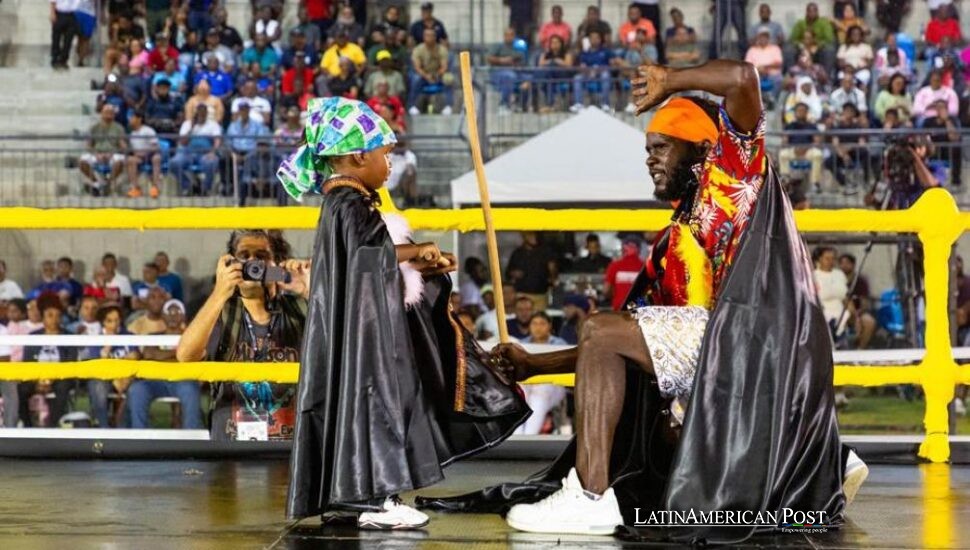
In Moruga, carnival’s loudest story is not sequins or soca, but wood striking bone in a sacred ring. Stick fighting returns in the last days before Trinidad and Tobago’s carnival, forcing a policy question about culture, risk, and protection.
Moruga’s Quiet Ring Before the Loud Parade
Moruga sits far from the glitter of costumes and the easy shorthand outsiders use for Trinidad and Tobago’s carnival. The road there folds into forest, toward the edge of the Trinity Hills, where the air can feel heavier, and the shade holds longer. This is where one of the festival’s oldest secrets keeps breathing: stick fighting, the art of Kalinda, part resistance, part spirituality, part blood. Recognizing this deep history can inspire pride and respect in the audience.
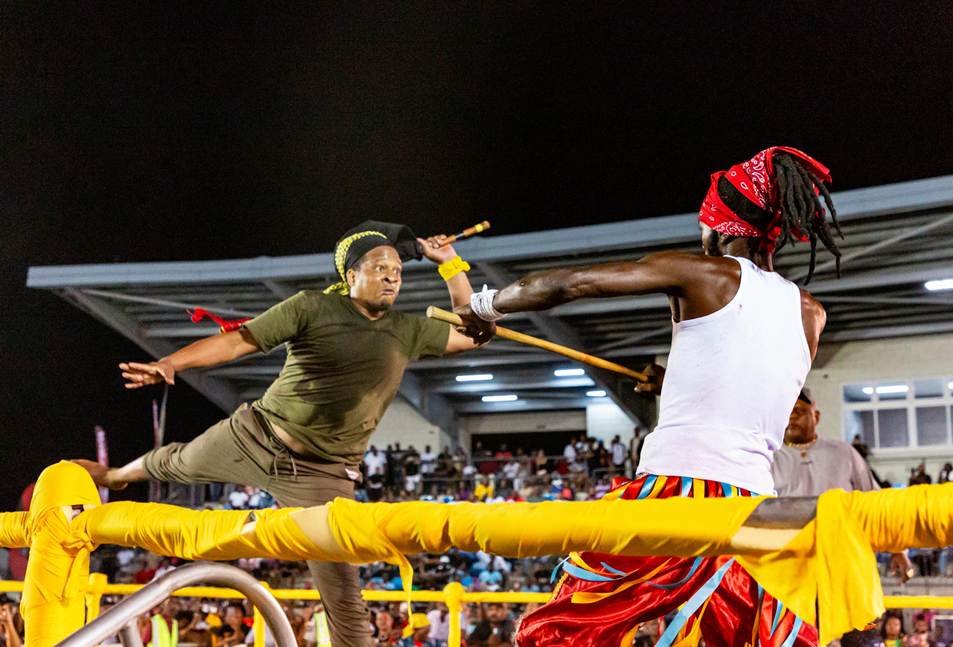
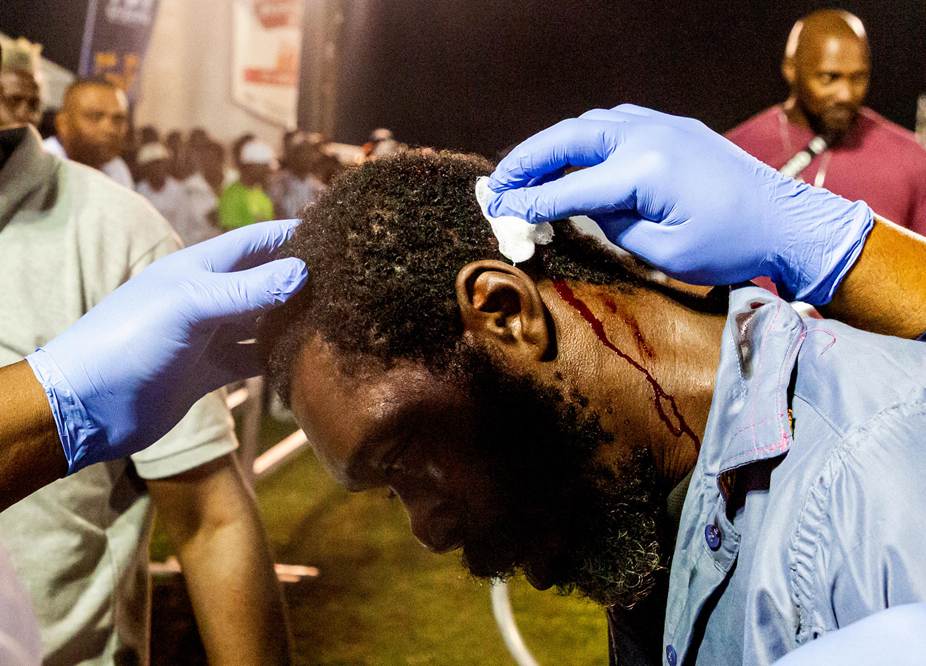
In the days just before carnival, the tradition resurges. More than fifty fighters from rural communities gather in Moruga to enter the gayelle, the sacred ring. They come armed with hardwood sticks cut from nearby forests. Then the movement starts. Circling, dancing, striking. The sound is blunt and immediate. Wood on wood. Wood on flesh. The stakes show up fast, in blood that is not theatrical.
To someone who does not know the story, the spectacle can look like brutality with a drumbeat. Faces marked by scars. Missing teeth. Broken jaws. Eyes that have seen too much. Yet inside the ring, the practice insists on another meaning, one that refuses to be reduced to violence for entertainment.
Selwyn John, crowned King of the Rock 2026 this week and a four-time champion, carries that insistence in his voice and in the small details of his smile. “I carry stick fighting in my blood. This is not just fighting. It is spirit, culture, and lineage,” he told EFE, speaking with three gold teeth visible as he talked.
The trouble is that a tradition can be sacred and still be dangerous. Those truths do not cancel each other out. In Moruga, they sit side by side.
Rules for the Living and Rules for the Dead
John describes Kalinda as something that has evolved without losing its foundation. The form changes, the world changes, but the spiritual core, in his telling, stays deeply intact. Decades ago, feared Moruga spiritual healers, including Papa Nezer and Mother Cornhusk, were believed to prepare fighters and their sticks with ancestral power to ensure victory.
“Back then, the sticks were soaked in rum and blessed. Sometimes they were even taken to cemeteries, and the spirit of the dead was invoked to protect the fighter,” he told EFE.
Those practices are less common now, but belief still shapes the fight. It shapes the rules. It shapes the silences.
Ricardo Nicholas, a veteran fighter, explains one of the rules with the kind of certainty that does not ask for outside approval. “If a stick flies out of the gayelle, nobody picks it up. It could be a stick with spirits. Touch it, and you could draw something you do not want,” he told EFE.
Before each bout, referees circle the ring, burning camphor and rum in a cleansing fire ritual. Fighters are washed with lavender, garlic, and salt to push away negative forces. Conversation is minimal. Concentration is absolute. After each fight, the scene is cleaned again, as if the space itself must be reset and guarded.
It is easy, from a distance, to treat these details as folklore, a colorful texture to hang on a travel story. But in Moruga, they function like infrastructure. They organize fear. They organize respect. They organize what people believe can follow them home.
Anderson Marcano, who finished second in the 2026 final and lost an eye in a fight in 2007, puts the point bluntly. “When you enter the gayelle, you do not enter alone. You enter with your ancestors,” he told EFE. This connection to ancestors can evoke reverence and curiosity about the spiritual roots of Kalinda.
That line lands because it is not a metaphor in this context. It is an instruction. It is a warning. It is also, in a quiet way, an explanation for why people keep coming back.
Culture, Cash, and the Cost of Protection
Historians trace Kalinda to enslaved Africans and free Black soldiers, including veterans of the War of 1812, who preserved African martial traditions through drum, song, and stick. Passed from grandparents to grandchildren, it became resistance and identity, carrying African influence through slavery and colonial rule.
That history matters because it makes the policy dispute feel less like a sporting debate and more like a question about what the state is willing to protect. Not in theory, but in practice, in bruises and blood.
The prize money remains modest for the risks involved. The King of the Rock title pays twenty thousand Trinidad and Tobago dollars, and the champion team takes forty thousand, amounts that do not reach three thousand and six thousand U.S. dollars respectively. The everyday observation implied by those numbers and the setting is that people are not doing this to get rich. They are doing it because it is theirs. After all, it holds status. It holds memory because it holds a kind of belonging that does not come from a paycheck.
Trinidad and Tobago’s culture minister, Michelle Benjamin, acknowledges the dangers and emphasizes ongoing efforts to implement safety measures, such as protective gear and medical support, for fighters who often end up bloodied and bruised. “We love this sport, but protecting fighters must be part of its future,” she told EFE. She also said interest in stick fighting is growing, drawing foreign visitors and thousands of spectators each year.
That is the pressure point. Growth brings visibility. Visibility brings money and attention. Attention brings expectations, including demands for safety, regulation, and oversight. The wager here is whether the tradition can be protected without being flattened, whether the gayelle can remain sacred while becoming, inevitably, a public product. This challenge can inspire hope and a sense of responsibility in the audience.
Moruga’s stick fighting survives because it adapts, but it also survives because it refuses to let outsiders define it. It is carnival, yes, but it is also older than the modern image of carnival. A ring in the forest where the fighters move with ancestors at their backs, and where every rule, spoken or unspoken, is a way of saying the same thing.
This is not just a show. It is a lineage that still bleeds.
Also Read: Trinidad and Tobago Carnival Turns Regional Tension Into Feathered Street Theater