Brazil Writes New Rules as Childhood Battles the Algorithmic State
Brazil’s new online child protection law is presented as a safeguard but also sparks a broader political debate across Latin America about parental authority, platform power, state regulation, and shaping childhood in the algorithm age.
A Region Stops Calling This a Private Problem
Brazil’s new Digital Statute of Children and Adolescents took effect this week, marking more than a routine regulatory update. Experts call it a milestone in child protection, but its deeper significance lies in the political dialogue it sparks. For years, online harm to children was seen as a private family issue. Brazil now declares it a public concern.
This shift is significant for Latin America, where state weakness often leaves families to manage social challenges. As technology outpaces law, parents are expected to keep up. Brazil partly rejects this approach, asserting that digital childhood cannot be left to platform design, family strain, and market forces alone.
The law is broad and direct. Minors under 16 must link social media accounts to a legal guardian. Platforms cannot use addictive features like infinite scroll or autoplay. Digital services must enforce effective age verification beyond self-declaration. Companies violating the law face fines of up to 50 million reais.
These are not modest rules. They target the architecture of attention itself.
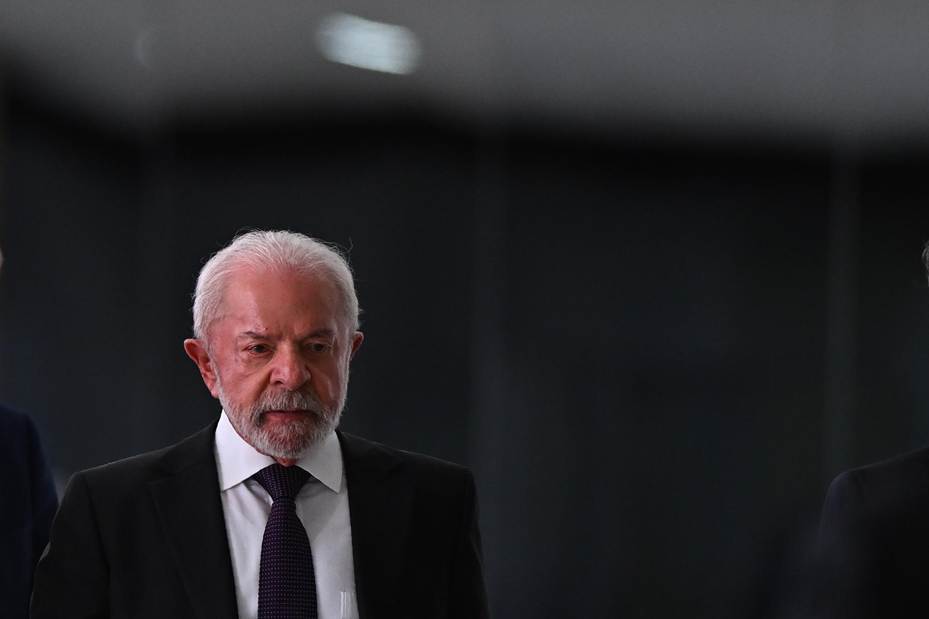
President Luiz Inácio Lula da Silva framed the issue morally, stating freedom cannot be separated from protection. He cited exploitation, sexual abuse, child pornography, bullying, incitement to violence, and self-harm—often tolerated because they occur online. This reflects the core political argument: online harm is as real as harm in the street, school, or home.
The law gained momentum after influencer Felipe Bressanim, known as Felca, published a 50-minute video denouncing the sexualization of children online. The video reached 52 million views on YouTube and accelerated approval of a bill that has been in progress since 2022. This shows how public outrage now spreads: a social platform created conditions that compelled state action.
Brazil Chooses Regulation Over Digital Abandonment
Politically, Brazil avoids the most drastic measures. Australia banned social media for children under 16, and Indonesia plans a similar move. Brazil instead strengthens parental supervision and holds companies more accountable for digital products and services.
Guilherme Klafke of the Getulio Vargas Foundation described the framework this way. Though technical, it reveals Brazil’s political stance: regulating access without banning youth’s online activity. It does not demand that children vanish from digital life but holds platforms and guardians accountable for their structure.
This is a sophisticated position for Latin America, where regulation is often seen as censorship or too weak. Brazil seeks a third path that accepts digital life as permanent but rejects the commercial logic that dictates children’s experiences.
Maria Mello of the Alana Institute framed the issue concretely. She said manipulative design harms children by increasing anxiety, disrupting school, and causing vision problems. She also highlighted sexual exploitation, self-harm encouragement, cyberbullying, and the misuse of children’s data for profit. This is not isolated incidents but a business model targeting a vulnerable audience.
This law’s politics extend beyond Brazil. Latin America is a major consumer of digital economies, but lacks power over system design. Its children use platforms engineered, monetized, and defended by companies with resources surpassing those of national regulators. Brazil’s law addresses not just children but democratic authority: who writes the rules, corporations or the republic?
Tech companies responded clearly. WhatsApp introduced parent-managed accounts, letting guardians control contacts and groups. Google plans to use AI in Brazil to automatically identify minors and block content. YouTube requires parental supervision for users under 16 to create or maintain channels. These practical steps are also political concessions, showing that when a major Latin American state acts, global platforms must adapt.
What This Means for Latin America’s Next Digital Battles
A final tension deserves attention. Renata Tomaz of the Getulio Vargas Foundation warned that the new restrictions may frustrate young users. She stressed the need to engage children in dialogue so they understand the law’s purpose. This may be the most important political insight.
Regulations that speak over children rather than with them risk repeating paternalistic habits common in Latin America. Protection can become command if not explained and justified to those it serves. Tomaz hopes children will say, “It’s good that I’m being protected.” This is a crucial test. Such a law cannot rely on punishment and fines alone; it must also build consent.
In this sense, Brazil’s new statute is a regional rehearsal. It questions whether Latin America can regulate the digital sphere as seriously as traditional public spaces. It challenges governments to confront platform power without panic or moral theater. It asks if freedom can be defended not as market exposure but alongside boundaries, care, and public responsibility.
It also highlights Brazil’s political role in the region. When Brazil legislates boldly, it sets a horizon for neighbors, even if they do not immediately follow. This law may become part of a broader Latin American dialogue on digital childhood, corporate responsibility, and limits of platform self-regulation.
The old narrative claimed the internet was too fast, borderless, and inevitable to govern. Brazil has challenged that myth. For Latin America, this is significant. It suggests the region may finally be ready to stop treating its children as collateral damage in someone else’s algorithm.
Also Read: Peruvian Women Rewove Imperial History Through Tombs, Thread, and Power