Jamaica Hurricane Melissa Turns Sprint Glory into Shelter and Demands

After Hurricane Melissa struck Jamaica as a category-five storm in October, at least twenty-eight people died and thousands faced days without clean water or safe roofs. Now Asafa Powell and Noah Lyles channel rivalry into relief, pushing aid beyond headlines and into rebuilt homes.
A Champion Walks into the Aftermath
In Jamaica, storms do not end when the wind quiets. They continue in the mud that hardens on skin, in the ruined electrical lines, in the long distances people walk for basic water, and in the private shame of not being able to wash a baby or cook a meal. After Melissa, the island’s familiar rhythms—market mornings, school runs, church Sundays—were interrupted by a new schedule set by debris removal and the search for somewhere dry.
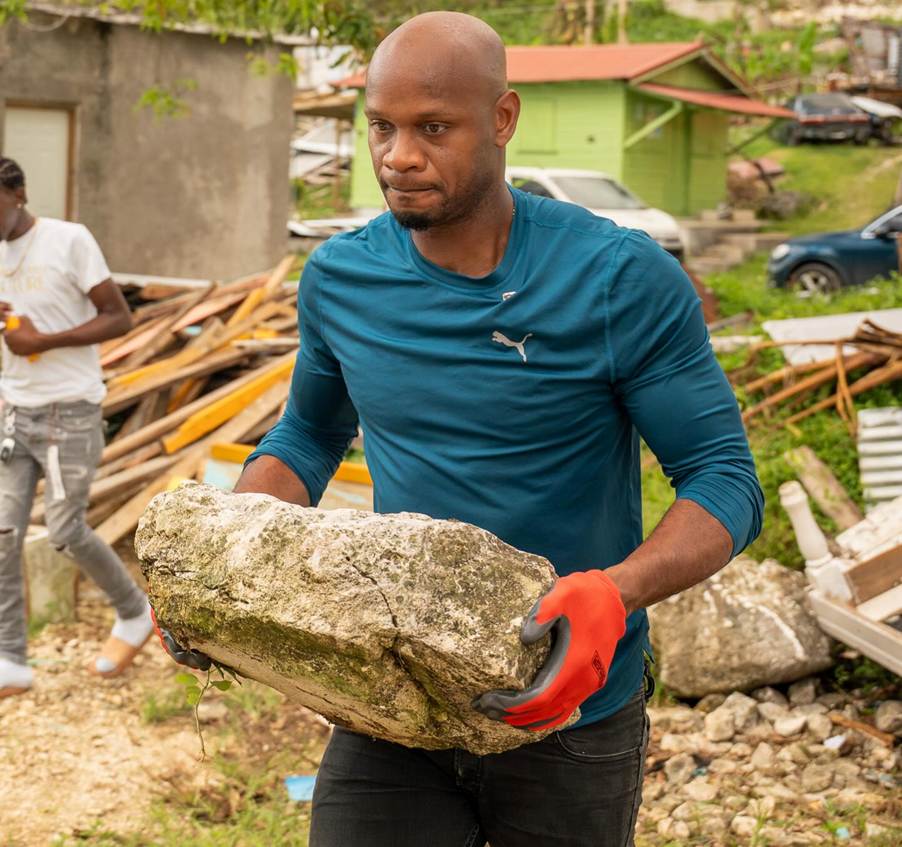
Asafa Powell, a two-time one hundred-meter world record holder and a member of Jamaica’s 2016 Olympics gold-medal-winning four-by-one hundred relay team, lives in Kingston. He visited the areas hit hardest and described the kind of devastation that doesn’t photograph neatly. “My heart was just overwhelmed with sadness,” he said. He tried to discipline his attention toward usefulness: “I tried not to focus too much on the devastation and tried to see how I could best assist.”
He spoke not like an athlete guarding a public image, but like a neighbor confronting the rawness of need. “When you see mothers with young babies, or people who can’t even shower and have had mud on them for days—it is something that will make you cry,” he said. In those sentences is the real currency of disaster: dignity, and the loss of it.
When Rivals Become Partners
Noah Lyles enters this story carrying a different flag, but a familiar kind of pressure. The American won the one hundred meters at the 2024 Paris Games and is a four-time two hundred-meter world champion, part of a U.S. sprint tradition that Jamaica has spent two decades learning to beat. Powell welcomed the reversal: rivalry, for once, produced collaboration.
“We are trying to give back everywhere we can,” Powell said, describing the help he and Lyles are providing. In the Caribbean, where international attention can flare and fade, famous names can move resources quickly—raising money, directing supplies, and keeping the story alive long enough for practical rebuilding. That does not replace institutions. But it can shame them into staying.
Powell described handing over two houses to families in need. “They were very happy and that made me feel overwhelmed with joy,” he said. His wife cried, he said, and so did the families. One household had four children, another had three, details that turn “housing” from a policy word into a physical relief: a door that closes, a roof that holds, a bed that stays dry.
Recovery That Outlasts Applause
Powell framed the giving as reciprocity, not charity. “Whenever I am on the track competing, these are the people who have been cheering me on and feeling proud of me,” he said. “To give something back makes me feel very proud and makes me want to do a lot more.” In that exchange lies a quiet Jamaican truth: national pride has always been carried by ordinary people first, and reflected back by champions.
He also warned against the familiar disaster pattern—what happens when the cameras leave. Powell called on “the big organisations” to continue helping and not move on when the attention fades. “I am going to keep helping every month,” he said, arguing that others should stay “for the long run” and ensure people return to homes, not tents and borrowed rooms.
He understands the competition for global empathy. “There is a lot more going on in the world and every minute I see a different flood or natural disaster,” Powell said. “There is a lot to do and a lot of people to help but I hope the best for my country.” In Jamaica after Melissa, hope is not a slogan. It is a demand that recovery be treated like training: sustained, repetitive, and judged by results.
Also Read: Ecuador Mourns A Defender As Guayaquil’s Violence Reaches Football