Mexico World Cup Countdown Meets Iran War and Cartel Shadows
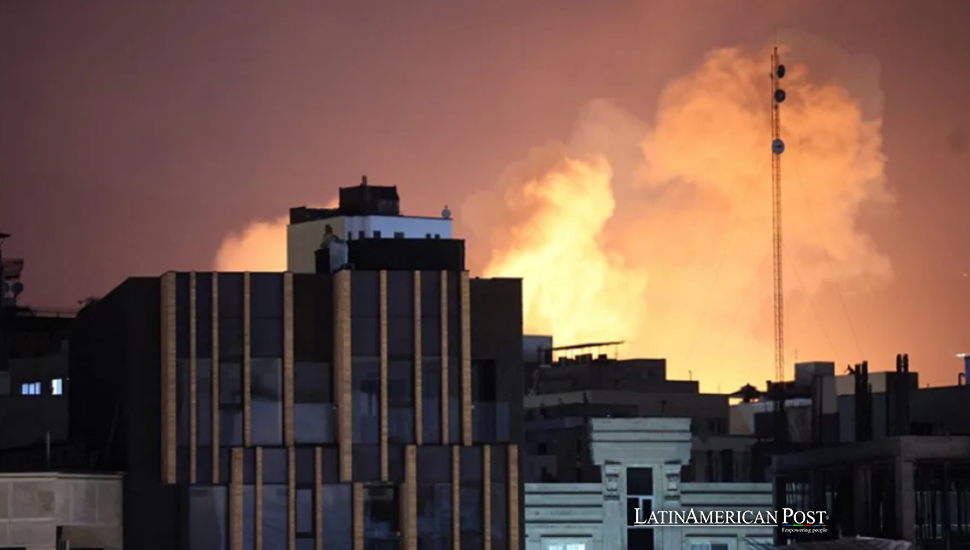
With 100 days to go, two issues are pressing the 2026 World Cup: the U.S.-Iran conflict affecting travel and diplomacy, and cartel violence in Mexico overshadowing host cities. High ticket prices and cuts to fan festivals add to concerns.
A Tournament Under War Headlines
The email landed like a small contradiction. FIFA’s president has proclaimed that every one of the 104 World Cup games is sold out, and yet some fans received messages last week offering an extra 48-hour window to buy tickets. It is a mundane moment, a screen and a timer, but it catches the wider mood of this tournament: nothing feels settled, not even what organizers say is already locked.
With one hundred days left, the war between the United States and Iran has made the World Cup, co-hosted by the U.S., Mexico, and Canada, even more complicated. This week, officials from qualified teams are meeting with FIFA staff in Atlanta for a pre-tournament workshop, where details are usually ironed out. But the issues are growing instead.
The tournament kicks off on June eleven when Mexico plays South Africa in Mexico City. It will be the biggest World Cup ever, with forty-eight participating teams, up from thirty-two at the previous tournament in Qatar. And in the background, the questions are already louder than the chants.
International politics has a habit of leaning over the rope line at the World Cup. In Qatar in twenty twenty two, the treatment of migrant workers and the LGBTQ plus community drew headlines off the field. When Russia hosted in twenty eighteen, LGBTQ plus rights, the annexation of Crimea, and the poisoning of a spy in Britain were part of the conversation. In Brazil in 2014 and in South Africa in 2010, there were concerns about crime and security. The trouble is that 2026 is arriving with multiple frictions at once, including tariffs, travel restrictions, and Donald Trump’s calls for the United States to take over Greenland, which have rattled Denmark as it tries to qualify through the playoffs in March.
Now add a war with Iran. Add a tournament spread across three countries. Add a ticket market that floats above ordinary life.
FIFA says there are about 7 million seats to fill and that it received 500 million ticket requests last month. In December, ticket prices reached $8,680. After criticism, FIFA said it would offer a few hundred $60 tickets for each game to the forty-eight national federations, which will decide how to give them to loyal fans. Meanwhile, most seats on FIFA’s resale platform cost over $1,000, and FIFA charges an additional 15 percent fee for buyers and sellers. The World Cup is meant to be a shared festival, but the money tells a different story.
Iran’s Place and the Politics of Arrival
Iran is scheduled to play two group stage games in Inglewood, California, and one in Seattle. But it’s unclear whether the Iranian team will actually come to the U.S., and that uncertainty affects everything, including the people trying to organize the tournament as the clock ticks down.
“What is certain is that after this attack, we cannot be expected to look forward to the World Cup with hope,” said Iran’s top soccer official, Mehdi Taj, last weekend as the United States and Israel launched coordinated attacks that killed Supreme Leader Ayatollah Ali Khamenei and dozens of other senior officials.
Iran has not announced its withdrawal, and the notes point out that no team that qualified has withdrawn in the past 75 years. Still, the status is unclear, and that matters because the World Cup is not only a sporting calendar. It is visas, border control, political signaling, and the basic question of who is allowed to arrive.
Iran, ranked second in Asia in the notes, was drawn into a group with Belgium, Egypt, and New Zealand. FIFA did not immediately respond to a request on whether the Iranian federation officials attended the Atlanta workshop. That silence sits beside Taj’s statement in a way that feels almost like a gap in the script.
Around the tournament, other logistical pieces are shifting too. Fan festivals have been a key part of the World Cup experience for the past two decades, places where people without match tickets can still share the atmosphere by watching games on big screens. Some of those plans are now being scaled back in the United States. New York and New Jersey eliminated a Fan Fest in Jersey City, even though it had started selling tickets for an event scheduled to be open every day. Planning to sell tickets was unprecedented for World Cup fan zones, which were free to enter since their launch in Germany in two thousand six.
Seattle cut down its original plan and rescheduled it for smaller venues. Boston trimmed its event to sixteen days. The chief operating officer of Miami’s host committee said during a congressional hearing on Feb. twenty four that it might cancel its event if it did not receive federal funding within thirty days. Kansas City’s police deputy chief, Joseph Maybin, said the city had an immediate need for federal funds to prepare for security. House Republicans said federal money may be held up by the partial government shutdown of the Department of Homeland Security, caused by Democrats insisting restrictions be placed on Immigration and Customs Enforcement agents.
This is what a World Cup looks like before the first whistle. Meetings. Permits. Funding fights—and now, war.
Cartels, Host Cities, and the Narco Culture Lens
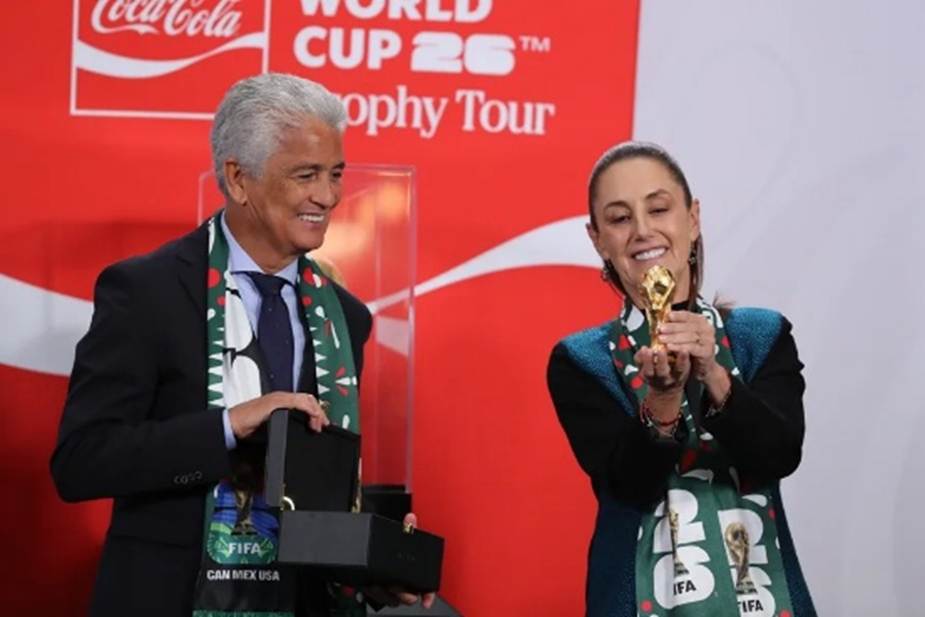
Mexico’s ability to co-host has been under scrutiny after a surge in violence last week in the state of Jalisco following the military’s killing of a powerful cartel boss. Guadalajara, the capital of that state, is set to host four group-stage matches. In a different kind of countdown, those matches are the part that is supposed to feel simple: teams arrive, fans arrive, ninety minutes decide something clean. But cartel violence does not behave like a separate storyline. It becomes part of the atmosphere, and that is where narco culture takes root, in the way violence seeps into how places are talked about, how they are marketed, how people imagine them from far away.
Mexico’s government insists the World Cup will not be affected. President Claudia Sheinbaum said there is no risk to fans attending the tournament. Gianni Infantino told Sheinbaum he has full confidence in Mexico as a World Cup host. Infantino has repeatedly promised the two thousand twenty-six tournament will be the greatest and most inclusive.
The hope is that confidence can turn into real safety, and that security plans will be strong enough to prevent both panic and real threats. But there’s another challenge, both cultural and political. When a host city is talked about because of cartel violence, that becomes part of the story people hear about the country. And that story is harder to control than any street corner. It spreads faster than official reassurances. It sticks.
The World Cup always invites mythmaking, the bright kind. The danger for Mexico is that narco culture is a darker form of mythmaking, built from fear, reputation, and the constant sense that power sits in more than one set of hands. In that context, security is not only about preventing incidents. It is also a matter of reclaiming the narrative space around the tournament.
The calendar does not pause for geopolitics or violence. Foxborough, Massachusetts, will host seven games at the New England Patriots’ stadium, starting with Haiti vs. Scotland on June thirteen and ending with a quarterfinal on July nine. That is FIFA’s plan. But the Select Board of Foxborough has refused to issue a permit for matches and set a March 17 deadline to pay $7.8 million, which the town estimates will cover police and other expenses. Foxborough said it was not part of FIFA’s hosting agreement with Boston.
So, before the tournament even starts, the picture looks like this: a workshop in Atlanta, a war casting doubt on one qualified team’s participation, fan festivals being cut back, permits denied, federal funding tangled up, and Mexico working to assure the world that cartel violence won’t define its World Cup. Nothing feels settled yet.
Also Read: Mexico Bets on World Cup Calm While Mencho Fallout Spreads