How You Can Build a Career as a Nurse Educator
If you’re drawn to healthcare but also like teaching, a nurse educator career sits in a pretty powerful spot. You get to shape future nurses, improve patient care indirectly, and stay connected to clinical practice without spending every shift at the bedside. It’s a role with real influence, especially as healthcare systems need better training, stronger leadership, and faculty who understand how medicine works outside a textbook.
What a Nurse Educator Actually Does
A nurse educator teaches nursing students or practicing nurses in academic, hospital, and clinical settings. Your work might include creating lesson plans, leading simulations, evaluating clinical performance, and explaining everything from pharmacology to patient communication without making eyes glaze over.
Some educators work in colleges. Others train new hires in hospitals or guide specialty staff in areas like critical care or pediatrics. A clinical nurse educator, according to St. Thomas University, often focuses on hands-on instruction, mentoring nurses in real care environments where decisions need to be sharp and fast.
You’re not just delivering lectures. You’re helping people connect theory to practice. One day you may review charting errors. The next, you may run a simulation on sepsis response. It’s equal parts teaching, coaching, and quality improvement.
Skills You Need Beyond Clinical Knowledge
Strong clinical experience matters, but teaching takes more than knowing your material. You need to break down complex ideas clearly, read the room, and adjust when students look like they’ve been hit by a wall of medical jargon.
Useful skills include:
- Communication that is clear and direct
- Confidence with presentation and public speaking
- Patience during coaching and evaluation
- Familiarity with curriculum development
- Comfort with educational technology and simulation tools
- Critical thinking and evidence-based practice
Emotional intelligence also counts. Nursing students and early-career nurses are often stressed, overloaded, and trying not to miss anything important. Your ability to give useful feedback without crushing motivation can change how they learn.
Healthcare is also packed with policy changes, accreditation standards, and new treatment protocols. A good educator keeps up, then translates those updates into practical teaching that people can actually use on the floor.
Education Pathways That Can Move You Forward
Your first step usually starts with becoming a registered nurse and gaining clinical experience. After that, many nurse educators pursue advanced education, especially if they want to teach in universities or step into leadership-heavy training roles.
A master’s degree can open doors, but doctoral preparation can push your career further. A Doctor of Nursing Practice focused on education often combines advanced nursing knowledge with leadership, pedagogy, and healthcare improvement. That means you’re not only teaching future nurses. You’re helping shape safer systems and stronger learning environments.
When you review programs, look at clinical requirements, online flexibility, faculty support, and whether the coursework covers instructional design, assessment methods, and academic leadership.
Where You Can Work and What the Role Looks Like
Nurse educators work in more places than many people expect. Colleges and universities are the obvious option, but hospitals, private healthcare systems, public health departments, and specialty training organizations also need skilled educators.
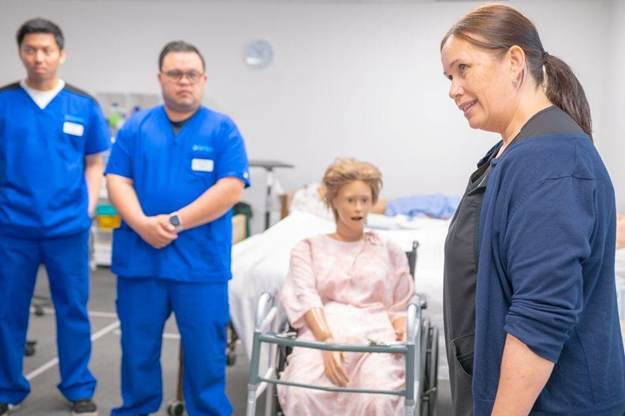
In an academic setting, your day may include lectures, office hours, grading, and student advising. In a hospital, you might train staff on new procedures, assess competencies, or help launch continuing education programs. Some roles blend classroom teaching with bedside mentoring, which keeps your instruction grounded in current practice.
You may also contribute to:
- Orientation for newly licensed nurses
- Professional development workshops
- Simulation lab training
- Clinical competency assessments
- Patient safety initiatives
- Evidence-based practice projects
The pace varies by workplace, but the impact stays high. You’re helping reduce errors, strengthen confidence, and improve care quality without needing to wear ten pagers at once.
Challenges You Should Expect Before You Commit
This career is rewarding, though it’s not exactly a low-effort side quest. Teaching demands preparation, evaluation, and constant updating. Students need support. Institutions need documentation. Healthcare changes fast, and your material can get outdated faster than an untouched cafeteria salad.
You may also face faculty shortages, budget limits, and pressure to balance administrative work with meaningful instruction. In clinical education roles, you’ll need to maintain credibility in both patient care and teaching practice.
Still, many nurses find this path deeply satisfying because the ripple effect is huge. Training one strong nurse can influence hundreds of patient interactions over time. Training a full cohort multiplies that impact fast.
If you like leadership, mentorship, and lifelong learning, nurse education can be a smart move. You’re not stepping away from nursing. You’re helping define what competent, compassionate nursing looks like for the next generation.
How to Decide if Nurse Education Fits You
Ask yourself a few honest questions. Do you enjoy explaining processes to others? Are you the person coworkers turn to when a protocol gets confusing? Do you care about improving systems, not just surviving shifts?
If yes, this field may fit better than you think. Start small if needed. Precept a new nurse, assist with staff education, or volunteer for simulation training. Those experiences show whether you like teaching as much as you like clinical care.
A nurse educator career works well for people who want influence, intellectual challenge, and a role that extends beyond direct bedside treatment. It gives you room to lead, teach, and improve outcomes at the same time.
That combination is hard to ignore. Few roles let you shape both people and practice with this much reach.