Brazil Wildlife Trafficking Exposes the Ugly Price of the Perfect Exotic Pet
A parrot egg concealed beneath a traveler’s clothes in Brazil connects a breeding season to an overseas buyer. A multinational trafficking investigation exposes how collectors, pet markets and weak scrutiny turn Latin America’s wildlife into merchandise, leaving lasting damage behind.
Twenty-Four Eggs and Nine Survivors
At Rio de Janeiro’s international airport, a Swiss traveler preparing to leave Brazil carried 24 wild bird eggs beneath her clothes. That October 2025 interception began an investigation that reached hotel rooms in Gran Canaria and homes in Switzerland.
Only nine chicks survived, according to the International Fund for Animal Welfare, which helped authorities cooperate. Fewer than four surviving chicks for every ten seized eggs. That is this shipment’s outcome, not a universal trafficking mortality rate, but the difference is stark.
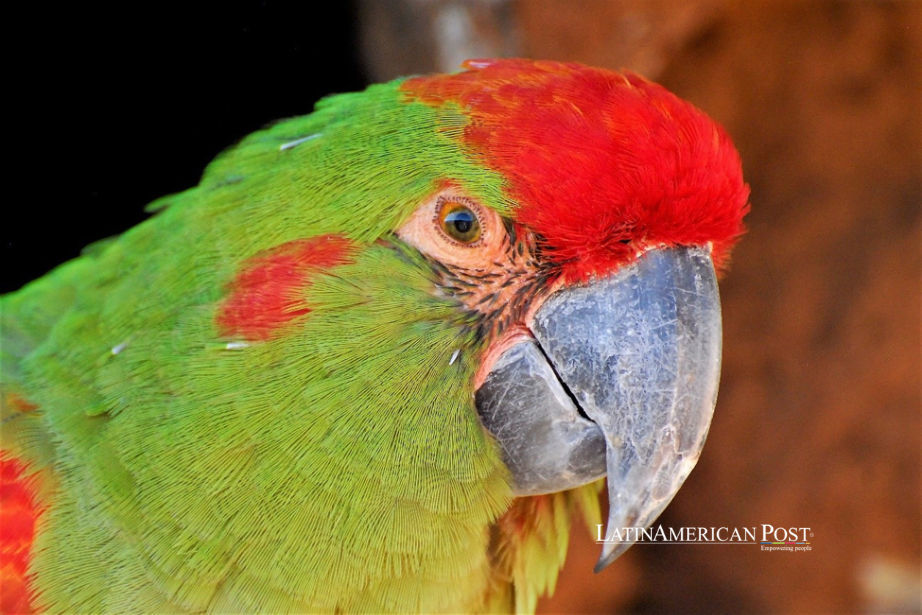
The surviving birds included red-tailed amazons and red-spectacled amazons. Brazil’s Federal Police say inadequate transport caused embryo suffering and deaths. The loss begins earlier, however: eggs removed from nests cannot replenish their wild populations unless successful rehabilitation and release eventually make that possible.
The red-tailed amazon occupies a narrow stretch of Brazil’s Atlantic coast; the red-spectacled amazon is concentrated farther south. Their vulnerability is local as well as international. A shipment containing only a few eggs can matter greatly if traffickers repeatedly target the same breeding sites, hollowing out recovery nest by nest.
For a collector, a surviving chick may become a prized acquisition. For the source population, it represents a breeding opportunity removed. A bird alive in a European aviary does not automatically replace the ecological contribution of one growing up in Brazil.
Authorities announced four arrests and eight searches across Brazil, Switzerland and Spain. Spanish police reported 117 suspicious border movements by an alleged supplier. These are investigative leads, not 117 proven shipments; multiplying them by 24 would manufacture a trafficking total.
In Gran Canaria, officers seized €30,000 and equipment for implanting animal microchips. In a Brazilian home, police reported dead marmosets, preserved animals and bones. The investigation concerns living creatures reduced, at different stages, to cargo, inventory and remains.

The Customer at the Other End
Demand deserves the same scrutiny as the person carrying the eggs. Buyers who prize rarity can make an animal commercially attractive precisely when its wild population has little room for further losses. Collectors may see exclusivity where conservationists see vulnerability.
The seized microchip equipment raises questions about provenance, although possession alone does not establish fraudulent use. A chip identifies an animal; it cannot independently prove lawful origin. Credible captive breeding requires records that can be checked against the animals, their parents and the breeder’s operations.
This case has European connections, but Brazil also buys wildlife. TRAFFIC’s 2020 assessment identified approximately 400 native bird species affected by illegal trade and documented birds entering Brazil from neighboring countries to meet domestic demand associated with singing competitions.
The competitions themselves can be legal. The problem is supplying them with illegally captured birds or disguising wild animals as captive bred. Blaming distant foreigners alone would leave a substantial regional market untouched.
A separate TRAFFIC study of aviation seizures from 2010 through 2020 traced finches from Guyana to singing competitions in New York. Affection for a familiar sound can become destructive when possession depends on removing birds from their habitat.
Responsibility follows the transaction. Sellers should substantiate origin, marketplaces should respond to suspicious listings, and importing authorities should investigate recipients and financing. Otherwise, arresting couriers leaves intact the customers and commercial relationships that make replacement couriers worth recruiting.
A Continent Pays Beyond the Purchase
An IFAW study covering 2017 through 2022 documented 1,945 media-reported seizures and poaching incidents involving at least 102,577 animals across 18 Spanish-speaking countries. Brazil was outside its scope. Mexico, Colombia, Argentina, Peru and Bolivia recorded the highest incident totals in that dataset.
Those figures measure detected, reported cases, not a definitive ranking of national wildlife losses. Reptiles represented 59 percent of counted animals, but two Mexican seizures alone contained 29,502 mud and musk turtles, almost 29 percent of the entire animal total.
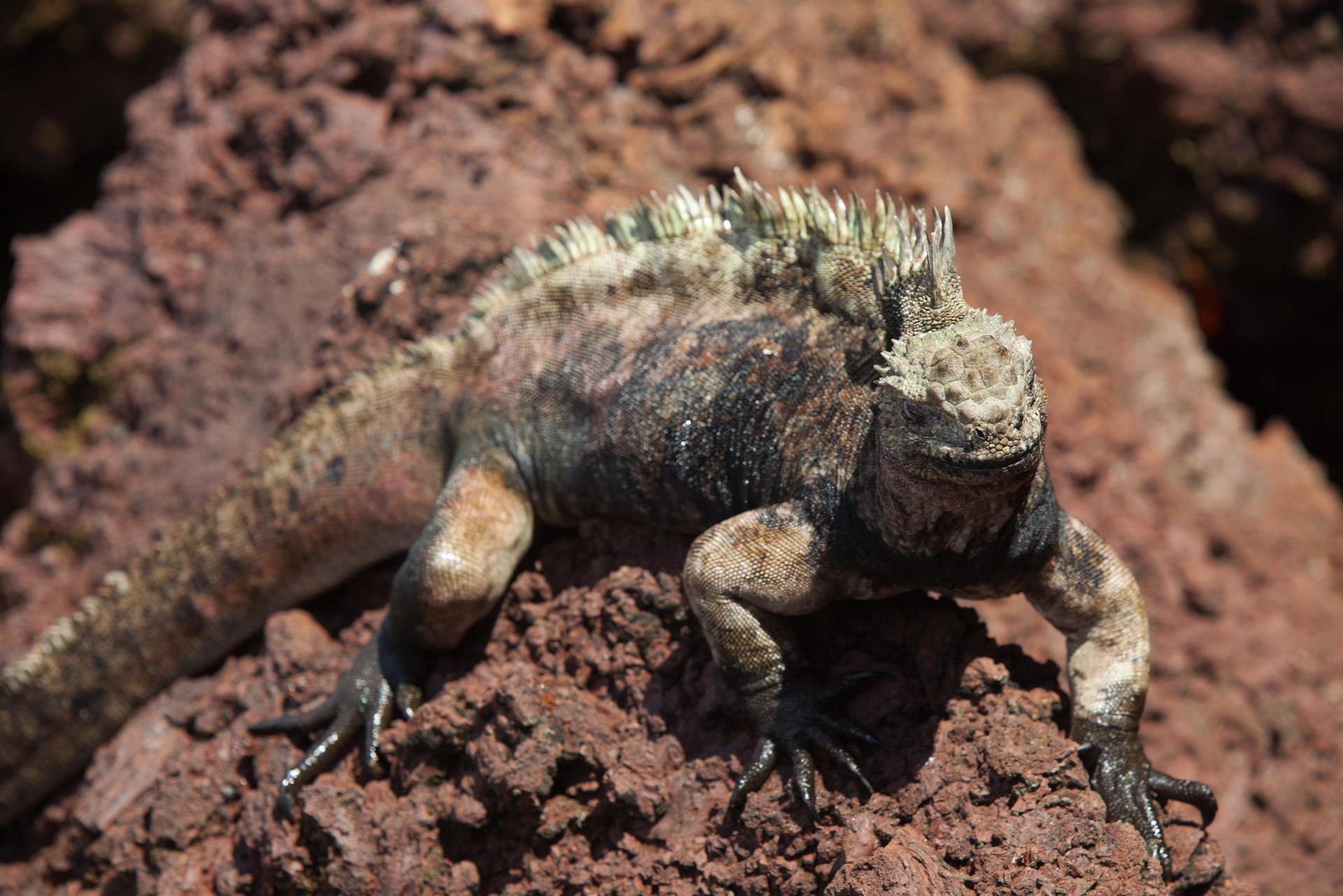
That concentration matters. A few large interceptions can dominate regional statistics, while repeated removals from a small population remain less visible. The same study documented mata mata turtles in Colombia, Galápagos tortoises in Ecuador and yellow-spotted river turtles targeted for meat and eggs in Bolivia and Peru.
Mexico shows how demand can kill animals buyers never intended to purchase. Totoaba swim bladders are trafficked to China, where they are consumed for purported medicinal benefits. Gillnets set for totoaba also entangle vaquitas, the small porpoises whose survival those nets imperil.
The harm therefore exceeds the selling price. Rescue creates obligations for veterinary treatment, quarantine and suitable housing. A confiscation can be a policing success while leaving conservation authorities responsible for years of care. Surviving captivity does not guarantee an animal can safely return to the wild.
For Latin American communities, wildlife also supports identities and livelihoods that depend on animals remaining present. Removing breeding opportunities weakens the foundation of future populations. Where habitat is already shrinking, trafficking adds pressure that protecting trees alone cannot resolve.
The Brazil investigation shows why cooperation must extend beyond catching someone at an airport. Destination countries share responsibility for checking the markets that receive these animals and supporting their recovery. Nine surviving chicks are worth saving. They are also a reminder of how little a successful seizure can undo.