Colombia Trained Soldiers for Its Own War, Then Ukraine Became Their Workplace
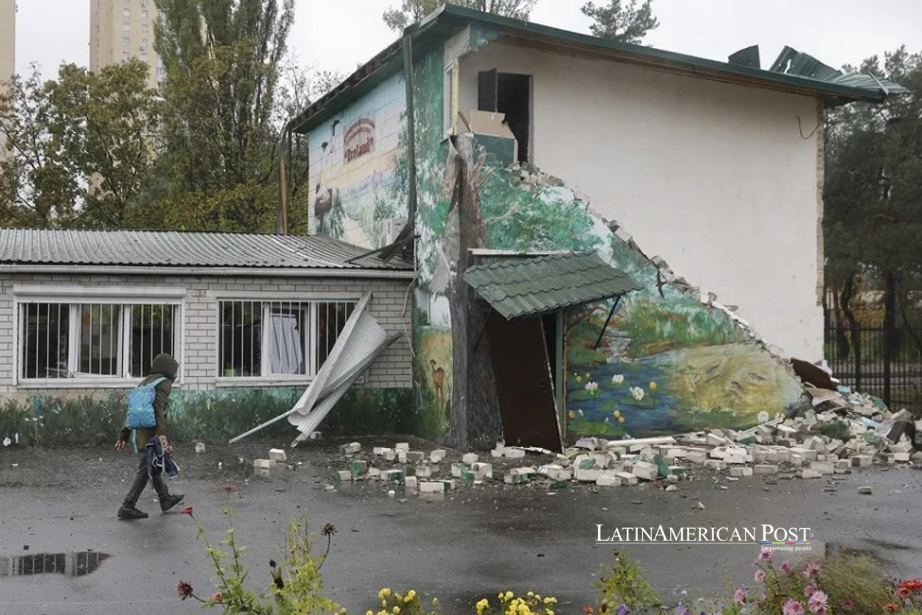
Colombia reports hundreds of deaths and nearly a thousand disappearances linked to Russia’s war against Ukraine. Decades of domestic conflict have created experienced fighters, while limited civilian opportunities and deceptive recruitment can turn military skill into a dangerous export industry.
The Country Waiting for Names
For families waiting in Colombia, a war thousands of miles away can arrive as a report that answers almost nothing: missing.
The Foreign Ministry said Thursday that it had received reports of 256 citizens killed and 973 missing in connection with Russia’s war against Ukraine. Those figures remain subject to verification. They describe a national emergency unfolding through individual families, consular files and uncertain efforts to find people or bring their remains home.
Missing-person reports outnumber reported deaths by roughly 3.8 to one. That measures the scale of uncertainty, not an additional death toll. A disappearance report cannot establish whether someone has died, been captured, or become unreachable. Families may face interrupted income while lacking the documentation needed to resolve benefits or other obligations.
The ministry received 162 death reports from Ukraine and 94 from Russia, alongside 676 disappearance reports from Ukraine and 297 from Russia. Those are reporting channels, not reliable evidence of which army each person served. Its 1,927 assistance requests likewise cannot be added to the other figures as separate victims.
A February Atlantic Council analysis estimated that 300 to 550 Colombians had died fighting for Ukraine and identified Colombians as the foreign contingent suffering the largest losses. That supports the possibility that Colombia bears Latin America’s heaviest direct combat toll. It does not establish which country suffered most through inflation, trade disruption, or other consequences.
The independent estimate also exceeds the government’s reported total, despite its narrower focus on Ukraine’s forces. Different sources, verification standards and reporting coverage could explain the gap. Without matching individual cases, neither figure can responsibly replace the other.
What emerges clearly is an unusually intimate Colombian exposure to a European war: the person missing from a household may have left because fighting seemed the most credible way to keep that household afloat.
When Experience Becomes an Export
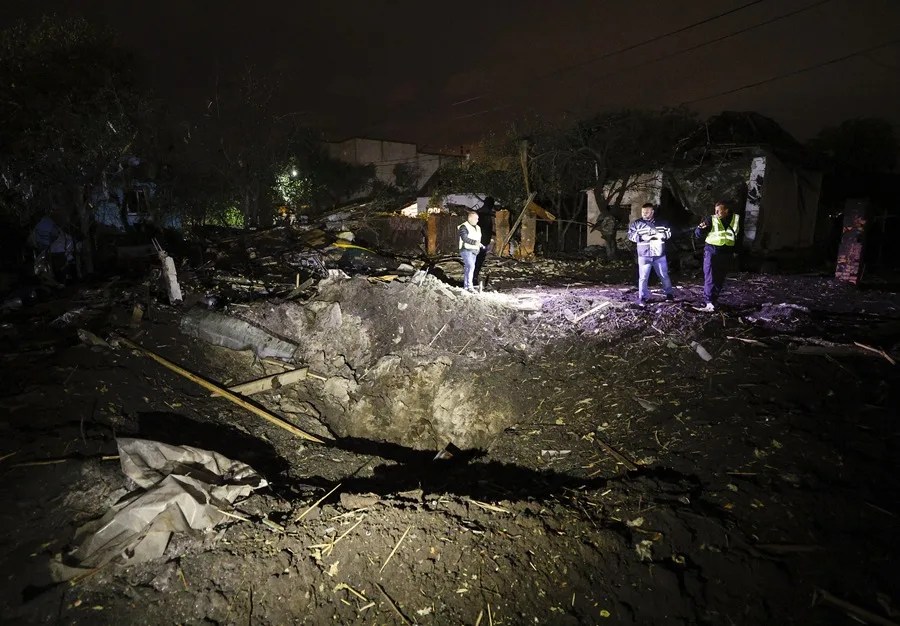
Colombia’s long internal conflict helps explain the supply. United Nations experts said in March that decades of warfare had produced personnel with specialized combat, counterinsurgency and intelligence training. International recruiters can draw on skills acquired through repeated service, rather than starting with inexperienced applicants.
Violence has therefore created a labor market that survives the battles that trained its workers. A soldier’s expertise can remain valuable to an armed employer long after military retirement. The difficult transition is finding civilian employment that recognizes discipline and experience without requiring another deployment.
Atlantic Council researcher Erin McFee described veterans leaving service in their late thirties or early forties after fifteen to twenty years of counterinsurgency experience. Retraining programs exist, she wrote, but often fail to connect with actual employment opportunities. These are people with working lives ahead of them and families still needing support.
The UN working group documented promised monthly salaries of $2,000 to $6,000 and recruitment through social media and former comrades. An offer passed along by someone who once shared military service may carry a credibility that an anonymous advertisement lacks. Familiarity can make the recruiter’s promises feel less speculative.
The group was told that more than 10,000 Colombians could have been recruited abroad, many into armed conflicts. That uncertain estimate covers several countries, including Sudan and the Democratic Republic of Congo. It is neither a verified count of mercenaries nor a denominator for calculating mortality in Ukraine.
The imbalance is stark. Colombia bears the expense of training personnel and the consequences of its prolonged conflict. Foreign employers obtain experienced recruits. When contracts fail, workers disappear, or bodies require repatriation, Colombian families and institutions bear the costs.
A Contract Cannot Guarantee a Return
Calling everyone a mercenary obscures crucial distinctions. International humanitarian law applies a specific definition with cumulative conditions, including that the person is not a member of a party’s armed forces. Foreign nationality and a paycheck alone do not establish mercenary status. Lawful enlistment, private contracting and trafficking require different assessments.
UN experts documented predatory recruitment involving false promises, confiscated documents and restrictions on movement. Some recruits were pushed into dangerous combat roles under conditions that could constitute exploitation or trafficking. For those individuals, the supposed employment opportunity becomes a trap.
Bogotá says it neither promotes nor participates in recruitment and has asked both Russia and Ukraine to prevent Colombians from joining their forces. It has referred information about potentially deceptive recruitment to prosecutors. But the Foreign Ministry also says it cannot cancel contracts individuals sign with foreign militaries.
That limitation exposes the distance between accepting an offer and securing an exit. Consular assistance can pursue information and cooperation; it cannot promise release, recovery of remains, or payment of disputed benefits.
Reducing the flow requires credible work after military service, scrutiny of recruiters and support for wounded returnees. Otherwise, another overseas contract can remain the strongest offer available to someone already injured by war.
For the families behind the missing-person reports, the immediate demand is smaller and more urgent than any policy overhaul. They need a verified answer about the person they love. Colombia’s decades of violence helped make its fighters valuable abroad; their families are now discovering how little that value guarantees their return.