Barranquilla Counts on Boca and Atlético to Fill Its Cash Register
Boca Juniors and Atlético Mineiro will play for a $10 million prize on Saturday. Barranquilla is watching the money outside the stadium, where a sold hotel room, a bus fare and a plate of fish help explain a $60 million forecast.
The First Score Comes From the Bus Terminal
Long before kickoff at the Estadio Metropolitano Roberto Meléndez, Barranquilla’s bus terminal has a number worth watching. On an ordinary weekend, about 45,000 passengers pass through. For November 19 through 22, the terminal expects close to 100,000. A ticket clerk on the Colombian Caribbean coast could finish a shift on Sunday with a better sense of the scale of this Copa Sudamericana final than someone who spent Saturday inside the stadium.
The forecast amounts to roughly 55,000 additional passenger movements. Some will be return trips by people counted on arrival. Others will be ordinary travelers who happen to share a bus with Argentine or Brazilian supporters. Even allowing for that, the terminal expects to handle more than twice its customary volume. For the driver who takes a family from the station to a hotel, the extra business starts well before anybody needs a ride to the match.
Mayor Alejandro Char put the weekend’s anticipated economic impact at $60 million. His strongest piece of evidence is who bought the tickets. According to Char, supporters of the two visiting clubs accounted for 75 percent of sales. A Barranquilla resident who buys dinner near the stadium might otherwise have eaten across town. A visitor from Buenos Aires or Belo Horizonte brings money that, on another Saturday, would probably have been spent in another country.
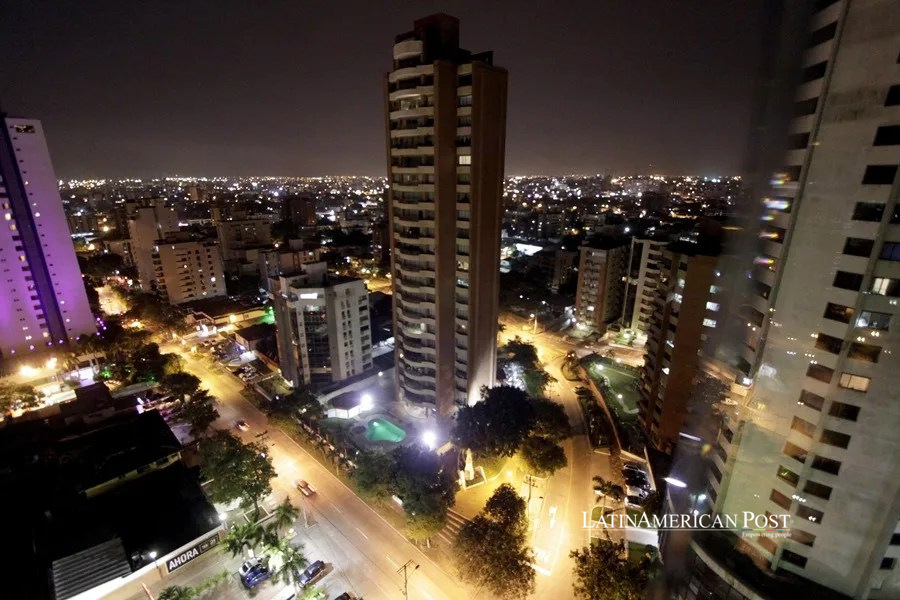
Then comes the question of where everybody sleeps. Mario Muvdi, who heads the Atlántico chapter of the Colombian hotel association Cotelco, counts nearly 300 establishments, more than 9,000 rooms and about 17,000 beds in Barranquilla. Char reported full occupancy Thursday. Muvdi expected something close to it over the weekend and said bookings had reached Cartagena and Santa Marta. A fan can cheer in Barranquilla, eat there twice and still leave the biggest payment of the trip at a hotel in another city.
What Four Meters Bought
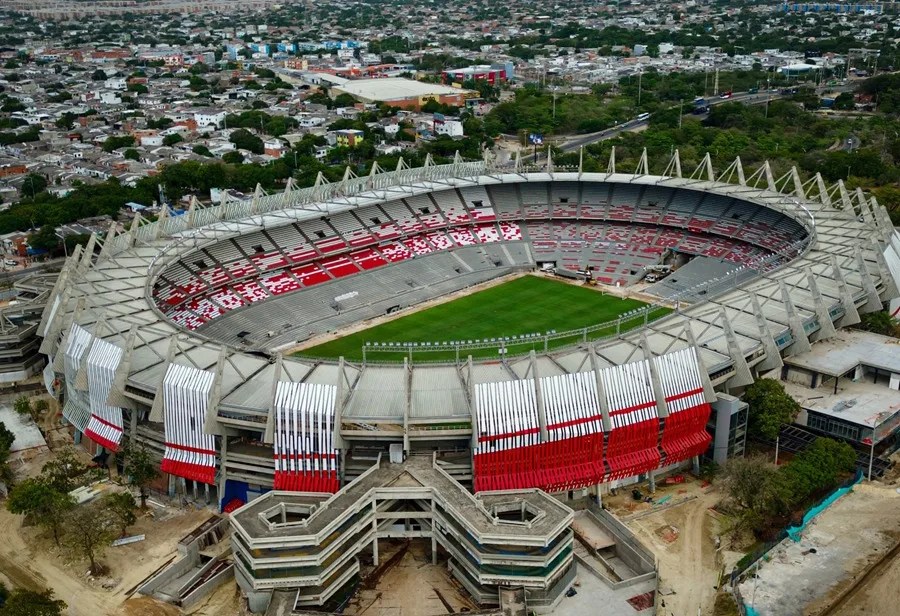
To appreciate what Barranquilla paid for, look down. The city lowered the playing field nearly four meters, bringing spectators closer to the action and making room for new seating. The renovation included more than 10,800 retractable seats and wider entrances. The old Metropolitano held about 43,000 people. The rebuilt ground can accommodate 65,000 for soccer, roughly half more. Anyone who remembers trying to follow play from a distant row can appreciate the change in its own right.
Char said the city spent more than 250 billion Colombian pesos, about $75.3 million, on the publicly financed project. Set beside the mayor’s $60 million weekend forecast, the figures practically invite the conclusion that one final could cover four-fifths of the bill. The city treasury, however, paid the contractors. Hotel owners collect the room charges. Restaurant workers earn wages and tips. Only a portion of that activity reaches the municipal budget, and the forecast gives no figure for how much.
The seats will still be there on Monday. For concerts, the city says capacity could reach 75,000, giving promoters room for another 10,000 customers beyond the soccer configuration. How often they book the venue will matter more to its long-term finances than Saturday’s attendance. Meanwhile, on November 19 and 20, the free Fiesta Sudamericana gives people without match tickets somewhere to go. Along the Gran Malecón on the Magdalena River, a food vendor can sell supper to an entire family that never sets foot in the Metropolitano.
The Price of the Final Whistle
The clubs know their numbers more precisely. The winner of South America’s second-ranked club tournament gets $10 million, and the runner-up gets $2.5 million. Last year Lanús earned $5.5 million for winning, while the losing finalist received $2 million. In one edition, the champion’s check has grown by about 82 percent and the runner-up’s by 25 percent. The financial difference between winning and losing has consequently widened from $3.5 million to $7.5 million.
Boca reached Barranquilla by a route that helps explain the peculiar economics of South American soccer. Seven points and third place in its Copa Libertadores group sent the Argentine club into the Sudamericana playoffs. By then it had earned about $3.68 million in the more lucrative Libertadores. Five wins in eight Sudamericana matches helped bring in another $2.6 million. Boca thus arrives with $6.28 million from two competitions, having earned more from the tournament it exited than from the one it could still win.
Atlético Mineiro took the longer route through the Sudamericana itself. The Brazilian club started in the group stage and played 12 matches, winning six and earning more than $3.4 million before the final. Victory would also secure either club a place in the 2027 Libertadores group stage. For Boca, the competition that offered a second chance in 2026 could pay its way back into the one it wanted in the first place.
Barranquilla gets no share of the champion’s check. Its closest equivalent to a prize is a second booking. A promoter who saw how the stadium handled this crowd might bring a concert back. A Brazilian supporter who came for Atlético might remember a meal by the Magdalena and return with family. Those sales belong to the future. By Sunday, the bus terminal will have an actual passenger count, the hotels will have their receipts, and $60 million will have begun its passage from the mayor’s prediction to a figure Barranquilla can test.