Haitian National Team Stadium Reclaimed, But Home Matches Remain Abroad
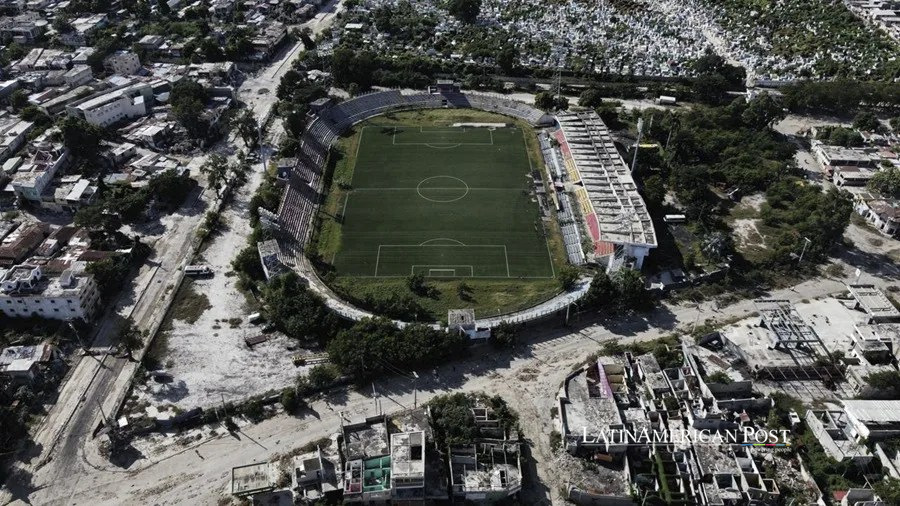
Haitian police have reclaimed Sylvio Cator Stadium in Port-au-Prince, where Haiti earned its first World Cup berth. Salvadoran soldiers now guard the ground. Five years after the men last played there, Haiti’s next home game will take place in Florida.
Both Legs on American Soil
In September 1969, El Salvador’s soccer team came to Port-au-Prince and beat Haiti 2-1 at Sylvio Cator Stadium. The Haitians went to San Salvador a week later and won 3-0. A win apiece meant a playoff. It took a third game in Jamaica and a goal in extra time to send El Salvador to its first World Cup.
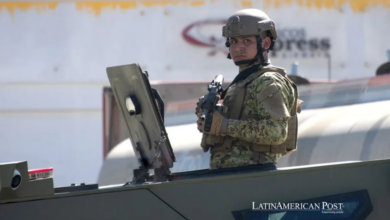
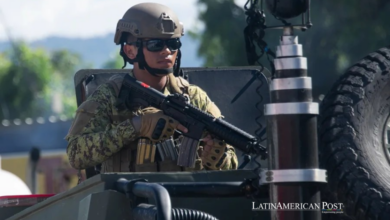
On November 12, Salvadorans wore a different uniform inside the ground. Haiti’s National Police said they had reclaimed the stadium and its surroundings with help from a government task force led by American businessman Erik Prince. Police handed responsibility for security in the area to Salvadoran troops. El Salvador has more than 2,000 soldiers deployed in Haiti, EFE reported. Haiti’s Le Nouvelliste reported military trucks parked inside the stadium.
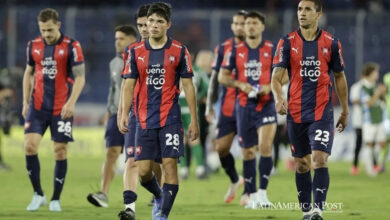
Gangs had controlled the stadium since February 2024. The men’s team, known as Les Grenadiers, had already been away much longer. On June 12, 2021, Canada’s Cyle Larin scored in the 14th minute of a World Cup qualifier in Port-au-Prince. Canada won 1-0. Haiti’s senior men haven’t played another international on home soil since that afternoon.
Haiti will host the United States on Saturday at Nu Stadium in Miami. The second leg of their Nations League quarterfinal will be in Cincinnati. At the Haitian federation’s request, Concacaf gave its national teams and clubs permission to stage home games in an opponent’s country, subject to approval for each match. Concacaf had originally scheduled the opener for Kingston, Jamaica.
When the Crowd Threw Flowers Back
When the rebuilt stadium opened under President Paul Magloire’s name in July 1952, the mayor welcomed Jamaica’s visiting players with champagne. The Haiti Sun reported his challenge to the guests, whose predecessors had won easily in 1923. “You were our teachers; you must beat us again … if you can.” Haiti won the first game 4-1 on a heavy field.
In 1958, the stadium was renamed for Sylvio Cator. As a soccer player, Cator captained Haiti. As a long jumper, he won Olympic silver in Amsterdam in 1928. Weeks later, near Paris, he set a world record of 7.93 meters, becoming the first man to clear 26 feet. For supporters of Racing Club Haïtien and Violette Athletic Club, the place had a simpler distinction. It was where the capital’s old rivals played each other.
On December 13, 1973, more than 15,000 people saw Guatemala take the lead against Haiti in the fourth minute. Emmanuel Sanon equalized before halftime and scored again in the 72nd minute. It was Haiti’s fourth straight win in a six-team tournament with one World Cup berth. All 15 games were played at the Sylvio Cator. The next day, Trinidad and Tobago beat Mexico 4-0 on the same field, putting Haiti beyond reach. Six months later in Munich, Sanon scored against Italy, ending goalkeeper Dino Zoff’s run of 1,142 minutes without conceding an international goal.
Haiti hosted the first Concacaf Women’s Championship in 1991. At the Sylvio Cator, the home side beat Jamaica and Costa Rica to reach the semifinals. Before the Americans played Mexico, their players tossed flowers into the stands, hoping to win over the spectators. “They threw them back!” April Heinrichs recalled in an interview with U.S. Soccer. By the end of the tournament, the crowd had warmed to the visitors, who beat Canada 5-0 in the final.
Ronaldinho had an easier time with the crowd. In August 2004, people followed Brazil’s team through the streets to the stadium for the Match for Peace. The Brazilian federation remembers fans cheering all six goals in Haiti’s 6-0 loss. Ronaldinho scored three. Six years later, after the January 2010 earthquake, some 7,000 people took shelter inside the stadium. Amnesty International documented the forced eviction of families who had stayed there and later camped outside.
Who Gets to Come Home
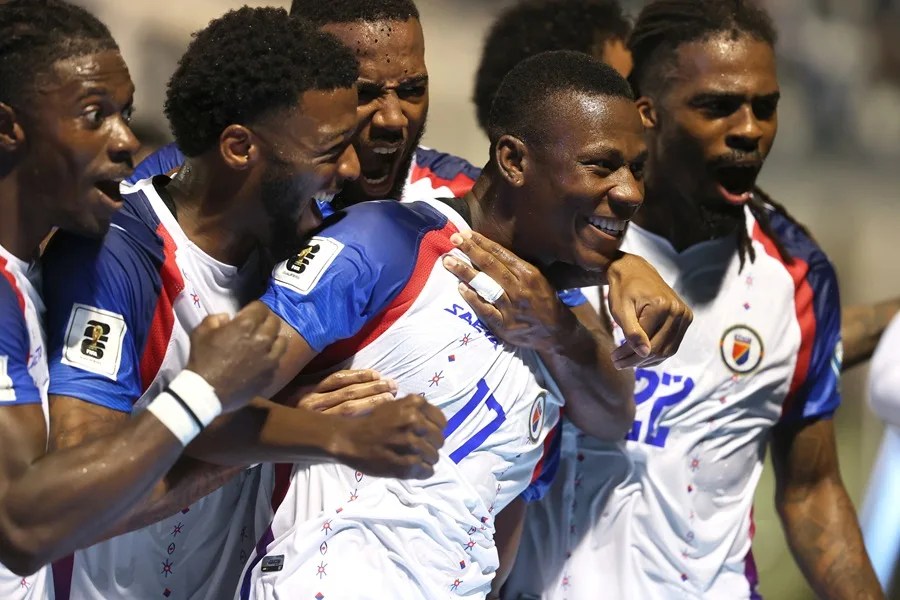
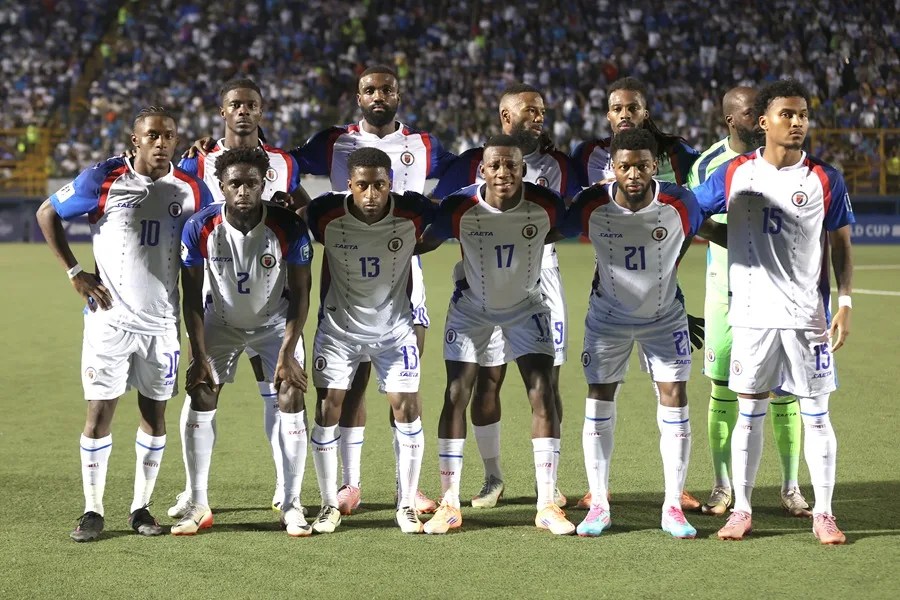
Haiti played every home qualifier for the 2026 men’s World Cup abroad. On November 18, 2025, Ruben Providence headed in Carlens Arcus’s cross just before halftime to put Haiti two goals ahead of Nicaragua in Curaçao. The 2-0 win sent Haiti to its first men’s World Cup since 1974. Back in Pétion-Ville, EFE saw fans running through the streets, some barefoot, on the anniversary of the Battle of Vertières, the Haitian victory over France that cleared the way for independence.
South Florida’s Haitian community helped sell out Miami’s 26,700-seat Nu Stadium for a June friendly against Peru. Fans shopped for flags and jerseys in Little Haiti on the way to the game. Port-au-Prince merchants know that trade, too. Before the Brazil match in 2004, Haiti’s Radio Métropole found vendors at work near the stadium and a makeshift stop for tap-taps, the shared taxis. On Saturday, a vendor outside the Sylvio Cator can expect no customers from the game.
From July through September, the United Nations office in Haiti recorded at least 1,167 deaths and 459 injuries from violence nationwide. Half of those deaths and injuries occurred during security operations against gangs. Across the capital, parents weighing a trip to a game have a different measure of safety. Can they get their children to the stands and home after the final whistle?
The police announcement gave no date for soccer to return. For the capital’s clubs, even an ordinary league match would mean selling tickets again at their old ground. At 4:30 on Saturday afternoon, a child in Port-au-Prince who wants to see Haiti play at home will still have to find a screen.