Chile’s Kast Turns Presidential Palace into a Faith Center
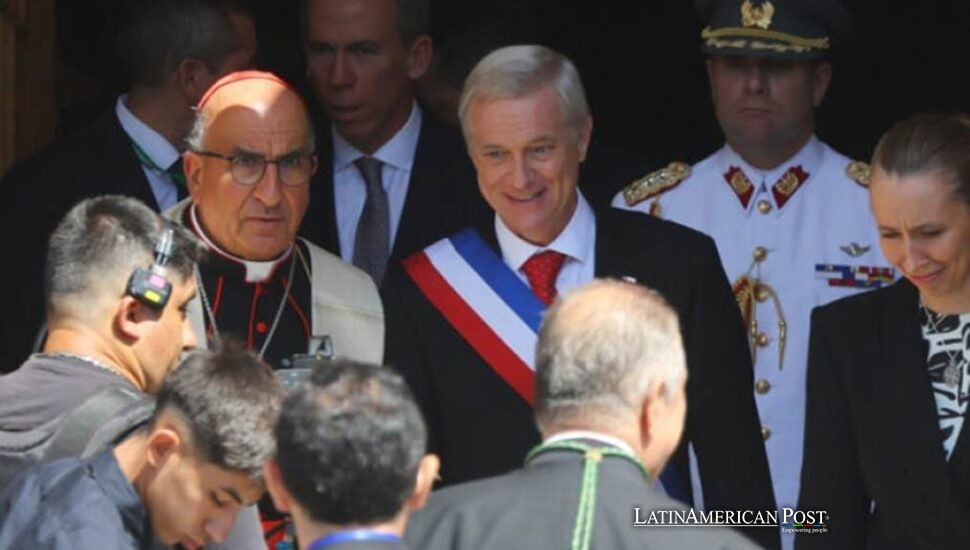
Chile’s new president comes to office with a focus on security, a public Catholic identity, and conservative values. These could influence debates on abortion, LGBTQ+ rights, and state policy, and reflect a wider shift to the right across Latin America.
A Conservative Turn With Regional Echoes
Chile has not simply elected a conservative president. It has elevated a leader whose politics and religious identity are publicly intertwined at a moment when much of Latin America is already wrestling with a sharper, more confident right. That is what makes José Antonio Kast’s arrival at the office matter beyond Santiago. Kast took office on March 11 as a practicing Catholic, a member of the Schoenstatt movement, and a politician long defined by opposition to abortion, same-sex marriage, and even the sale of emergency contraceptive pills. His rise tells the region something uncomfortable and important at once. The old Latin American right is not returning exactly as it was. It is returning with a moral vocabulary that feels older, more intimate, and in some places more electorally usable than many liberals assumed.
Kast won 58% of the vote after promising to fight crime and deport undocumented immigrants. These campaign themes show that the right in Latin America is rarely focused on just one issue. It does not always lead with abortion or religion, even if those values are important. Often, it gains support through concerns about security, migration, and a sense that the government has lost control. Once in office, the moral side of its agenda becomes clearer. On election night, Kast said Chile was starting a journey to “recover values for a proper and healthy life.” This language is not just about policy, but about restoring moral values.
This kind of language is familiar across Latin America. The AP points out that other conservative leaders, like Nayib Bukele in El Salvador and Javier Milei in Argentina, have gained power by focusing on issues like security and economic reform. While the details differ, the overall trend is the same. The right is responding to disorder, fear, and social fatigue, while also bringing back traditional ideas about family, gender, and authority.
Some of Kast’s views are similar to those of Donald Trump, and Trump’s administration welcomed his win. This connection is important. It shows that the Latin American right is not just reacting to local problems. Instead, it is part of a broader trend in which security, national identity, religious conservatism, and pushback against progressive ideas are growing stronger together across countries.
Secular Countries Still Carry Religious Memory
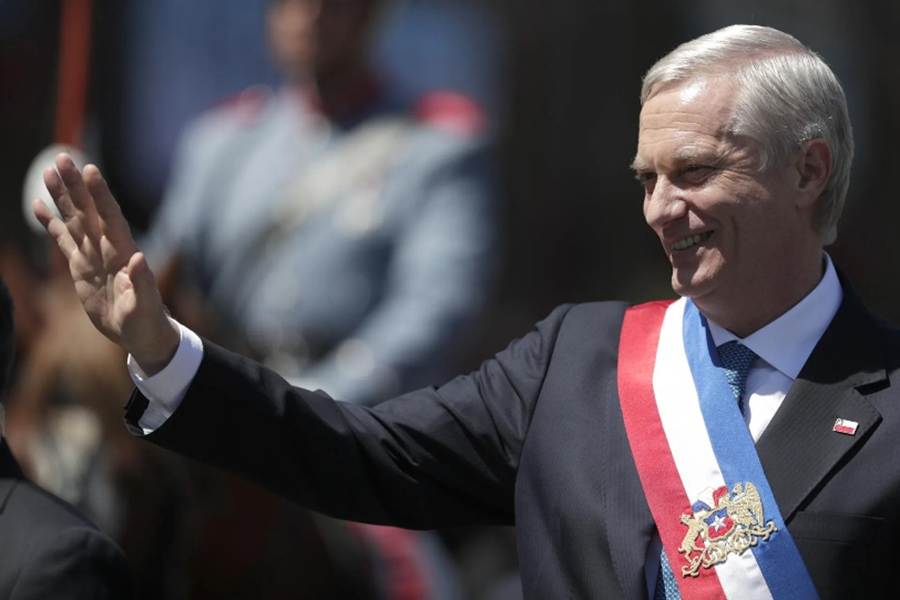
Chile is especially interesting because this change is happening in a country often seen as more secular. The AP reports that, according to Latinobarómetro, Catholic affiliation in the region dropped from 80% in 1995 to 54% in 2024. In Chile, 45% say they are Catholic, 37% have no religion, and about 12% are Protestant. On the surface, Chile appears to be moving away from traditional religion, but the political reality is more complex.
Luis Bahamondes, a religion scholar at the University of Chile, told the AP that the Catholic Church was once one of the country’s most trusted institutions in the 1990s, but lost trust after social changes and abuse scandals. Still, he cautioned against seeing this as a loss of faith. He said the crisis is with the institution, not belief itself. This helps explain Kast’s appeal. People may distrust the Church but still value symbols like family, marriage, order, and moral clarity. The institution may lose respect, but the feelings it represents remain.
This is an important point for Latin America. Many people assume that as societies become more secular, they will automatically become more progressive. But Chile shows that it is not always true. Belief can last even when loyalty to religious institutions fades. Religious language still matters, even if fewer people belong to a church. Bahamondes told the AP that ideas like family and marriage still have strong religious meaning in Chile. He also noted that Chile was the last country in Latin America to legalize divorce in 2004 and that there is still resistance to sex education in schools. These details show that, beneath the surface, there has always been a conservative side waiting for the right moment.
Kast’s connection to the Schoenstatt movement adds another layer to this story. The movement began in Germany in 1914 and reached Chile in 1947. It now has about 10,000 followers and more than 20 shrines in Chile. The AP describes it as focused on devotion to the Virgin Mary, personal growth, and connecting faith with daily life. Rev. Gonzalo Illanes, who leads the movement in Chile, said it is not political but is about faith and personal development. Still, its focus on protecting life from conception to natural death matches Kast’s public positions.
This is where private beliefs and public actions start to overlap. Chile’s new president is not only personally religious; he comes from a community that sees faith as part of everyday life. In Latin America, where religion has always influenced politics, even without direct control, this is significant.
Rights, Budgets, and the Slow Politics of Reversal
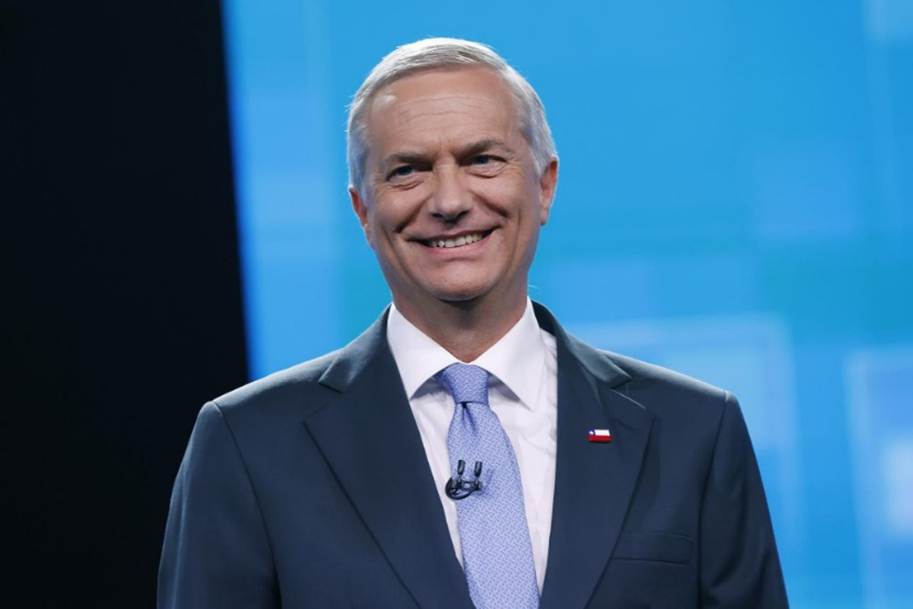
Supporters of abortion and LGBTQ+ rights are concerned for this reason. The AP reports that even if there are no immediate policy changes, many worry that progress will slow down. The concern is not about sudden rollbacks but about slow, lasting obstacles. Cristian González Cabrera of Human Rights Watch told the AP that with Kast, the risk may come from gradual changes, weaker public policies, and more acceptance of anti-LGBTQ+ rhetoric. In many Latin American countries, this is how setbacks now happen—not through big bans, but little by little.
Catalina Calderón of the Women’s Equality Center noted that one of Kast’s first actions was a 3% budget cut. She warned that when leaders from this political group take office, one of the first things that happens is a rollback of individual and women’s rights. Budgets are a quiet form of politics. They decide which values survive in practice. If rights exist only on paper while institutions are weakened, the result is often the same kind of setback, just less obvious and harder to resist.
Calderón also pointed out that Chile’s new Women and Health ministers are openly religious. She said that faith should remain private, but warned that how these beliefs shape government should be closely watched. This may be the main lesson Chile offers Latin America now. The new right need not always enforce religious rules directly. It can simply govern with a moral outlook that changes what people see as possible or important.
This is why Kast is important beyond Chile. He represents more than just a local change. He reflects a mood in Latin America where frustration with crime, migration, and weak institutions creates space for leaders who promise order and bring conservative values. Chile, often seen as one of the region’s more secular and stable countries, now shows that conservative ideas with religious roots can still win elections.
For Latin America, the warning is not just that the right is winning. It is learning to sound familiar again—not as nostalgia, but as comfort. Words like family, plan, values, and order still have power in this region. In Chile, these ideas have now reached the presidency.
Also Read: Colombian Poison Mystery Grows Darker as Serial Killer Fears Spread