Chile’s Long Shadow Reaches Australia in a Pinochet Extradition Case
A court ruling in Australia has reopened one of Chile’s oldest wounds, showing how dictatorship crimes do not stay buried. For Latin America, the case is about memory, accountability, exile, and the stubborn afterlife of state terror across borders and decades.
When Distance Fails to Protect the Past
For years, the story seemed to carry the familiar shape of impunity. A woman accused in Chile of helping enforce one of Latin America’s most feared systems of political repression had built a life in Australia, far from the country where families kept waiting for the missing to come home. She worked ordinary jobs. She lived in a suburb better known for beaches than for the memory of secret police. And still, the past kept pressing at the door.
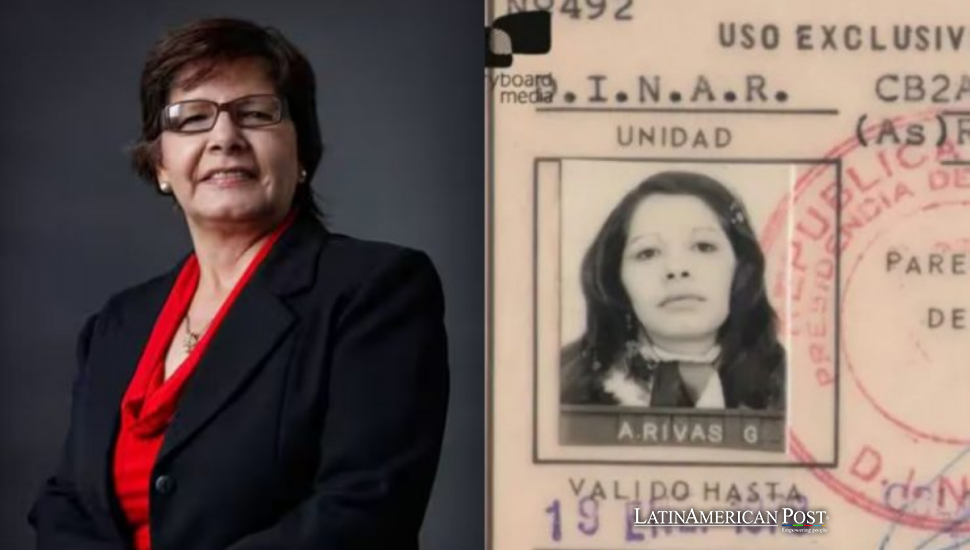
Now that pressure has broken through again. Adriana Rivas, a seventy-two-year-old Chilean woman accused of having taken part in the kidnapping and torture of dissidents during the rule of Gen Augusto Pinochet, has lost a long legal fight against extradition from Australia. Chile has been trying to bring her back for years. This week’s ruling moved that effort closer to its end.
The legal decision matters on its own terms. But in Chile and across Latin America, it means more than procedure. It touches a deeper question, one that still unsettles the region: what happens when the people tied to dictatorship violence manage to grow old in relative peace while the families of the disappeared age with uncertainty, grief, and unfinished truth?
Chile requested Rivas’s extradition twelve years ago. Prosecutors accuse her of participating in the forced disappearance of seven Communist Party members in nineteen seventy-six, including Víctor Díaz, the party’s secretary-general, and Reinalda del Carmen Pereira Plaza, who was twenty-nine and pregnant. All seven are assumed to have been killed in detention. According to the documents Chile supplied for extradition, Rivas participated in the victims’ detention while serving as a guard and in other operational roles. She denies wrongdoing.
That denial has been part of the public story for years. So has another statement that landed with a chill much harder to forget. In a 2013 interview with SBS, Rivas called her time in the secret police “the best of my life.” Asked about torture, she said people “had to break the people,” and argued that such brutality had happened all over the world, not only in Chile. Those words matter because they strip away the comfortable fiction that terror always hides behind silence. Sometimes it survives in justification. Sometimes it lingers in the calm language of someone who never truly accepted that the machinery was criminal.
That is why this case resonates beyond one woman, one courtroom, or one extradition file. It is not just about whether a suspect returns to stand trial. It is about whether a democratic society can still name what was done in its darkest rooms.
The Dictatorship Never Ended for the Families
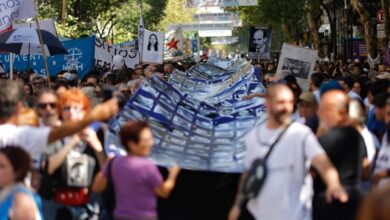
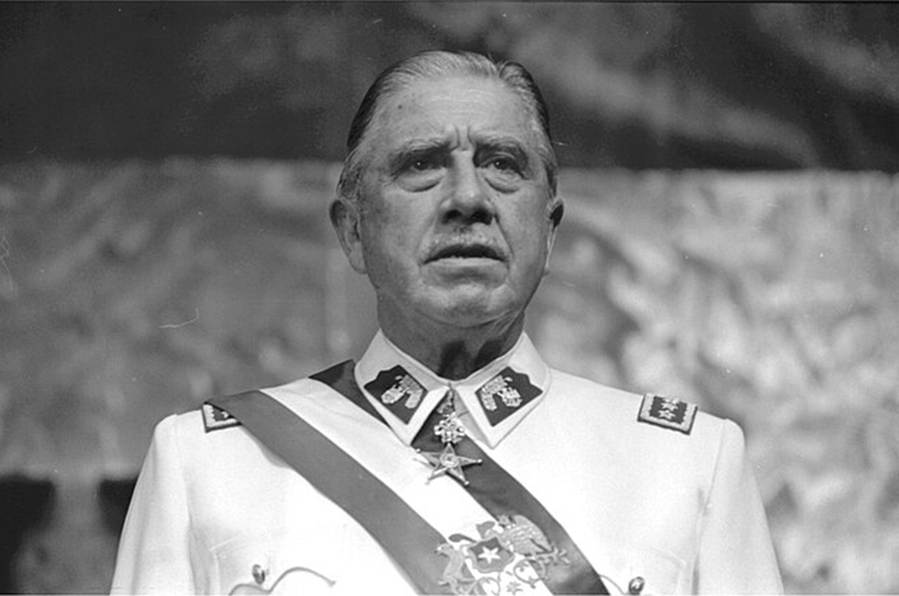
Pinochet’s rule lasted from nineteen seventy-three to nineteen ninety. More than forty thousand people were politically persecuted, and around three thousand were killed. Those numbers are part of Chile’s public record, but numbers alone never carry the full weight. Each disappearance also produced a domestic ruin: a chair that stayed empty, a mother who waited, a child who grew up around whispers, a pregnancy erased alongside a person.
That is why extradition cases linked to dictatorship crimes always feel larger than themselves in Latin America. They are legal events, yes, but they are also moral confrontations with a regional history in which states kidnapped their own citizens, tortured them in secret, and then spent years teaching society to doubt its own memory.
Rivas was not accused of operating on the margins of that system. She was the personal secretary to Manuel Contreras, the infamous chief of DINA, from nineteen seventy-three to nineteen seventy-six. Pinochet founded DINA after the coup in September nineteen seventy-three to hunt political opponents. It abducted, tortured, killed, and forcibly disappeared thousands of people before being replaced by the equally brutal CNI. Rights activists have long alleged that Rivas became an active agent inside that repressive structure. Witnesses interviewed by documentary filmmaker Lissette Orozco described her as one of Dina’s most brutal torturers. They tied her to the Lautaro Brigade, the elite unit tasked with killing the leadership of Chile’s underground Communist Party. Rivas denies taking part in torture sessions.
Latin America knows this pattern well. Dictatorships did not survive only through uniforms, decrees, and commanders. They also depended on clerks, drivers, guards, assistants, intermediaries, and loyal hands willing to keep the system moving. That is part of what makes these cases so uncomfortable. They force societies to confront the banality inside horror. State terror was not always carried out by monsters who looked extraordinary. Often, it was sustained by people who could later blend into civilian life and insist that the past had been exaggerated, misunderstood, or already settled.
Rivas moved to Australia in nineteen seventy-eight. She was arrested in Chile during a visit in two thousand six, but returned to Australia while on bail. Chile formally sought her extradition in 2014. On Monday, an Australian federal judge rejected her lawyers’ argument that the request was legally flawed. She may still try to appeal, according to Australian media reports, though it is unclear whether there are grounds for appeal. If there is no successful appeal, she will return to Chile to face trial for aggravated kidnapping.
For the relatives of Pinochet’s victims, the ruling was not abstract. A lawyer representing them said the families were “truly, truly delighted.” That reaction says something important. In cases like this, joy does not mean closure. It means movement. It means that after years of delay, the world has at least acknowledged that their dead and disappeared still belong inside the law.

What Chile Tells Latin America About Justice
The case also speaks to a wider Latin American reality. Across the region, memory has never been a settled archive. It is contested ground. There are always pressures to move on, to blur responsibility, to treat old crimes as unfortunate weather rather than deliberate policy. But dictatorship violence does not fade just because time passes. It remains active in institutions, in family histories, in public language, and in the unequal burden carried by those still searching for accountability.
What Chile shows here is that justice in Latin America is often slow, incomplete, and frustratingly fragile, but still capable of reaching across oceans. That matters in a region where exile once functioned as both escape and wound. Many fled terror. Some, allegedly, fled responsibility. An extradition ruling like this redraws that map. It says democratic states can still cooperate not only in trade or migration, but in the long work of answering for political violence.
There is another layer, too, and it sits inside the family story around this case. Orozco, Rivas’s niece, spent five years making a documentary about her aunt, which was screened at the Berlin Film Festival in 2017. That detail gives the story a distinctly Latin American intimacy. Dictatorship is never only national history. It enters households. It rearranges kinship. It leaves some relatives searching for the truth while others defend, deny, or compartmentalize. The political becomes painfully domestic.
In that sense, this is not only a Chilean story, though Chile remains its center. It is also a Latin American one. It is about how the continent continues to live with the afterlives of secret police, disappeared militants, pregnant prisoners, and survivors forced to keep memory alive. At the same time, legal systems move at a punishing pace. It is about whether democracies can bear the weight of confronting what earlier regimes did in their name.
Australia’s court did not resolve the whole case. It did something narrower. It removed another barrier between the accusation and the trial. But for a region that has too often watched accountability slip away into distance, technicalities, and time, even that narrower act carries force. It says the long shadow still has edges. It says Chile’s past can still cross a border. And it says that for the disappeared, history is not over just because the perpetrators got older.
Also Read: Chile Turns Easter Egg Hunt into Animal Theater with a Serious Lesson