Cuba Blackouts Expose Latin America’s Emerging Era of Pressure
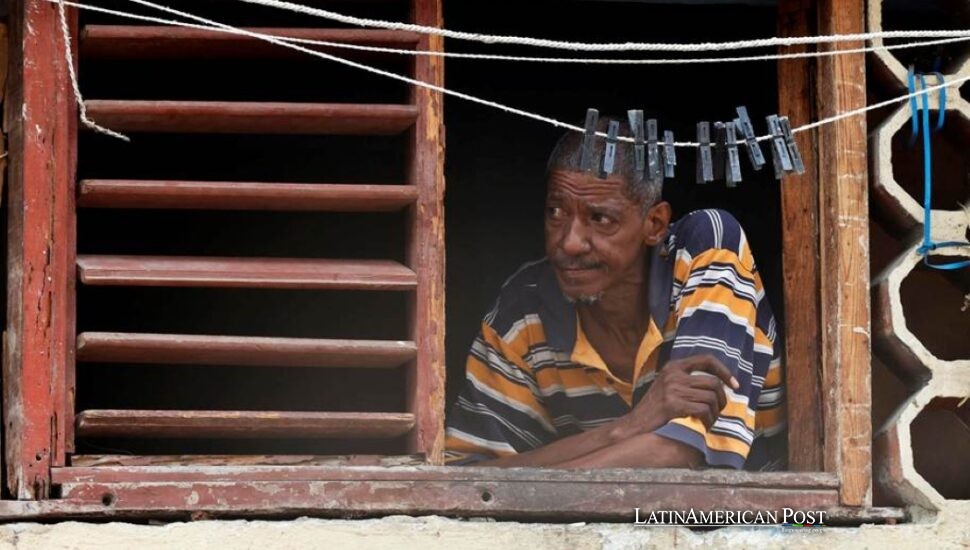
Cuba’s escalating energy crisis extends beyond an island emergency. It now serves as a test of Latin America’s ability to navigate U.S. coercion, regime fatigue, economic anxiety, and the longstanding regional dilemma of pursuing change without relinquishing sovereignty.
A Siege Without Formal Recognition
For over six decades, the Cuban Communist Party has withstood crises that might have toppled many governments. Neither the trade embargo nor the starvation and devastation of the special period following the Soviet Union’s collapse succeeded in displacing the leadership. U.S. hostility, economic errors, and recurring scarcity have all afflicted the island, yet none have removed the ruling authority.
This context distinguishes the current situation. The notes describe an almost declared naval siege by the Trump administration, lacking formal blockade terminology but producing similar practical effects. Oil, food, and other goods supplies have collapsed. In March, Windward’s analysis of shipping data indicated that no foreign-origin tankers arrived in Cuba. Port calls, which averaged approximately 50 per month in 2025, declined to 11, all originating from domestic ports. Only three container ships from China, India, and the Netherlands listed Cuba as their destination. Relief efforts, according to the notes, appear uncertain and fragile.
This form of geopolitical pressure is well understood in Latin America. A country need not be invaded to be constrained; it can be rendered unlivable through fuel shortages, logistical uncertainty, financial intimidation, and the implicit warning that assistance may incur punishment. Trump’s rhetoric has made this pressure explicit. He stated he believed he would have “the honor of taking Cuba” soon, previously suggested a “friendly takeover,” and later informed conservative Latin American allies that he would “take care” of Cuba after the conflict with Iran concludes. These phrases lack clear definitions, and their ambiguity contributes to their effectiveness.
In the region, vague threats from Washington often operate effectively without becoming fully explicit. They induce governments, corporations, and shipping networks to self-regulate. As John Kavulich noted in the comments, “Nobody wants to be on the radar of Trump’s Truth Social account.” This statement encapsulates the dynamic: pressure on Cuba functions not only through formal sanctions but also through anticipatory compliance.
This crisis extends beyond Havana, as Latin America witnesses the reemergence of a familiar hemispheric order. In this order, the United States does not merely dispute with governments it opposes but signals its capacity to exert pressure until even third parties withdraw.
The Regional Cost of Fear
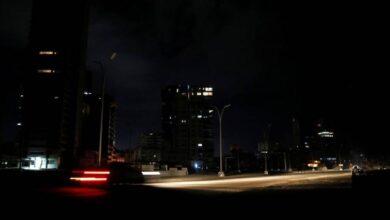
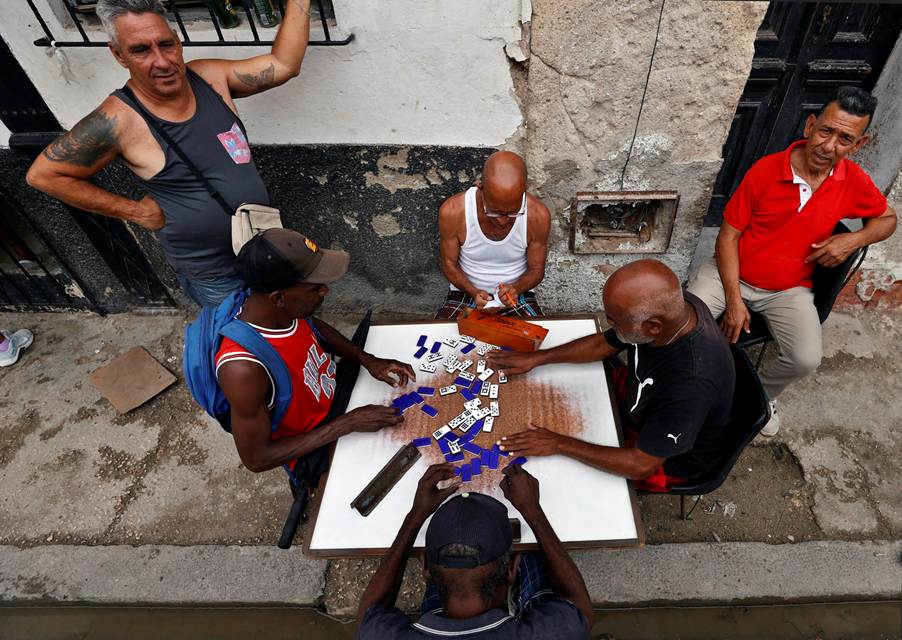
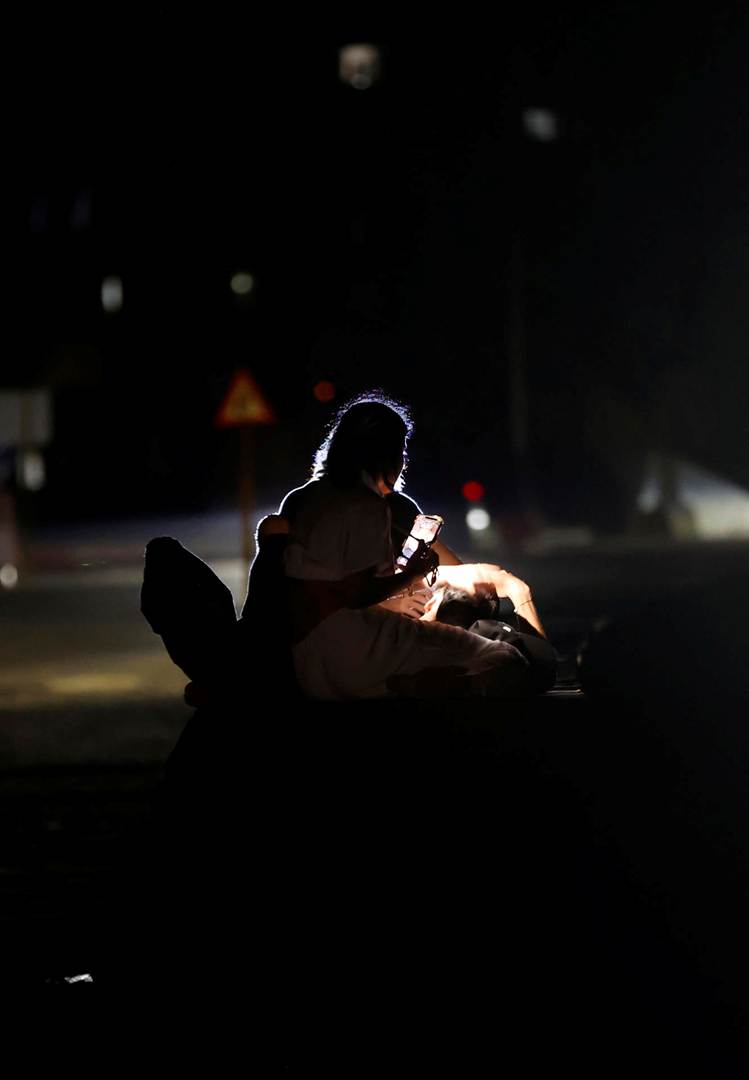
Cuba’s 11 million inhabitants are experiencing immediate consequences. The notes report extensive blackouts, disruptions to medical care, fuel shortages for ambulances and hospital generators, and daily life interruptions due to the island’s heavy reliance on oil for electricity generation. Cuba produces only about 40% of the oil it requires. Residents struggle to prevent food spoilage. The darkness is literal, persistent, and systemic.
The broader regional significance lies in the outward diffusion of this pressure. Trump’s executive order threatening tariffs on any country supplying oil to Cuba targeted not only Havana but also alarmed Mexican officials, who had made Pemex a critical lifeline amid declining Venezuelan oil exports. This development demonstrates that the crisis extends beyond U.S.-Cuba relations and concerns the disciplining of Latin America’s strategic autonomy.
Mexico has historically opposed U.S. policy toward Cuba. However, when assisting Cuba entails the risk of retaliation from Washington, Latin American solidarity incurs greater costs. Governments that may privately oppose the pressure must now assess whether principles justify potential trade losses, financial risks, or diplomatic conflicts. Consequently, Cuba serves as a test case for the entire region, raising the question: how much sovereignty does Latin America truly possess when the United States opts to escalate?
This question intensifies as the Trump administration’s campaign follows the successful removal of Nicolás Maduro, Cuba’s longstanding ally. The notes indicate that the administration has gained confidence from that operation and is leveraging it to escalate rhetoric and demands toward Havana. Negotiations with Cuba are ongoing, with the United States seeking Miguel Díaz-Canel’s departure as part of a potential agreement to prevent U.S. military intervention.
This represents a significant stance that Latin America will clearly perceive. Washington is no longer solely pressuring Cuba to implement reforms; it signals that leadership change is an intended objective. For the region, this revives a persistent anxiety: that domestic political trajectories in Latin America remain subject to U.S. influence, restriction, or acceleration.
Simultaneously, the pressure campaign embodies a contradiction. Ian Ralby, cited in the notes, contends that U.S. aggressiveness will not garner support for Trump among Cubans who desire change. This assessment appears accurate. While Cubans may seek transformation, they do not necessarily endorse one imposed through deprivation and strategic humiliation. John Felder’s observation further captures the emotional reality: Cubans desire change but reject U.S. control.
This statement reflects a broader Latin American dilemma. It articulates the region’s longstanding challenge plainly: populations may reject stagnation, repression, or one-party rule, yet they resist liberation that resembles submission.
A Region Caught Between Collapse and Control
The Trump administration has attempted to mitigate some political repercussions. According to the notes, the State Department dispatched food kits, water purification tablets, and other humanitarian aid in January. Subsequently, the White House announced it would permit U.S. companies to supply fuel, including Venezuelan oil, to private Cuban businesses. Marco Rubio stated that the objective was to promote the growth of the small private sector.
However, the notes indicate that this strategy appears fragile. It remains unclear whether any companies have initiated fuel shipments. Critics contend the policy is unrealistic, given that most Cuban companies lack capital and the government controls gasoline distribution. Essentially, the administration attempts to bifurcate the Cuban economy into a legitimate private sector and an illegitimate state sector, despite the monopolization of the country’s fundamental fuel system. While this approach may seem coherent in Washington, it risks appearing abstract on the island.
For Latin America, this exemplifies the politics of selective relief. A superpower can provide limited assistance while exerting substantial pressure and still maintain a humane image. Consequently, the crisis—characterized by starvation, blackouts, and transportation failures—can be attributed solely to the Cuban system, while the external pressures exacerbating these issues are rhetorically minimized.
Cuba’s current crisis is significant for the region because it exposes a new phase of hemispheric politics in which formal war is unnecessary, formal blockades are unacknowledged, yet the practical effects resemble a siege. It also demonstrates the isolation Latin American governments face amid U.S. escalation. Few openly defend Cuba’s system, and even fewer support Washington’s approach. Most remain in an ambiguous position, observing a nation’s decline while attempting to avoid involvement.
The fundamental insight of these notes is that Cuba’s crisis transcends the island’s resilience or a single administration’s aggression. It concerns the entire region confronting, once again, the persistent reality that in Latin America, the pursuit of change and the defense of sovereignty do not always align.
Also Read: Mexico Reveals How Historical Wounds Continue to Influence Contemporary Atlantic Diplomacy