Guatemala Prisons Rule Streets While Cells Command Violence Economy
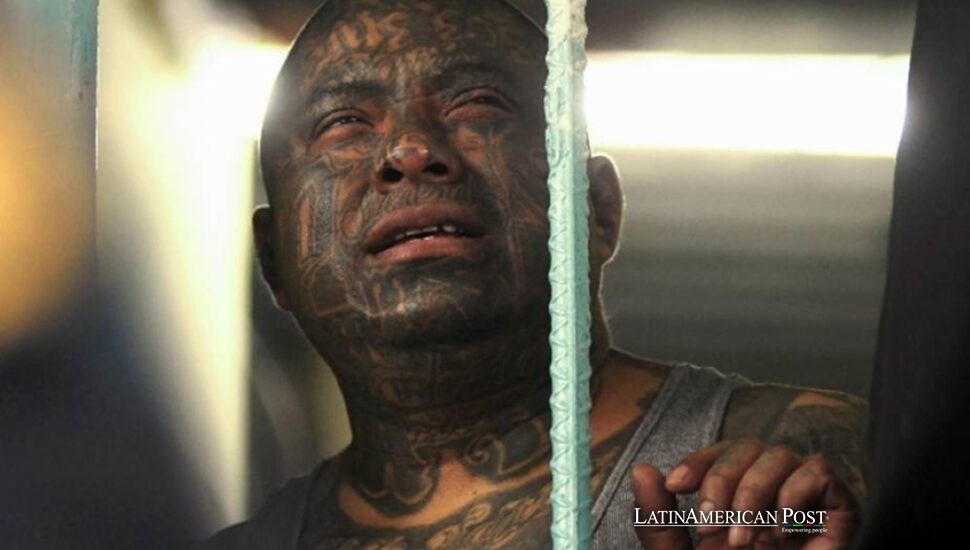
From behind bars, gangs in Guatemala run extortion rackets like call centers, directing threats, payments, and killings while enjoying privileges unseen by most citizens. Recent prison crackdowns exposed a system where incarceration fuels crime instead of stopping it.
Cells That Became Control Rooms
For decades, Guatemala’s prisons have quietly mutated into something far more dangerous than overcrowded detention centers. They have become operational headquarters for the country’s most violent gangs, places where sentences do not interrupt criminal careers but formalize them. From inside their cells, incarcerated leaders organize extortion schemes that drain millions of quetzales from shopkeepers, transport workers, and small businesses. At the same time, violence on the streets follows their instructions with chilling precision.
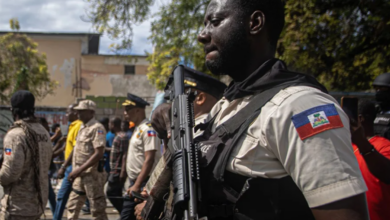
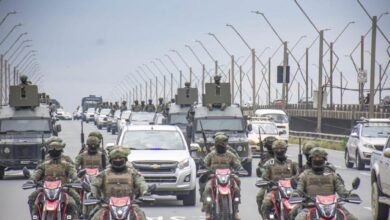
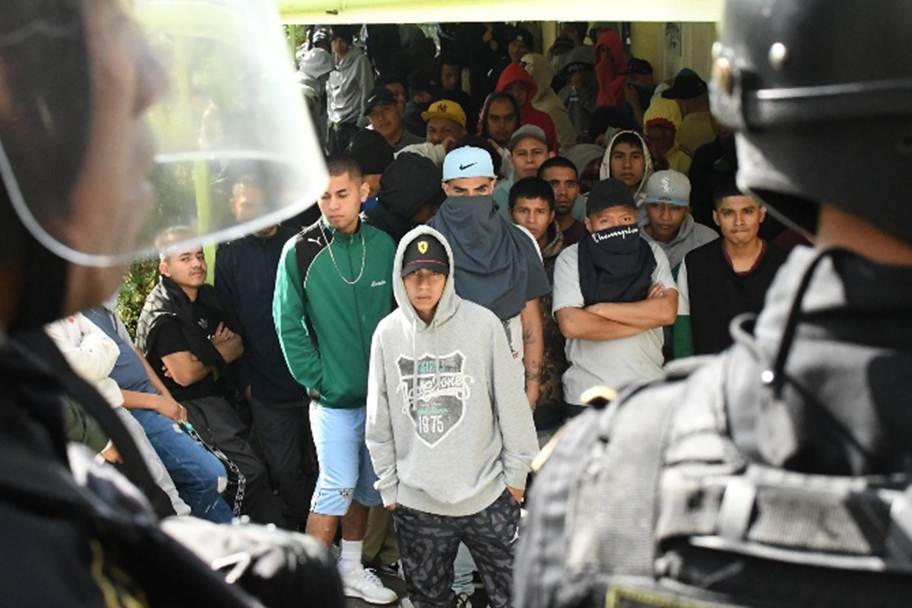
This reality erupted into public view again after a bloody weekend in July 2025, when ten police officers were killed shortly after authorities moved to retake control of three prisons seized by inmates. The riots, hostage-taking of penitentiary workers, and coordinated reprisals outside prison walls laid bare what many Guatemalans already suspected: the state had lost command long ago.
According to Manfredo Marroquín, executive director of Acción Ciudadana, the Guatemalan chapter of Transparency International, the roots of the problem run deep. “El sistema penitenciario padece una penetración histórica de la corrupción que permite a las estructuras criminales operar con total impunidad,” he said, describing a structure where prisons no longer rehabilitate but govern crime.
Marroquín’s assessment highlights the crucial role of political will in addressing a national contradiction. Recognizing that prisons are meant to isolate dangerous actors, it is vital for leaders to act decisively to dismantle these control centers, inspiring confidence in reform efforts.
Extortion as a Parallel Economy
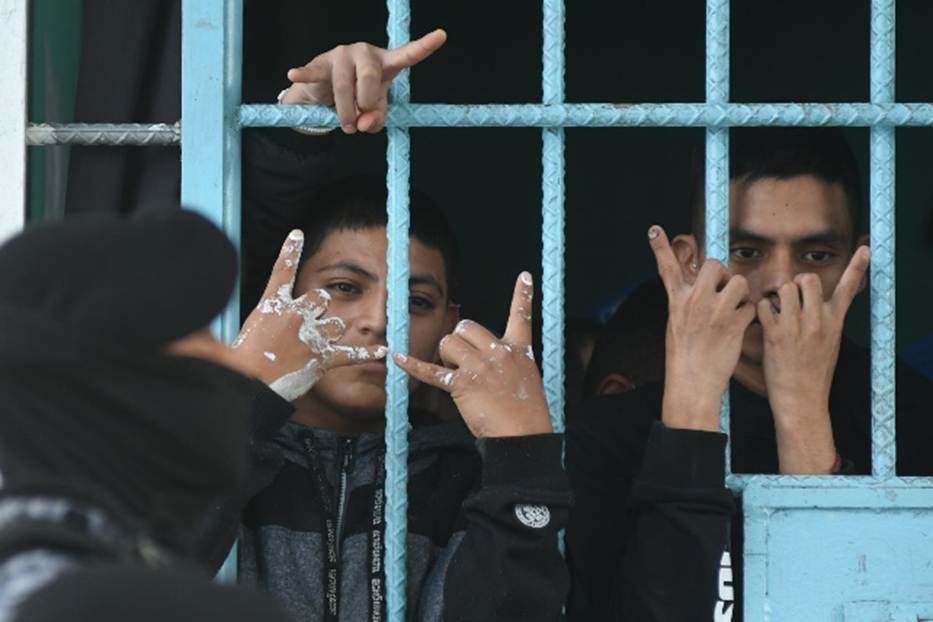
The business model sustaining this system is extortion, a crime so normalized that it has become a parallel economy. Official data and independent monitoring show that thousands of complaints filed each year share the exact origin: phone calls and payment orders traced back to prison facilities.
The scale is stark. A January 2026 report by the Centro de Estudios Económicos Nacionales (CIEN) documented 25,961 extortion complaints in 2025, up from 24,978 in 2024. The increase of 983 cases represents a 3.9 percent rise, consolidating the national rate at 142.7 extortion reports per 100,000 inhabitants. These figures capture only those who dared to report; many more pay silently to survive.
CIEN researcher David Casasola has emphasized that the department of Guatemala concentrates nearly half of all extortion and homicide cases nationwide. The geography matters. It reflects how gangs maintain intact communication structures despite incarceration, relying on cellular phones, intermediaries, and bribed guards to coordinate threats in real time.
For families and merchants, the impact is intimate and relentless. A bus driver receives a call demanding weekly payments. A corner shop closes early, then permanently. Each transaction funds the same system that terrorizes neighborhoods and reinforces prison-based command chains. Violence, in this sense, is not chaotic; it is administered.
Guatemala holds one of the highest incarceration overcrowding rates in Latin America, with occupancy exceeding 300 percent, directly enabling organized crime to thrive within and beyond prison walls.
Overcrowding creates markets where control shifts from the state to those who can pay or intimidate, making the threat of extortion and violence ongoing and urgent. This reality should alarm citizens and policymakers alike, emphasizing the need for immediate action.
Power, Privilege, and the Limits of Reform
The current crisis intensified after President Bernardo Arévalo de León’s administration attempted to reverse decades of neglect. Beginning in July 2025, the government moved to strip inmates of long-standing privileges and transfer high-profile gang leaders to Renovación I, a refurbished maximum-security prison in Escuintla, about fifty kilometers south of Guatemala City.
The backlash was immediate and violent. Riots inside prisons coincided with attacks outside them, reinforcing the central lesson of Guatemala’s penitentiary dilemma: when leaders are removed from comfort, their organizations retaliate to prove they still hold power.
Despite repeated searches and seizures, the flow of contraband continues. Each new raid recovers more phones, chargers, and communication devices, underscoring how deeply corruption has penetrated daily operations. CIEN has warned that without professionalizing the penitentiary career and completing a comprehensive inmate census, reforms will remain symbolic rather than structural.
Individual cases best illustrate the persistence of privilege. Aldo Dupie Ochoa Mejía, known as “Lobo,” a leader of the Barrio 18 gang, reportedly demanded transfer to another facility along with comforts such as air conditioning, restaurant food deliveries, and even a king-size bed in his cell. These requests were not delusions; they reflected expectations shaped by years of accommodation.
Such demands resonate far beyond one inmate. They speak to a system where incarceration has been negotiated into a lifestyle, and where the boundary between punishment and power has blurred beyond recognition.
Guatemala now faces a pivotal moment. Reclaiming prisons requires collective effort and political resolve. Recognizing that dismantling extortion and corruption is essential can empower citizens and leaders to work together for meaningful change.
For ordinary Guatemalans, the stakes are immediate. As long as prisons remain command centers, violence will continue to be planned from within institutions meant to stop it. The challenge is no longer whether the state knows what is happening inside its cells. It is whether it can finally afford to confront the power that has grown there, one extortion call at a time.
The information and quotations in this story were first reported by EFE.
Also Read: Peru Bans Two-Up Motorbikes as Hitmen Turn Speed Into Terror