Trump’s War Talk Pulls Mexico and Colombia into Crosshairs Again

As Donald Trump weighs extending U.S. military power over Mexico and Colombia, Latin America confronts an old fear in new form: foreign intervention cloaked as a drug war, with coastal communities, migrants and fragile democracies bearing the quiet cost again.
Old Drug Wars, New Military Crosshairs
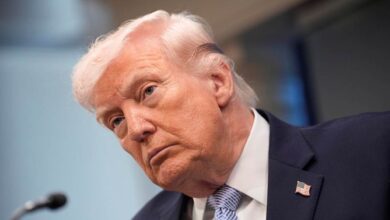
Asked whether he would use force beyond Venezuela, Donald Trump did not flinch. “Sure, I would,” he replied, in remarks reported by The Daily Mail from an interview with Politico that named Mexico and Colombia—formal allies—as potential targets, reviving memories of past U.S. interventions.
Trump cited Mexico’s and Colombia’s drug trades as justification. Mexico is the primary route for heroin, fentanyl and cocaine entering the United States, while Colombia is the largest producer of cocaine. For many in the region, those labels mean more soldiers, more checkpoints and few alternatives to the illicit economy.
Since early September, his administration has launched 22 strikes on alleged drug‑smuggling vessels in the Caribbean Sea and Eastern Pacific Ocean, leaving at least 87 people dead. Officials call the campaign a counterdrug operation, but scholarship in the Journal of Latin American Studies links such militarization to long cycles of violence with little impact on the deeper financial structures of trafficking.
Pardons, Power Brokers and A Different Kind of Impunity
Against this backdrop, Trump’s pardon of former Honduran president Juan Orlando Hernández is jarring. Convicted in the United States on multiple drug‑trafficking counts and serving a decades‑long sentence, Hernández walked free after Trump intervened earlier this month, saying, according to The Daily Mail, that “very good people” told him the ex‑leader was unfairly targeted.
The key bridge between Hernández and Trump is Roger Stone, the veteran Republican operative whose ties to the president date back to their New York City years. As The Daily Mail recounts, Stone cast Hernández as a victim of left‑wing and Biden‑era persecution, a narrative that plays very differently in Central America, where ordinary defendants seldom see such advocacy.
Studies in Latin American Research Review describe a pattern of “selective impunity”: harsh punishment for street‑level actors, flexibility and deals for elites. In that light, freeing a former head of state convicted on drug charges while threatening force against Mexico and Colombia weakens Washington’s claim to a consistent anti‑narcotics agenda.
Sea Strikes, Human Lives And Latin America’s Uneasy Future
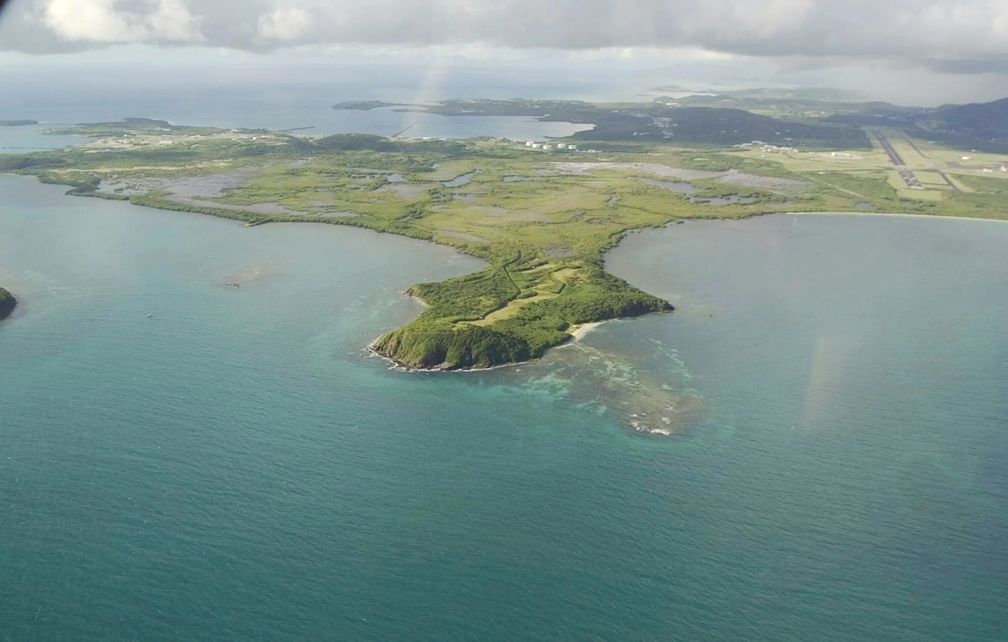
Meanwhile, the USS Gerald R Ford, other naval warships and special ground forces have moved into the Caribbean, coinciding with new strikes on suspected drug boats. Officially, this is a counterdrug mission; unofficially, many Venezuelans and opposition figures read it, The Daily Mail notes, as rising pressure on Nicolás Maduro’s government.
Critics say the targeted killings are extrajudicial. The Pentagon has offered no public proof that the vessels carried narcotics or posed an imminent threat to the United States, while Congress now threatens to withhold funds until it receives unedited strike footage. Secretary of War Pete Hegseth faces particular scrutiny over a September 2 attack in the Caribbean Sea.
In that incident, a first missile disabled a speedboat allegedly carrying cocaine and killed most aboard. Surveillance then showed two survivors clinging to wreckage and apparently trying to radio for help. A second strike killed them; Pentagon officials, cited by The Daily Mail, insist the move answered a continuing threat.
For families along the Caribbean coast, the legal language matters less than the absence of names and bodies. In fishing towns and informal ports, rumors of the dead move faster than official explanations, feeding a long‑standing sense that Latin American lives are expendable collateral in someone else’s war.
For Mexico and Colombia, Trump’s words turn those images into a warning. Research in the Journal of Illicit Economies and Development finds militarized drug control rarely shrinks supply; routes shift, markets adapt and communities absorb the casualties. The prospect of U.S. strikes on “targets” inside allied territory deepens fears that the cycle will simply widen.
So when Trump says he will not “rule in or out” using troops in Venezuela, Mexico or Colombia, it resonates in a region that remembers 1965 in Santo Domingo, 1989 in Panama and the long shadow of Plan Colombia. The script feels familiar: decisions taken in Washington, risk borne first by those living closest to the plantations, ports and coastal waters that the drug war claims to defend.
Also Read: Brazilian Modernist Portinari and Matisse Heist Shocks São Paulo Library