Venezuela Blockade Blues Turn Tankers, Trade, and Power into Theater
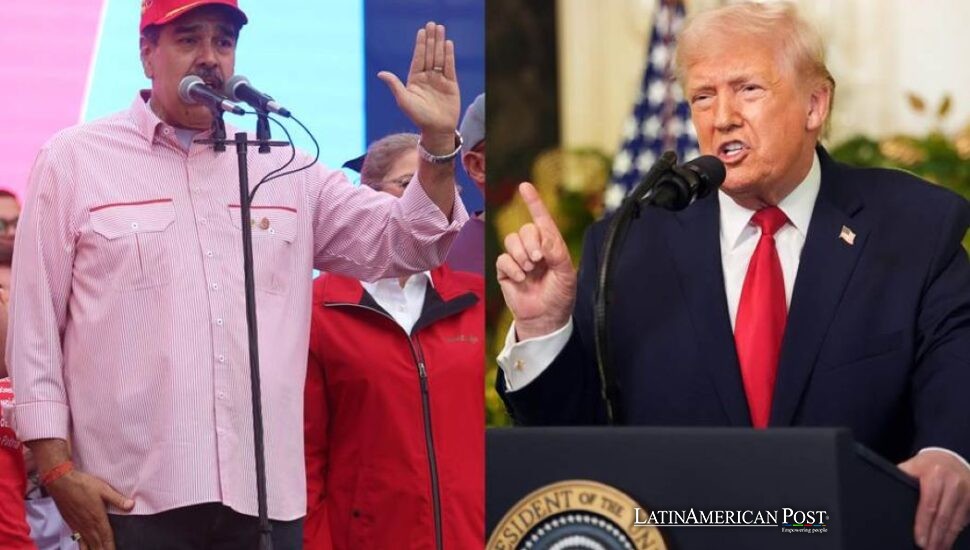
As the U.S. tightens a Venezuela oil blockade, tankers idle offshore and diplomacy hardens. Donald Trump urges Nicolás Maduro to quit, while China and Russia call seizures illegal. In the Caribbean, sanctions reshape ports, prices, and peril for ordinary families.
Ports Slow, Pressure Rises
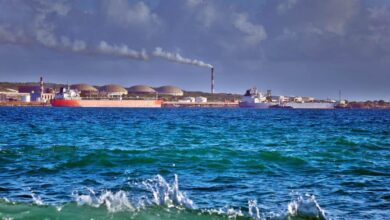
A blockade is supposed to look decisive. In Venezuela, it looks like waiting. After President Donald Trump announced last week a “blockade” of sanctioned oil tankers entering or leaving Venezuela, loading slowed at the country’s ports, The Guardian reported. More vessels are shifting cargo only between domestic terminals, and millions of barrels remain stuck on tankers as customers demand deeper discounts and contract changes to risk voyages beyond Venezuelan waters.
The Guardian reported that Trump again urged Nicolás Maduro to leave power. Asked if forcing him out was the goal, he said, “I think it’d be smart for him to do that,” then warned, “if he wants to do something, if he plays tough, it’ll be the last time he’s ever able to play tough.” He also reiterated the United States would keep or sell oil it has seized off Venezuela’s coast in recent weeks, turning confiscated cargo into both a commodity and a message.
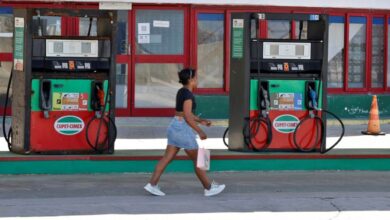
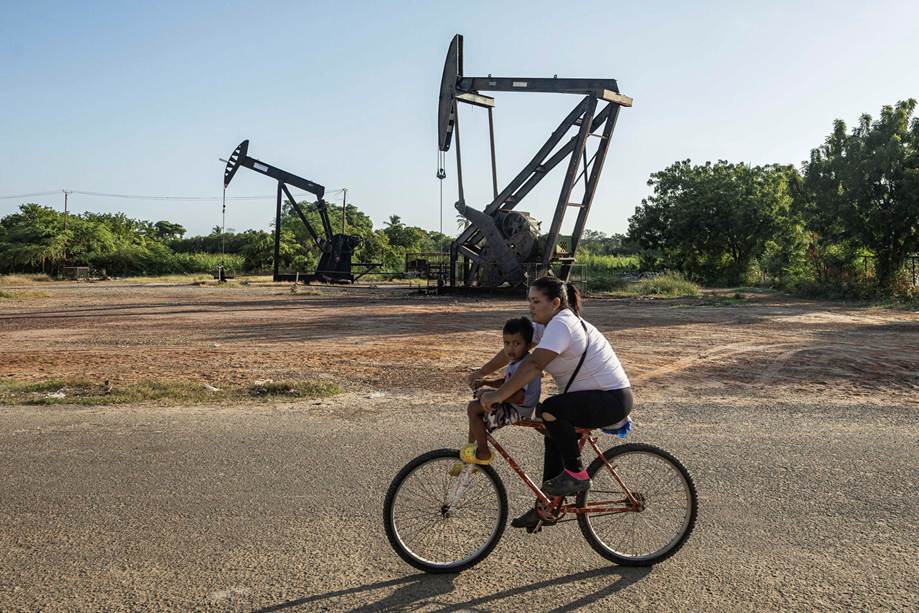
For Venezuelans who never see a tanker, the stress still arrives in ordinary places: the market, the pharmacy, the bus fare. Oil exports bankroll the state; when export routes tighten, so do public accounts. Research in the Journal of Latin American Studies has described how petro-dependence turns disruptions in trade into disruptions in social stability.
Shadow Fleets, Flags, and Law
On Saturday, the U.S. intercepted a China-bound tanker off the Venezuelan coast. China’s foreign ministry, quoted by The Guardian, called the seizure of another country’s ships a serious violation of international law. The White House said the tanker was part of Venezuela’s “shadow fleet” and was carrying sanctioned oil, even though the vessel itself was not currently sanctioned by the U.S..
That vessel, the supertanker Centuries, also pulled Panama into the dispute. Panama’s foreign minister said the ship—flying Panama’s flag when intercepted—did not respect maritime rules, altered its name, and disconnected its transponder while carrying oil out of Venezuela. Scholars in Marine Policy have noted how sanctions pressure can incentivize these gray practices—reflagging, renaming, and going “dark”—that raise legal risk and erode trust at sea.
On Monday, Lin Jian, a Chinese foreign ministry spokesperson, said Venezuela has the right to develop relations with other countries and that China opposes “unilateral and illegal” sanctions, according to The Guardian. China is the biggest buyer of Venezuelan crude, even if it represents roughly 4% of its oil imports—a small slice for Beijing, a lifeline for Caracas.
Caribbean Waters, Human Costs
Later on Monday, Russia’s foreign ministry said Yván Gil and Sergei Lavrov expressed “deep concern” about escalating Washington actions in the Caribbean Sea, warning of serious consequences for the region and threats to international shipping, and reaffirming “full support” for the Venezuelan leadership and people, The Guardian reported.
The pressure campaign also kept widening. On Sunday, the U.S. Coast Guard tried to intercept the empty supertanker Bella 1 as it approached Venezuela. By Monday, it was drifting north-east of Bermuda, according to a satellite image obtained by TankerTrackers.com, and a U.S. official told Reuters it had not been boarded, as cited by The Guardian. Even without a boarding, the message reaches every captain and insurer: the rules can change mid-voyage.
The most intimate costs, however, are measured in bodies, not barrels. Trump claims Maduro uses oil money to finance “drug terrorism, human trafficking, murder and kidnapping.” Since September, U.S. forces have launched strikes on boats that Washington claims—without evidence—trafficked drugs in the Caribbean and the eastern Pacific Ocean. More than 100 people have been killed—some fishermen, their families say—leaving coastal towns to wonder what a safe sea even means anymore, The Guardian reported.
From a Latin American vantage point, the fear is less about one seizure than about a pattern: economic punishment paired with military force, justified as security, absorbed by communities with the least protection. Venezuela is the headline, but the Caribbean is the stage, and ordinary lives are the cost as well.
Also Read: Venezuela Blockade Drama Shows China’s Latin Gamble Meets Trump’s Navy