Venezuela Skies, JetBlue Jitters, and the Tanker Nobody Wanted There
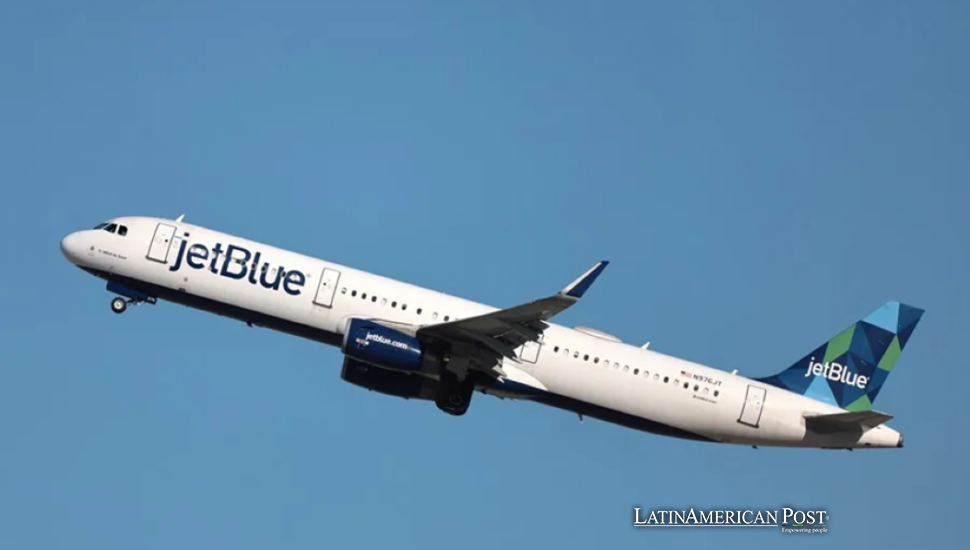
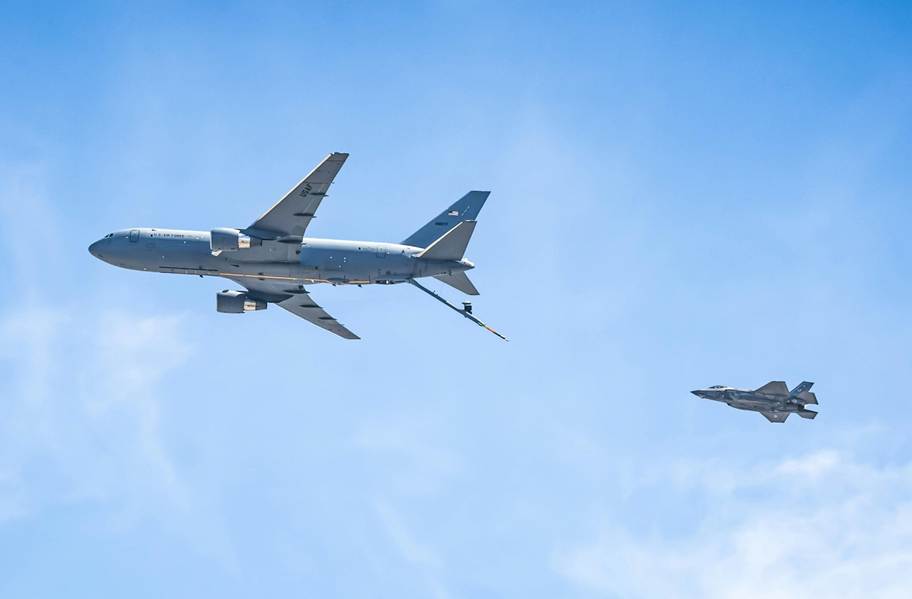
Air traffic radio recordings capture JetBlue Flight 1112 ascending from Curaçao, an island near Venezuela, to New York when a U.S. Air Force tanker unexpectedly crossed Caribbean airspace close to Venezuela. The tanker apparently did not have its transponder, which signals location and identity, turned on. This forced JetBlue’s pilots to act swiftly and highlighted both regional tensions and air safety concerns.
A Climb Cut Short Near Venezuela
On Friday, a crowded Airbus A320 operated by JetBlue Airways lifted off from Curaçao, roughly 40 miles north of Venezuela’s coast, heading for New York. The region relies on these flights: quick and routine, they create a bustling pathway through the sky.
From Curaçao, the sky is a crossroads. The island sits at the edge of South America’s northern arc, close enough that Venezuela feels less like a distant headline and more like weather, always present, sometimes violent. Under Dutch governance, it has also become a practical hub where civilian departures and expanding U.S. security activity share the same runway culture.
About 20 minutes later, routine became report. In audio later published by LiveATC.net, the JetBlue pilot told Curaçao controllers that an aircraft crossed directly ahead. The crew “had to stop our climb.” He identified a United States Air Force refuelling tanker. He complained it appeared to be flying without an active transponder: “They don’t have a transponder turned on. It’s outrageous.”
His concern was practical, not dramatic. The A320, a commercial jet, was climbing through about 33,400 feet toward its cruising altitude of 35,000 feet when the U.S. Air Force tanker, used to refuel other planes in flight, passed overhead at around 34,000 feet. This left an estimated vertical gap of only 600 feet. The pilot described the planes crossing within five miles, and possibly as close as two or three miles horizontally,a very brief distance at high speeds. Standard safety rules call for much greater separation between planes at those altitudes.
When The Transponder Goes Silent
A transponder is aviation’s way of saying, “Here I am,” broadcasting identity and altitude to controllers and nearby aircraft. That signal feeds systems like the Traffic Alert and Collision Avoidance System, which can issue warnings before anyone sees a speck in the haze. Civil jets are expected to keep transponders on; military crews may switch them off during sensitive missions, a choice that raises risk in shared airspace.
Aviation safety research has long tracked that risk. Studies in the Journal of Air Transport Management and Safety Science report that mixed civil-military airspace increases workload and shrinks reaction time. As a result, small lapses in visibility can become potential catastrophes.
None of this requires conspiracy to be dangerous. In a tight corridor, one aircraft flying “dark” can force a stop in climb, prompt a sudden vector, or cause a spike in workload. The margin can thin to seconds overnight.
Operation Southern Spear Squeezes A Crowded Corridor
The U.S. Southern Command said it was reviewing the matter. The timing is combustible. The same Friday, U.S. Navy aircraft patrolled near Aruba, Bonaire, and Curaçao under an expanded mission called Operation Southern Spear. Air-tracking data showed multiple U.S. platforms working in international airspace close to Venezuela’s maritime boundary. These included at least two F/A-18E Super Hornet jets.
The operation aims to disrupt alleged drug-trafficking routes reportedly involving the Venezuelan leadership, a claim denied by Caracas. Such U.S. security efforts often have wide ramifications in Latin America.
Venezuela answered with fury. On state television, at a ceremony marking the 47th anniversary of the Comprehensive Aerospace Defense Command, Defense Minister Vladimir Padrino López accused Washington of intimidation. He said the U.S. is pushing the region toward conflict. “This is an attempt to impose a war on Latin America and the Caribbean,” he said. Surrender, he insisted, is a “historical impossibility.” He warned U.S. actions could send young Americans home “in black body bags and urns.”
The story surfaced publicly on December 15, 2025, at 3:03 P.M., but its age predates any timestamp. For passengers threading these routes, migrants, tourists, and workers, the Caribbean is not empty water between capitals; it is a lived geography. A near miss near Venezuela is a reminder that geopolitics can arrive at 34,000 feet, and that the first duty of power in a crowded corridor is simple: be seen, be predictable, and leave room to land.
Also Read: Chile Elects Kast Again: Crime and Memory Shape A Presidency