Colombian Military Grief Exposes the Cost of Delay and Distance
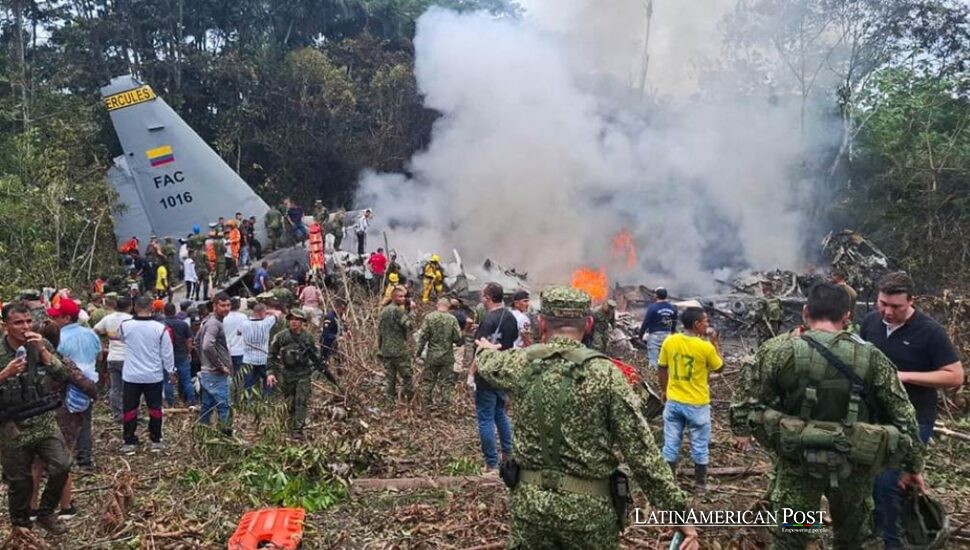
A deadly air force crash in Putumayo is more than just news in Colombia. It brings up tough questions about readiness, bureaucracy, border logistics, and the heavy burden on a military still expected to represent the state in remote areas.
A Crash That Feels Larger Than One Morning
Some military disasters stay confined to accident reports, but this one does not. When a Colombian Air Force plane crashed in the south, killing at least eight and injuring many, it carried a heavier meaning. Not just because of the loss of life, though that alone is tragic. Not just because emergency workers searched the wreckage or local videos showed injured soldiers being rushed to hospitals on small motorbikes. It struck deeper because the images and reactions revealed a deeper national struggle.
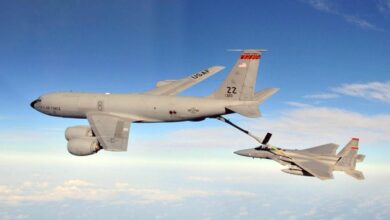
The aircraft, a U.S.-made C-130 Hercules used for transporting troops, came down shortly after takeoff in a rural area near Puerto Leguízamo, in Putumayo province, near the border with Peru. Air Force Commander Carlos Fernando Silva Rueda said 114 army personnel and 11 crew were on board. He said 48 people were pulled from the wreckage with injuries and taken to the hospital. Regional governor John Gabriel Molina later said eight people were confirmed dead and more than 80 were injured.
Those numbers are important, of course. But the political meaning of the crash lies elsewhere—in the gap between what Colombia demands from its military and what it provides in return. Defence Minister Pedro Sánchez called it “a tragic accident while it was taking off from Puerto Leguízamo, transporting troops of our security forces.” He said it was “deeply sad for the country.” President Gustavo Petro went further, saying the “horrendous accident … should not have happened.”
That phrase sticks with you: It should not have happened. In countries like Colombia, those words carry more than personal grief. They come across as accusation, frustration, and admission all at once.
The State Still Travels by Uniform
The crash happened in a place that says a lot about Colombia without needing words: Puerto Leguízamo, Putumayo, near the Peru border. Rural. Remote. Tough. In Latin America, border areas often reveal the real state of the country more clearly than capital cities. They show who gets infrastructure first, who gets protection late, who is left waiting, and which institutions are still expected to carry the load when roads, hospitals, and civilian services are scarce.
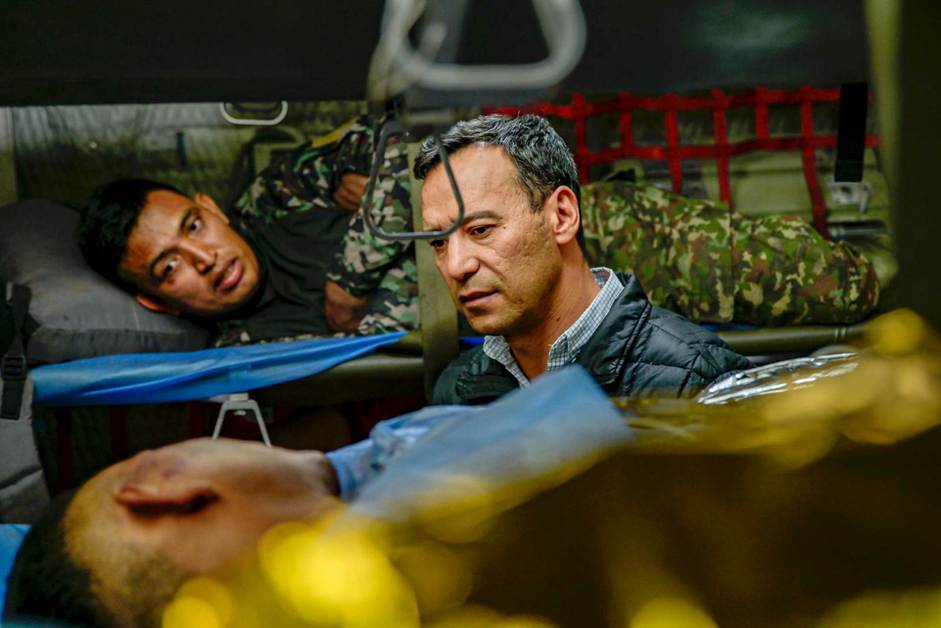
That’s why the image of locals carrying injured soldiers on small motorbikes matters so much. It’s not just dramatic—it’s telling. In one moment, the modern state shows up as a military transport plane. In the next, survival depends on makeshift help from civilians. The contrast is impossible to miss.
Colombia’s armed forces have long served a role beyond a typical military one. They don’t just defend borders or move troops. In many areas, they act as the state’s transport system, emergency responders, visible authority, and symbol of reach. When a plane like this crashes, it hurts more than just an institution. It is one of the ways the country stays connected across tough terrain.
That’s what gives this accident its political weight in difficult times. The military is still asked to carry people, supplies, orders, and presence into parts of the country where distance is more than just geography. Distance becomes policy. Distance becomes delay. Distance becomes the place where a nation sees what it has put off fixing.
President Petro’s response made that tension clear. In a long post, he blamed “bureaucratic problems” for delaying his plans to modernize the armed forces’ equipment and aircraft. He said he would allow no more delays because “the lives of our young people are at stake.” He didn’t explain what caused the accident, which is still under investigation. But politically, the message was clear: the crash is now part of a bigger debate about state capacity.
A Military Asked to Endure Too Much
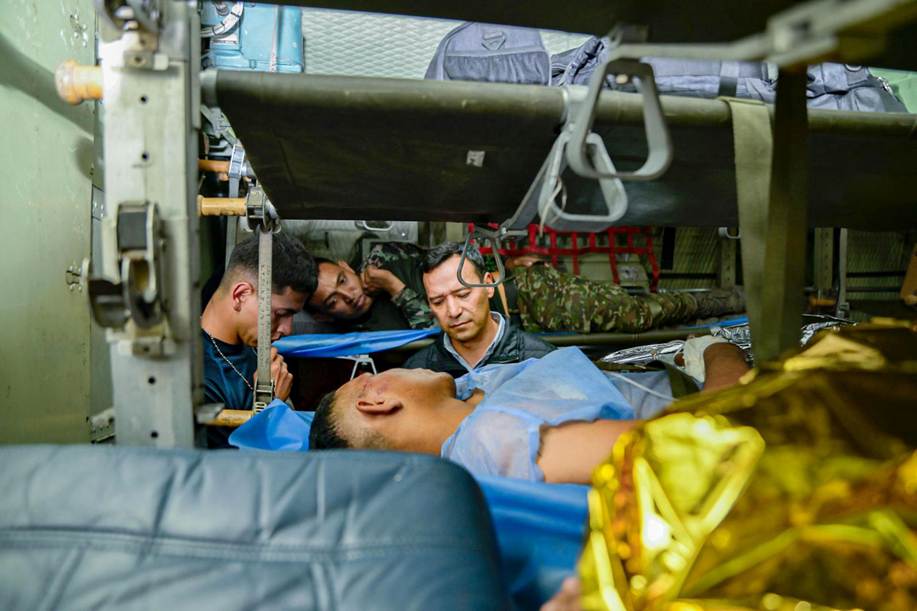
There is a special kind of sorrow in moments like these in Latin America. It’s the sorrow of institutions forced to keep going under pressure. At the same time, modernization gets stuck in paperwork, slow approvals, and hesitation. That sorrow feels even sharper when the dead and injured are, as Petro said, young people. Then the conversation changes. It’s no longer just about equipment. It’s about the human cost of slow, bureaucratic processes.
The military, especially in a country like Colombia, often faces this contradiction. It’s expected to stay ready, disciplined, mobile, and fully national. It must bring order to places where the state still seems unfinished. It has to do this in tough environments, under close watch, and where every failure quickly becomes political. Yet when tragedy strikes, the cause often comes down to clogged systems and delayed decisions.
This doesn’t explain the cause of the crash. It does something else: it shows where political responsibility will be debated. If bureaucracy delayed modernization, then the crash fits a familiar Latin American story in which institutions must operate fully. At the same time, governments struggle to update the systems that underpin them.
Mentioning last month’s Bolivian Air Force C-130 Hercules crash adds to the unease. It doesn’t prove a pattern here, and it shouldn’t be seen that way. But it does cast a regional shadow. When similar military planes are linked to disasters in nearby countries, the public’s concern isn’t just technical. It’s existential. People begin to wonder how much strain these institutions are under, and for how long.
So what does this mean for the Colombian military in tough times? First, grief. Real, immediate grief—the kind that starts with smoke, wreckage, hospitals, and families waiting for names. But it also means exposure. Exposure of how much the armed forces are still relied on to connect the country’s hardest-to-reach places. Exposure of how fragile that mission becomes when modernization is delayed. And exposure of a national habit of realizing the cost of bureaucracy only after lives are lost.
Near Puerto Leguízamo, the wreckage will be examined and the cause investigated. Officials will speak cautiously. Reports will be made. But the emotional truth is clear. A military plane crashed in a remote part of Colombia, and what followed was not just mourning. It was the familiar question of whether the country asks too much of those it sends to the margins and waits too long to give them what they need.
Also Read: Brazilian Ballot Shifts as Lula Confronts a More Challenging Latin America