Latin America Pushes Back As Trump Revives Old Empire Playbook
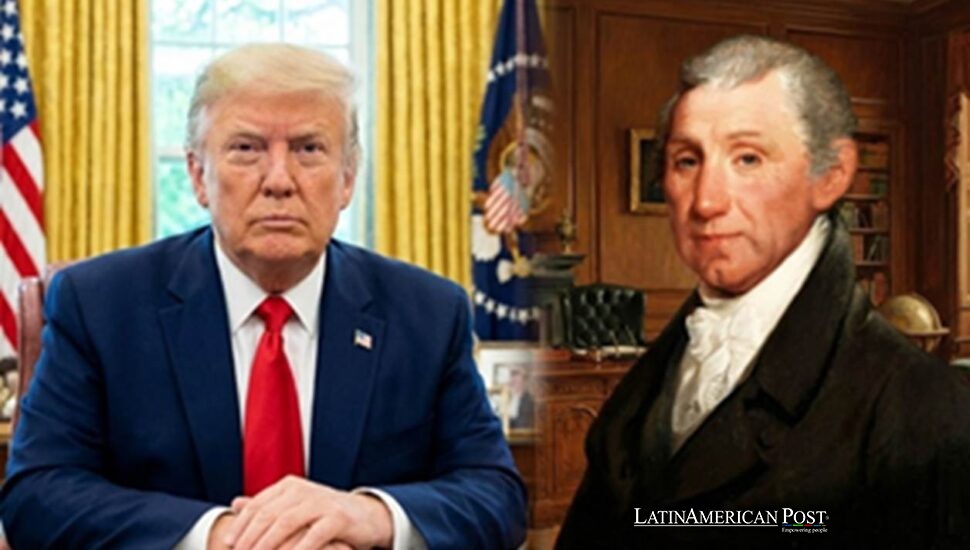
From Latin America's southern cone to the US–Mexico border, DW reports how Donald Trump's revived Monroe Doctrine reshapes migration, trade, and security, forcing governments, migrants, and voters to navigate an imperial script dressed up in 2025 language and legal designations.
A Trump Corollary For A Two-Century-Old Doctrine
The United States likes to describe its bond with Latin America as one of partnership, but DW's picture is sharper. In the new US National Security Strategy, Washington promises to "assert and enforce" a so‑called "Trump Corollary" to the Monroe Doctrine, the 1823 declaration by President James Monroe claiming primacy over the Western Hemisphere. In his first year back in power, President Donald Trump has expanded US military deployments, weighed in on elections, pressed leaders on migration, labeled cartels as terrorists, and rattled trade with tariffs.
For people from Mexico City to Buenos Aires, that language sounds less like innovation than repetition. Political scientist Lindsey O'Rourke, in "Covert Regime Change: America's Secret Cold War", identifies 23 attempts by the United States to overthrow governments in Latin America between 1949 and 1989, from supporting coups in Brazil and Chile to invading Panama to remove Manuel Noriega. Her work portrays these as part of a broader strategy of hemispheric control that often deepened instability. DW situates today's moves in that same tradition.
People On The Move In A Militarized Narrative
The human face of that strategy is visible first in migration. Out of roughly 340 million people in the United States, more than 50 million were born abroad. About 25 million come from Latin America and the Caribbean. At more than 11 million, Mexicans are the largest single community, followed by around 1.7 million people from Cuba and 1.5 million from El Salvador. Large‑scale Latin American migration began in the 1960s, but DW notes an especially sharp post‑2020 spike from Venezuela and Colombia, captured in Pew Research Center projections.
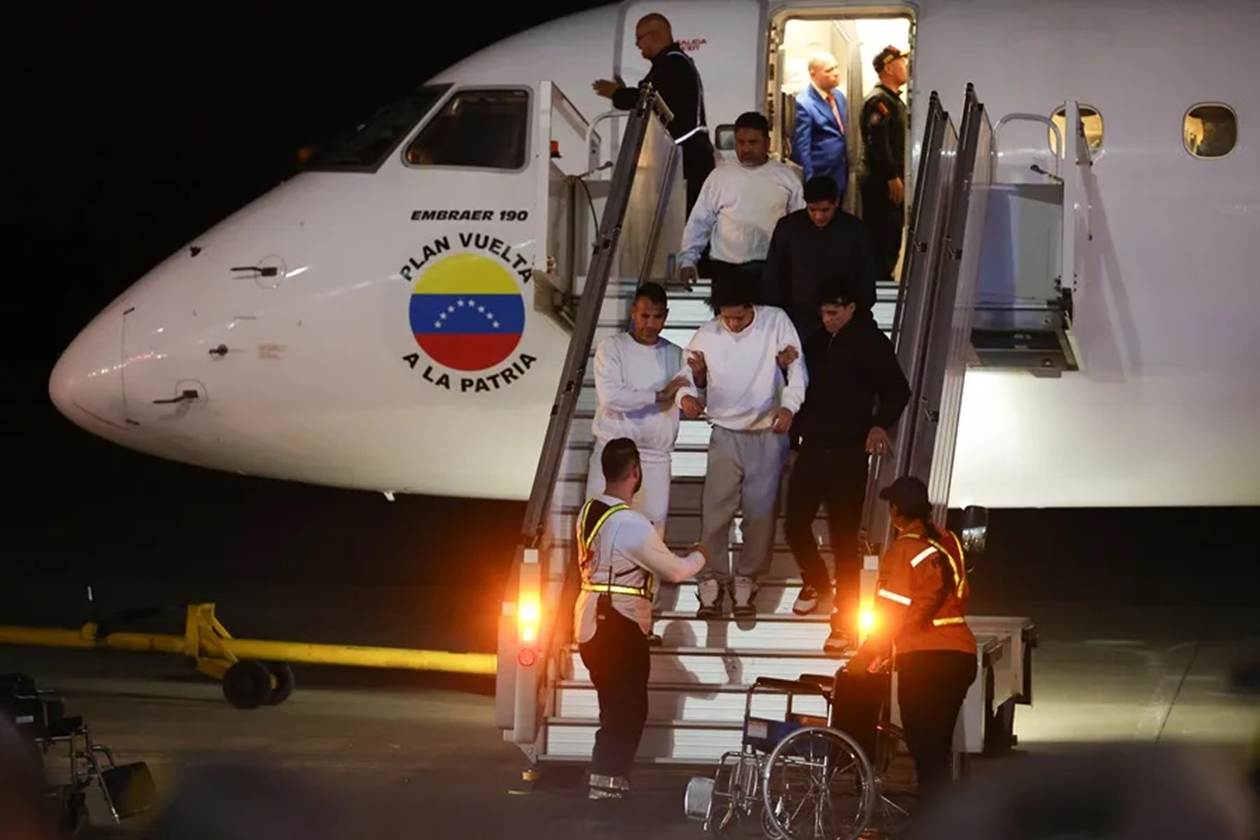
Latin Americans make up roughly half of all migrants in the United States, but more than 90% of those deported, a pattern that long predates Trump yet now carries a sharper edge. He launched his 2015 campaign by linking migration from Mexico to drugs, rape, and crime; nearly ten years later, as DW recalls, he repeats the script, now alleging without evidence that Venezuela's government has emptied prisons to send criminals north. Policy follows rhetoric: temporary protections for about 600,000 Venezuelans allowed to live and work in the country have been revoked.
Security policy has followed the same logic. To justify airstrikes on boats allegedly carrying drugs in Latin American waters, Trump casts the United States as at war with terror groups. In 2025 alone, Washington has labeled 24 new entities as Foreign Terrorist Organizations (FTOs); 14 are Latin American cartels and gangs such as Mexico's Cartel de Sinaloa and Venezuela's Tren de Aragua. Before Trump, only eight groups from the region were ever designated, all left‑wing guerrillas like Peru's Sendero Luminoso and Colombia's Ejército de Liberación Nacional, DW notes.
That shift is not merely semantic. In an analysis for Foreign Policy cited by DW, scholars Tricia Bacon of American University and Daniel Byman of Georgetown University warn that redefining cartels as terrorists "switches the narrative from crime to terrorism," implying that states where they operate are "knowingly harboring terrorists." They stress that FTO status does not, in itself, authorize military force, even if the label helps justify airstrikes politically, and caution that it risks sharpening diplomatic tensions with governments the United States still needs as partners.
Tariffs, Loans, And Carriers In The Hemisphere's Marketplace
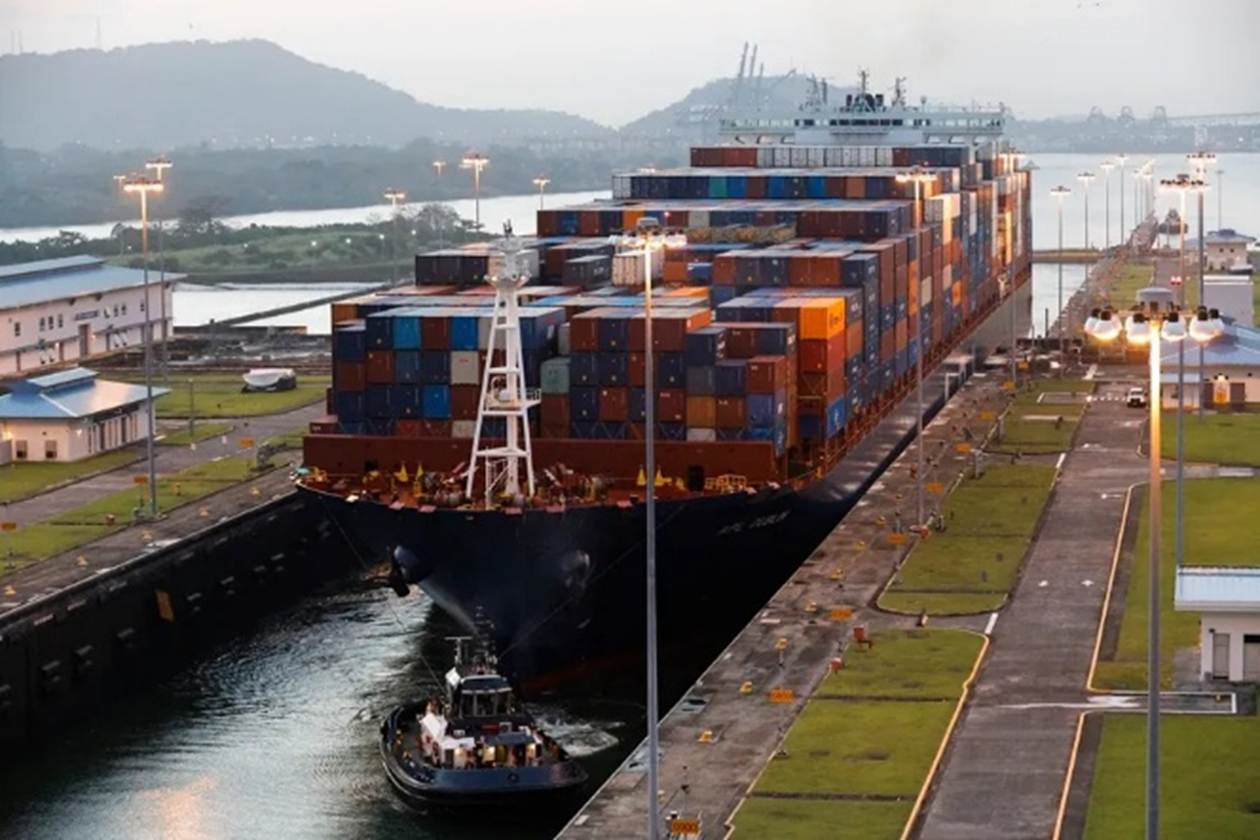
Economic pressure runs in parallel. DW recalls that Trump began his presidency by vowing to "retake" the Panama Canal and rename the Gulf of Mexico the "Gulf of America”, gestures that sounded ominous in a region wary of US gunboat diplomacy. In August 2025, he went further, imposing steep tariffs on Brazilian imports in an unsuccessful bid to dissuade Brazil's Supreme Federal Court from convicting former president Jair Bolsonaro. Brazil now faces a 50% export levy, Mexico scrambles to avoid a threatened 25% tariff, and new charges on copper and steel hang over other economies.
The tools are both financial and commercial. As Argentina prepared for legislative elections in October 2025, Trump tied a $20 billion (€17.2 billion) loan to the success of President Javier Milei's far‑right coalition, a move some credit, in DW's reporting, with helping the bloc win the largest share of votes. At the same time, he dispatched the world's largest aircraft carrier to the Caribbean Sea, threatening Venezuela's strongman Nicolás Maduro and refusing to rule out an invasion. For many, the mix recalls Cold War‑era coups more than genuine partnership.
Yet the economic ground under this renewed assertiveness has shifted. Data from UN Comtrade, cited by DW, show that the United States is still Latin America's biggest trading partner but no longer dominant. In 2000, roughly 50% of the region's imports came from the United States; by 2024, that share had fallen to about 29%. On the export side, around 49% of Latin America's goods went north in 2000, compared with 45% today. Mexico remains tightly bound to the US market, while others look elsewhere.
Those numbers help explain the response's tone. When Brazilian President Luiz Inácio Lula da Silva reacted to the new tariff in July 2025 by saying, "We'll have to seek other partners to buy our products… If the United States doesn't want to buy, we will find someone who wants to," he was speaking not only to Washington but to domestic audiences tired of vulnerability. Researchers writing in journals such as World Development have traced how governments from Brazil to Chile have slowly diversified trade ties to reduce exactly this kind of leverage.
From the US side, officials insist the policy is overdue for a reality check. Secretary of State Marco Rubio argues that earlier administrations neglected their neighbors and that Trump is now working with governments to secure borders and deter what he calls a migrant invasion. "Some countries are cooperating with us enthusiastically, others, less so. The former will be rewarded," he wrote in a Wall Street Journal op‑ed in January 2025, quoted by DW, before touring Central America in February. "As for the latter, Mr. Trump has already shown that he is more than willing to use America's considerable leverage to protect our interests."
Seen from Latin America, the seven charts assembled by DW on migration, security, geopolitics, and trade are less an abstract exercise than a mirror of daily life. Each deportation table represents families weighing the US–Mexico border again; every tariff line hints at jobs gained or lost in São Paulo, Monterrey, or Rosario. The emerging Trump Corollary to the Monroe Doctrine will be judged not in strategy papers, but in those quiet decisions made far from Washington.
Also Read: Uruguay Flirts With Bukeleism While Defending Its Fragile Democratic Soul