Latinos in the U.S. and Their Struggle for Financial Stability
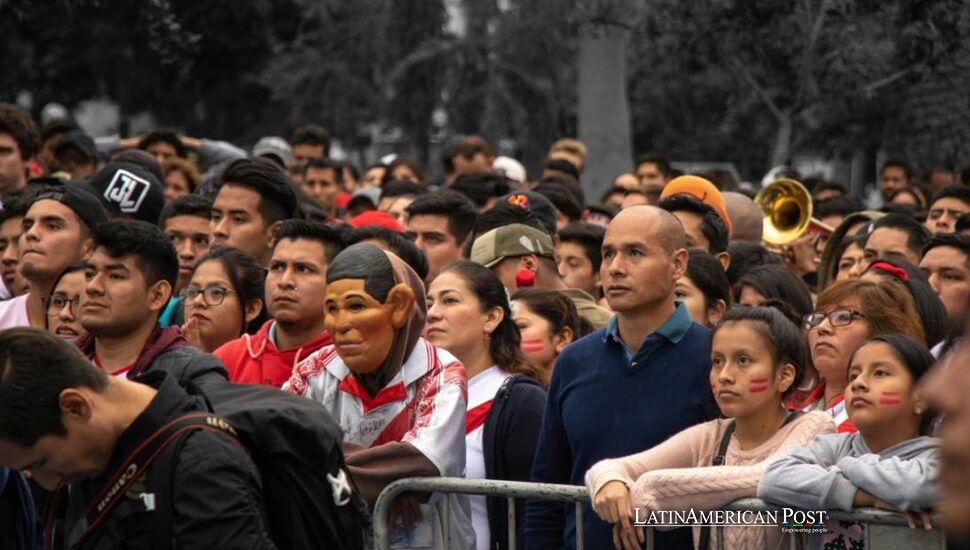
The Latino community has become a central pillar of the U.S. economy, contributing trillions annually and shaping diverse industries. Yet, despite their economic impact, many Latinos still face challenges that make them financially unstable. This article explores key challenges Latinos face and provides tips and strategies to help them boost their financial health.
Key Financial Challenges Latinos Face in the U.S.
Latino families confront a unique set of financial obstacles. The following factors contribute to an ongoing cycle of economic vulnerability:
Low Access to Credit
One of the most significant barriers Latinos face is limited access to affordable credit. According to a 2024 UnidosUS report, nearly 42% of Latino adults are classified as “credit invisible,” lacking a formal credit history needed to secure loans or favorable interest rates. Cultural preferences for cash transactions, barriers faced by immigrants in establishing credit, and stringent lending criteria from financial institutions exacerbate this issue.
Without access to traditional financing options, many Latinos resort to alternative lending sources, such as payday loans and rent-to-own schemes, that often have high fees and interest rates. This cycle restricts their ability to build credit or accumulate wealth over time.
Income Instability in Latino Households
Latino households tend to experience more income instability compared to other demographic groups. Many work in service-oriented, low-wage jobs without benefits such as paid leave or health insurance. The Pew Research Center reported that Latino workers were disproportionately affected during the COVID-19 pandemic, with about 49% experiencing job loss or reduced hours, compared to 22% of White workers.
Alongside job insecurity, obligations to support extended family members both in the U.S. and abroad often place additional financial pressure on Latino households. According to a 2025 Latino Prosperity Report, only 35% of Latino households have adequate emergency savings to cover three months of expenses, leaving many financially vulnerable to unexpected costs.
Distrust and Disparities in Financial Services
Financial institutions have often failed to serve Latino communities equitably. Language barriers, concerns over immigration status, and prior negative experiences create widespread reluctance to engage with banks. About 8.4% of Latino households remain unbanked, meaning they do not have a checking or savings account, compared to only 1.7% of non-Hispanic White households. When asked why they are unbanked, 13.2% cited distrust in banks.
This lack of traditional banking access drives reliance on check cashers and money transfer services with higher fees, perpetuating financial exclusion and hindering wealth accumulation.
Official Statistics: The Latino Financial Landscape
Understanding the scope of these challenges requires looking at concrete data points that illustrate the financial realities for Latino families in the U.S.
- Latinos comprise nearly 20% of the U.S. population and contributed approximately $1.6 trillion to the nation’s GDP in 2023.
- The homeownership rate among Latinos is approximately 49%, markedly lower than the national average of 65%, underscoring a significant wealth-building gap.
- Latino homeowners typically hold 28 times the wealth of Latino renters, highlighting homeownership as a critical path to financial stability.
- Latina women earn about 54 cents for every dollar earned by non-Hispanic white men, facing persistent wage inequities even when controlling for education and experience.
- Nearly 36% of Latinas report delaying purchasing a home or obtaining further education due to existing debt burdens.
- Emergency savings are insufficient for many; approximately 35% of Latino households lack funds to cover three months of expenses in case of income loss.
The Growing Role of Digital Financial Tools
Digital financial technology is rapidly reshaping how Latinos manage money and access financial services. Increased smartphone penetration and internet accessibility have enabled a shift towards mobile and online banking platforms, especially for younger and bilingual users. Online tools for short-term borrowing have become particularly popular, providing alternatives to costly payday loans. Apps offering small, quick loans with transparent fees have become critical for many seeking to manage cash flow gaps without falling into usurious debt cycles.
Benefits of Digital Financial Tools
Digital tools provide Latinos with the financial solutions they need while staying overlooked by traditional institutions. Here are several benefits of using them:
- Accessible services to individuals with limited or no credit history.
- Spanish customer support and interfaces that improve usability for Latino users.
- Low-cost or no-fee checking, savings accounts, and remittance services, which reduce reliance on expensive cash services.
- Financial education resources embedded in apps empower users to build credit and manage their budgets effectively.
Considerations and Risks
Besides the advantages, digital tools also come with certain risks Latinos should be aware of:
- High interest rates charged by many short-term borrowing platforms make it essential for users to review the terms carefully.
- Uneven regulation due to the relative novelty of fintech potentially exposes users to fraud or insufficient consumer protections.
- Digital literacy challenges among older or first-generation immigrants limit the effective use of these tools.
- Privacy and cybersecurity concerns involve safety risks for users sharing sensitive financial data.
Effective Strategies Toward Financial Stability
Improving financial stability for Latino families requires a combined effort at the individual, community, and policy levels.
Here are some smart steps Latinos can take at the individual and family levels:
- Establish credit using secured credit cards or credit-builder loan products to build a positive financial history.
- Select trustworthy digital platforms with clear fees and bilingual support for better financial management capabilities.
- Build emergency savings pools, even incrementally, to have a nest egg to turn to when finances fall short.
- Use free community resources, such as bilingual financial counseling, to improve knowledge and access.
On a broader scale, policymakers should focus on:
- Expanding access to affordable banking services in Latino neighborhoods, including incentivizing community banking.
- Strengthening consumer protections for online lenders and fintech companies, especially those involved in short-term borrowing.
- Integrating culturally sensitive financial education into schools and adult learning programs, with materials in Spanish and English.
- Advocating for wage equity, better labor protections, and health care access to reduce economic precarity.
Final thought
Latino families in the U.S. face deep financial challenges that affect their overall standard of living. Official data highlight the significant gaps in wealth accumulation, homeownership, and economic security faced by Latinos today.
The expanding ecosystem of digital financial services provides promising ways to overcome some of these barriers. Still, targeted policies, education, and consumer protections are essential to ensure these tools benefit the community fully.
With combined efforts incorporating technology, education, and equitable access, Latinos can move closer to sustainable financial stability and economic prosperity.