Cuba’s Fuel Shortage Impacts Markets Where Tomatoes Influence Prices
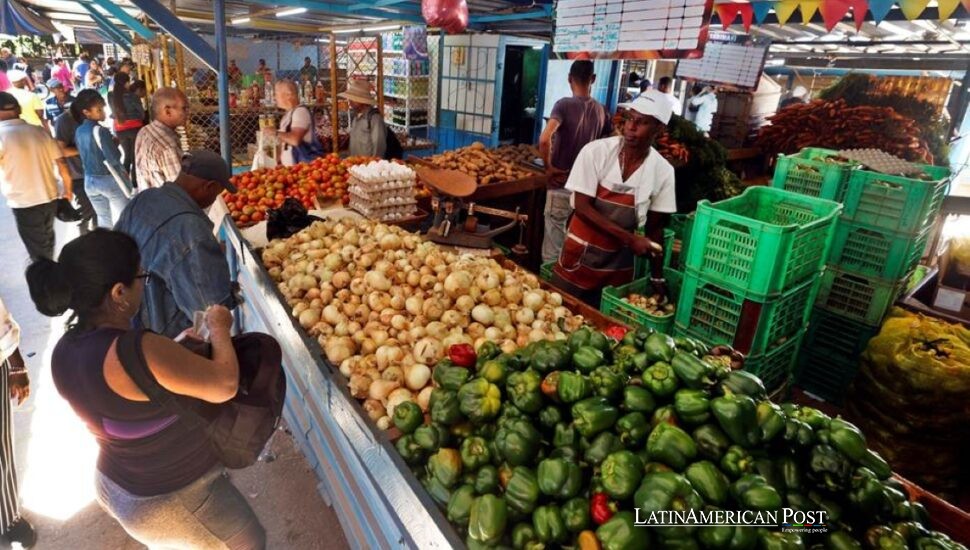
In Havana, a forty-five-minute walk has replaced bus rides due to Cuba’s fuel rationing. Farmers’ markets remain open, but deliveries have decreased, and prices fluctuate with the informal dollar. Residents adapt, uncertain which shortages will emerge next.
Walking to Work and Selling Available Goods
Norbys leaves home early and walks about forty-five minutes to the agricultural market where he works in Playa, north of the capital. Transport, he says, has become too scarce and too expensive to count on.
At his stall, the same issue persists. “Items are missing because they cannot arrive due to fuel rationing,” he told EFE. Customers indicate shortages and mention what they intended to purchase. “Some say, ‘Damn, we’re missing this or that,'” he added. “But what can we do? We bring what we can.”
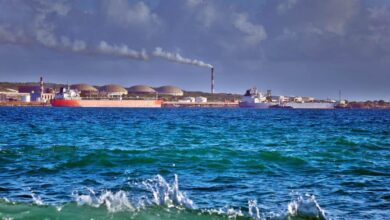
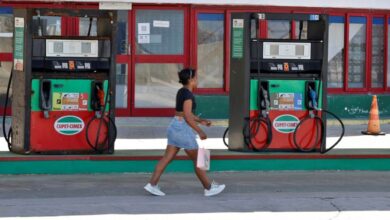
Fuel scarcity, tied to U.S. pressure on Cuba’s oil supply, is starting to reach the island’s traditional agromarkets. It is not yet described as an uncontrolled food shortage, but it is already changing the route from farms to city stalls. The trouble is that when moving goods becomes harder, prices do not need to surge everywhere to feel higher. They rise right where people decide what to leave behind.
There is also a quieter form of damage: transport, with black-market gasoline described as exorbitant, makes fruits and vegetables even more expensive. Those foods were already beyond the reach of most people before the current squeeze. Now, this new turn tightens battered household budgets again, and it shows up in smaller purchases and longer walks.
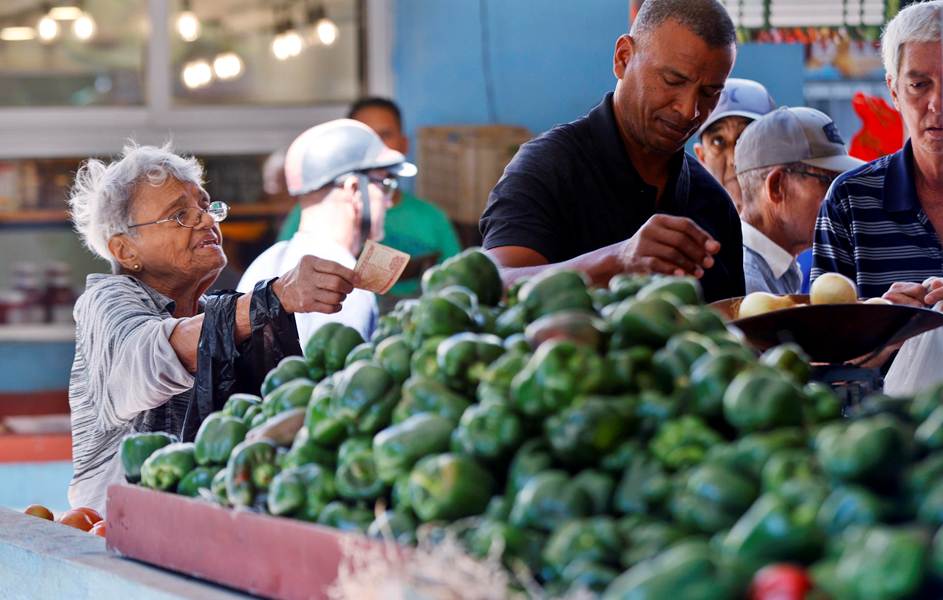
In Vedado, Reinel steps back onto the street with a plastic bag containing tomatoes, sweet peppers, and potatoes. He has also come on foot, and he has bought only what is necessary. The bag is light. Shopping turns into careful arithmetic when the wallet is already strained.
Dollar Fluctuations and the Expanding Black Market
Reinel, 58, says the cost of moving goods is only part of the problem. The other part is the dollar, which sets the price rhythm in the informal market. The U.S. dollar broke above five hundred pesos per unit on Feb. eleven.
“If the dollar goes up, all prices go up,” he told EFE. “Imagine. The dollar is scarce, too. Whoever has to buy has to buy the more expensive dollar. Everything has gone up. Even bread is more expensive,” he told EFE.
Currently, residents of the capital do not anticipate that the energy shortage will inevitably lead to empty markets. Their concern centers on increased competition and a deeper reliance on the informal economy as fuel rationing continues and black market gasoline prices remain exorbitant. Although supply may appear more available in this sector, conditions are more challenging, and benefits accrue to fewer individuals.
Fruits and vegetables, which were already unaffordable for many before the current crisis, have become symbols of the new economic reality households face. A light shopping bag conveys this message.
Contingency Plans and International Assistance
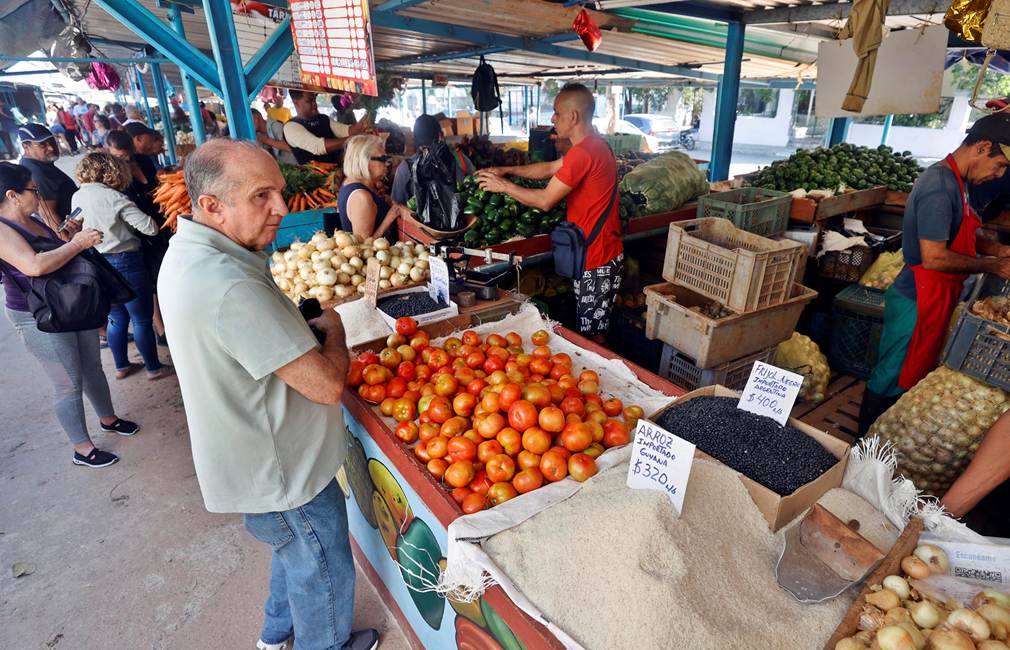
In an urban park north of Havana, José Javier Mosquera of the private company Petricor, which sells fruits and vegetables from a network of local farmers, looks at fuel and sees a chain reaction. He believes all of his products could be affected if the shortage persists.
“It is logical that, over time, as the fuel shortage persists, food transported from outside the capital will become either more expensive or scarce,” he told EFE. “One consequence will lead to another. For now, we are utilizing transport methods that do not require fuel for our home delivery services,” he added.
His perspective aligns with the broader context: U.S. pressure is gradually slowing an economy already fragile after six years of severe crisis, characterized by shortages of basic goods such as food, fuel, and medicines; high inflation amid economic decline; dollarization; prolonged daily blackouts; and significant migration.
The Cuban government has implemented a stringent contingency plan that has reduced public services to minimum levels and intensified fuel rationing. It has also suspended in-person university classes, introduced telework, and imposed restricted hours in state offices. These policies reduce daily activity, resulting in fewer trips, longer waits, and increased walking. Although the city is in Playa, another vendor, Maykel, focuses more on immediate concerns than on theory. “If customers become scarce,” he told EFE, “it affects us significantly. One must struggle hard to maintain the household,” he added. ” Fight hard to keep the house,” he told EF. On Monday, Spain announced it would send food and hygiene products to Cuba. On Tuesday, Mexico confirmed a new humanitarian aid package, including food and other supplies, following a previous shipment that arrived in Havana last week.
The day still begins as it did for Norbys: walking, arriving, and selling whatever goods are available. Currently in Cuba, limited mobility is the primary shortage, with all other challenges stemming from it.
Also Read: Cuba’s Tourism Engine Sputters as Fuel Shortages Darken Daily Life